

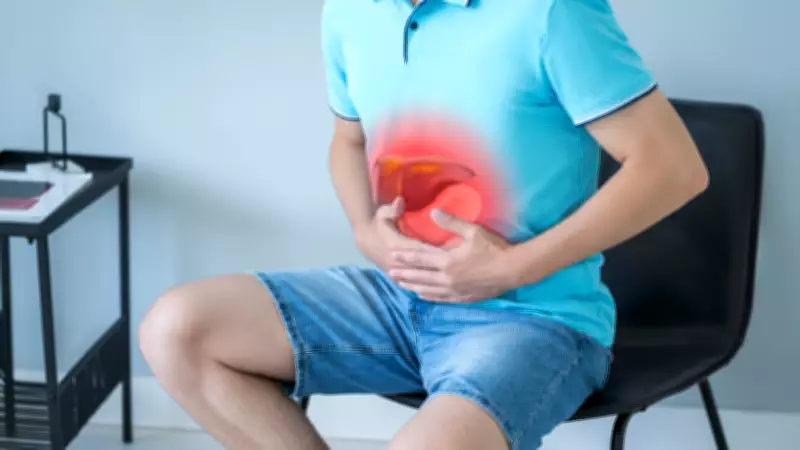
Fatty Liver on Ultrasound? Doctors Explain Diagnosis and Reversal Steps
Discovering the term "fatty liver" on an ultrasound report can be a source of significant concern and anxiety for many individuals. This condition, medically known as MASLD (Metabolic dysfunction-associated steatotic liver disease), indicates an abnormal accumulation of fat within liver cells. It is a condition that can affect a wide range of people, including young adults, older individuals, those with diabetes, and even individuals who maintain a normal body weight. Often, fatty liver presents no noticeable symptoms, making its detection through imaging a crucial wake-up call. The encouraging news from medical experts is that early-stage fatty liver is not necessarily permanent. With timely and appropriate intervention, it is possible to slow its progression, halt further damage, and in many cases, reverse the condition entirely. This comprehensive guide delves into what a fatty liver diagnosis entails and outlines the actionable steps recommended by healthcare professionals.
Understanding What "Fatty Liver" Truly Means
A scan result indicating fatty liver does not automatically equate to severe or irreversible liver disease. In clinical terms, it signifies that fat constitutes more than 5% of the liver's tissue. This accumulation is most commonly linked to metabolic dysfunctions such as excess body weight, insulin resistance, elevated blood lipid levels, or poor dietary habits, rather than alcohol consumption. If left unaddressed over an extended period, this excess fat can lead to inflammation, scarring (known as fibrosis), and ultimately, a decline in liver function.
Visualize the liver as a highly efficient factory. When excessive fat builds up, it can cause the liver's operational machinery to become sluggish and less effective. The primary objective following a diagnosis is to reduce this fat burden and safeguard the liver's functionality before any permanent structural damage occurs.

Expert Insights: Demystifying the Diagnosis
Dr. Apurva Pande, Additional Director and Head of the Department of Gastroenterology & Hepatology at Yatharth Hospital Model Town in New Delhi, addresses the common panic associated with this finding. "When an ultrasound scan mentions fatty liver, it can sound alarming to many, but in most cases, it is reversible. Upon receiving this diagnosis, one should not panic. It simply indicates that liver cells have accumulated excess fat, commonly observed in individuals who are overweight, obese, diabetic, have high serum cholesterol levels, lead a sedentary lifestyle, or consume excessive alcohol," explains Dr. Pande. She further clarifies that the two primary classifications are non-alcoholic fatty liver disease (NAFLD) and alcoholic fatty liver disease.
Initial Response: A Calm and Informed Approach
Receiving a fatty liver diagnosis can naturally provoke anxiety. However, specialists strongly advocate for a composed and methodical start:
- Educate Yourself Calmly: Take time to understand the diagnosis without fear. This knowledge helps shift focus from worry to constructive action.
- Consult Your Doctor: Discuss your specific lab results, any available fibrosis scores, and associated risk factors like high blood fats or diabetes.
- Screen for Related Conditions: Fatty liver often coexists with other issues such as obesity, type 2 diabetes, hypertension, or high cholesterol, which are critical to manage simultaneously.
The key message from medical teams is that while fatty liver is increasingly common, it is also highly manageable with the right strategies.
Addressing the Root Cause: Effective Lifestyle Modifications
Robust scientific evidence supports that lifestyle interventions can significantly enhance liver health and even reverse fatty liver. A study published in the Journal of Hepatology demonstrates that structured diet and exercise regimens improve liver activity scores and reduce both fat content and inflammation over time.

Dr. Pande emphasizes that lifestyle changes are the cornerstone of early treatment. "Early stages of fatty liver are usually reversible with lifestyle modifications. Overweight individuals should aim to lose excess weight through exercise and dietary adjustments to achieve a healthy body weight. Diabetics must ensure their blood sugar levels are well-controlled. Those with high serum cholesterol or triglyceride levels should take appropriate medications after consultation. Individuals who consume excessive alcohol should restrict their intake, as alcohol is not advisable for a healthy liver," she advises.
She also notes that medical evaluation may be necessary in certain scenarios: "Consult a gastroenterologist or hepatologist if there are other associated problems. Common recommended tests include a liver function test, which helps determine the severity of the underlying liver disease. One of the most critical aspects in managing fatty liver disease is weight reduction."
Key Actionable Steps for Reversal
- Weight Loss: This is paramount. Losing just 5% of body weight can reduce liver fat, while a 7% to 10% loss can help improve fibrosis and inflammation.
- Adopt a Mediterranean-Style Diet: Increase intake of whole grains, vegetables, lean proteins, and healthy fats while reducing processed foods, sugars, and refined carbohydrates.
- Regular Physical Activity: Aim for 150-300 minutes of moderate exercise per week. Activities like walking, cycling, or vigorous workouts enhance insulin sensitivity and decrease liver fat.
- Avoid Alcohol and Liver Toxins: Alcohol places additional strain on the liver; even minimal consumption can exacerbate fat accumulation.
- Manage Comorbid Conditions: Control blood sugar, triglycerides, and blood pressure through diet, exercise, and medications as prescribed.
These steps require consistency and patience, as improvements build measurably over time rather than overnight.
Holistic Liver Protection Beyond the Scan
While scans reveal fat accumulation, overall liver health is influenced by daily choices:
- Supplement Caution: Some herbal and over-the-counter supplements can harm the liver. Always consult a physician before use.
- Potential Benefits of Caffeine: Some research suggests regular consumption of black coffee may be associated with lower liver fat and reduced inflammation, though it should complement, not replace, other interventions.
- Vaccinations: Inquire about hepatitis A and B vaccines to protect the liver from additional viral damage.
Building Sustainable Habits Through Small Changes
Major lifestyle overhauls can be daunting. Implementing small, daily habits that accumulate over time can lead to sustainable change:
- Replace sugary drinks with water or unsweetened tea.
- Include vegetables in every meal.
- Take short walks after meals to aid glucose metabolism.
- Maintain a log of dietary intake and physical activity to foster awareness and accountability.
When Lifestyle Alone Isn't Enough
For early-stage fatty liver, lifestyle modifications are the primary focus. However, in cases with advanced inflammation or scarring:
- Certain medications may be prescribed under specialist supervision.
- Close monitoring and repeated imaging might be necessary.
- In rare, advanced instances, a liver transplant could become the only viable option.
This underscores the importance of early action to prevent progression to advanced fibrosis, where outcomes are most favorable.
Acknowledging the Emotional Journey
A fatty liver diagnosis can feel like a pivotal moment, often accompanied by feelings of overwhelm, confusion, or uncertainty. Many individuals find motivation in celebrating gradual progress rather than striving for perfection. Real-world success stories demonstrate that long-term commitment to lifestyle changes can normalize liver test results and imaging findings over time, even in previously severe cases. Medical guidance and personal perseverance are key to navigating this health challenge effectively.





