

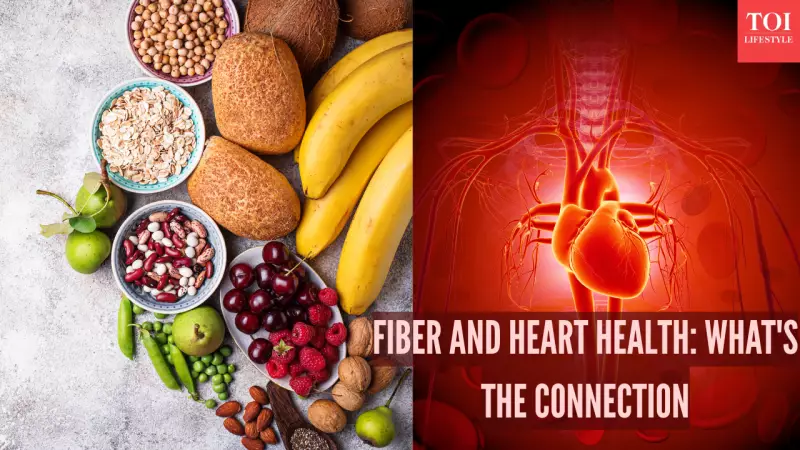
For most people, the word 'fiber' brings to mind digestive health and relief from constipation. However, this humble nutrient is a silent powerhouse working tirelessly beyond the gut, playing a critical role in safeguarding your heart. Emerging medical insights position fiber not just as a dietary add-on but as a vital component in preventing heart attacks, managing blood pressure, and supporting heart failure treatment.
The Cardiac Connection: How Fiber Protects Your Heart
Cardiologist Dr. Dimitry Yaranov sheds light on fiber's profound impact on cardiovascular health. Dietary fiber slows the rate at which sugar from food enters the bloodstream. This action prevents large insulin spikes that, over time, can cause significant damage to blood vessels. Furthermore, fiber actively helps lower LDL cholesterol and triglyceride levels, reducing the amount of 'bad' cholesterol available to form artery-clogging plaque.
Dr. Yaranov emphasizes that, over years, this dual effect results in fewer blocked arteries, improved blood pressure readings, and lower rates of heart disease and premature death among consistent high-fiber consumers.

For individuals already diagnosed with conditions like high blood pressure, diabetes, or heart failure, increasing fiber intake has demonstrated measurable benefits. Studies show it can lower both systolic and diastolic blood pressure while improving fasting glucose and insulin levels. These improvements may seem minor individually, but across millions of heartbeats daily, they translate to reduced mechanical stress on the heart muscle and less injury to the delicate lining of blood vessels.
The Inner Workings: Fiber's Mechanism in the Body
Once consumed, fiber soaks up water in the gut, forming a gel-like substance. This gel slows down digestion and the absorption of sugars, leading to a steadier release of glucose. Consequently, the pancreas doesn't need to secrete large bursts of insulin after meals, offering protection against insulin resistance and metabolic syndrome. In the long term, this process significantly reduces the risk of type 2 diabetes, a major driver of heart attacks and heart failure.
Another crucial process involves gut bacteria fermenting some fibers into short-chain fatty acids. These compounds possess potent anti-inflammatory and cholesterol-lowering properties. They help calm and increase the flexibility of the endothelium—the inner lining of arteries—allowing it to handle blood flow changes without damage. Less chronic inflammation and healthier vessel walls collectively lower the chance of a small plaque rupture triggering a sudden heart attack.
Evidence and Practical Advice for Heart Patients
Large-scale population studies consistently show that people who habitually consume more fiber experience fewer heart attacks, strokes, and cardiovascular deaths compared to those with low intake. The benefits are accessible; a relatively modest increase of about 10 grams of fiber per day can reduce cardiovascular risk by approximately 10 to 15 percent. These protective effects persist even after accounting for medications, indicating fiber offers unique benefits beyond what pills alone can achieve.
However, a critical caution exists for those on medication. The same gel-forming property that makes fiber beneficial can also trap certain drugs in the gut, reducing their absorption. This interaction is particularly important for medications like digoxin (used in heart failure) and others with a narrow therapeutic window. Experts widely recommend taking fiber supplements at least a couple of hours apart from prescription heart medicines to ensure proper drug absorption while still gaining fiber's long-term health benefits.
For most people, the safest approach is to focus on whole food sources first. Excellent choices include oats, beans, lentils, vegetables, fruits with skin, nuts, and seeds. It's advisable to increase fiber intake gradually and drink plenty of water to allow the gut to adapt and minimize bloating. If you are on medication for heart failure, blood pressure, arrhythmia, or blood thinning, consult your cardiologist or pharmacist before starting any new supplement to agree on a safe timing schedule.

The overarching message is clear: a strong communication line exists between the gut and the heart, with fiber being a primary language. Regularly including fiber in your diet helps guide blood sugar, cholesterol, and blood pressure in a healthier direction, ultimately reducing the workload for both your heart and your medications.





