

Your First Blood Donation: A Simple Guide to Getting Started
Have you ever considered donating blood but felt unsure about how to begin? Many people hesitate because they lack clear information. This guide aims to change that by providing a straightforward overview for first-time donors. We will cover everything from the surprising health perks to the basic rules you need to know.
Why Donating Blood Is Good for You
Giving blood does more than just help others in need. It offers tangible benefits for your own health too. The process can give you a sense of personal satisfaction and community connection. On a physical level, regular donation may help maintain healthy iron levels in your body. Some studies suggest it could support cardiovascular wellness. Donors often report feeling a positive emotional boost after contributing to a lifesaving cause.
Who Can Donate Blood? Key Eligibility Points
Before you visit a donation center, check these common eligibility requirements. You must generally be between 18 and 65 years old. Your weight should be at least 45 kilograms. A minimum hemoglobin level is required, which staff will test. You need to be in good general health without active infections. Certain medical conditions or recent procedures might require a waiting period. Always disclose your full medical history honestly during the screening.

What to Expect During Your First Donation
The donation process is simple and typically takes about an hour from start to finish. Here is a basic step-by-step breakdown:
- Registration: You will provide some basic personal details.
- Health Screening: A quick check of your vitals and hemoglobin level.
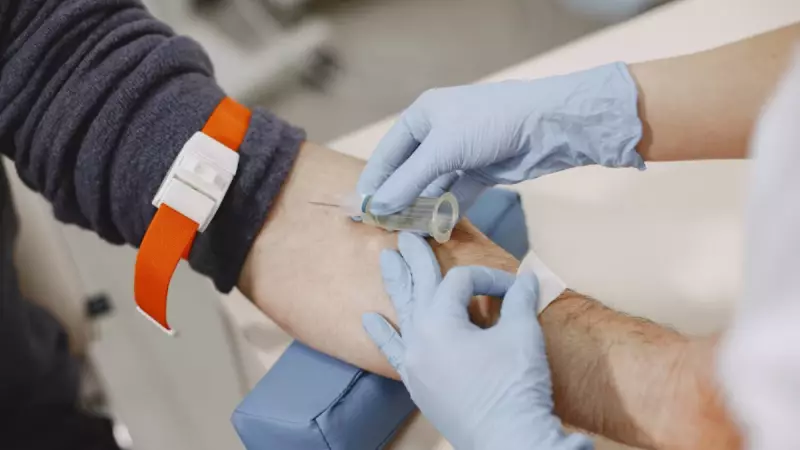
- The Donation: A sterile needle collects one unit of blood, which takes around 10 minutes.
- Recovery: You rest briefly and have a light snack to replenish your energy.
Medical professionals supervise the entire procedure to ensure your safety and comfort.
Preparing for Your Donation Day
A little preparation can make your first donation experience smooth and positive. Eat a healthy meal a few hours before your appointment. Drink plenty of water or fluids. Avoid fatty foods right before donating. Wear comfortable clothing with sleeves you can easily roll up. Get a good night's sleep. Bring a form of identification, such as an Aadhaar card or driver's license.
After You Donate: Recovery and Next Steps
Take care of yourself after donating to ensure a quick recovery. Drink extra fluids for the next 24 to 48 hours. Avoid strenuous exercise or heavy lifting for the rest of the day. Keep the bandage on for a few hours. If you feel lightheaded, sit down and rest. You can typically donate again after a waiting period, which is usually 56 days for whole blood donation. Your body replenishes the donated blood volume quickly.
Donating blood for the first time is a noble and rewarding act. By understanding the benefits and following the eligibility guidelines, you can contribute safely to saving lives. Your single donation can potentially help up to three different patients. Take that first step today and become a part of this vital community service.






