

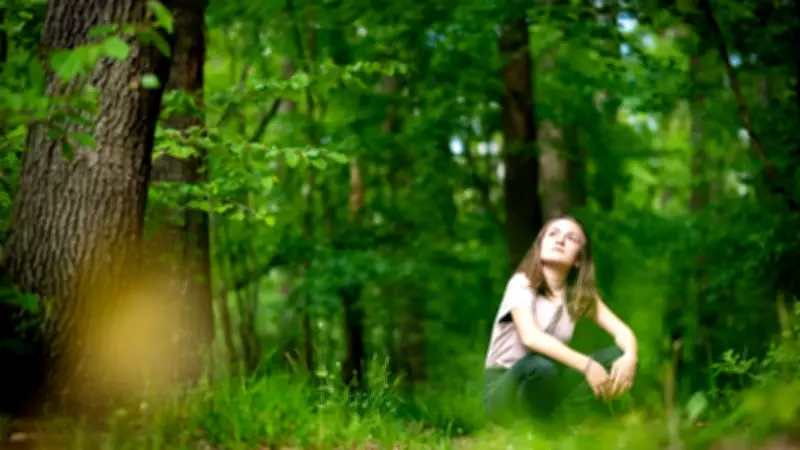
Discover the Healing Power of Forest Bathing: A Guide to Nature Immersion
In today's fast-paced world, finding moments of peace and rejuvenation has become essential for maintaining mental and physical health. One practice that has gained global recognition for its profound benefits is forest bathing, also known as Shinrin-yoku in Japanese. Originating in Japan in the 1980s, this therapeutic technique involves immersing oneself in a forest environment to connect with nature through all senses. Unlike traditional hiking or outdoor activities, forest bathing emphasizes slow, mindful presence, allowing individuals to absorb the natural surroundings without the pressure of exercise or destination goals.
The Science Behind Forest Bathing and Its Health Benefits
Research has shown that forest bathing offers a multitude of health advantages, making it more than just a leisurely walk in the woods. Studies conducted in Japan and other countries highlight how this practice can significantly reduce stress levels by lowering cortisol, the body's primary stress hormone. Additionally, spending time in forests has been linked to:
- Improved Immune Function: Exposure to phytoncides, natural oils released by trees, can enhance the activity of natural killer cells, which play a crucial role in fighting infections and diseases.
- Enhanced Mental Well-being: Forest environments promote relaxation, reduce symptoms of anxiety and depression, and improve mood through the calming effects of nature sounds and scents.
- Better Cardiovascular Health: Regular forest bathing may help lower blood pressure and heart rate, contributing to overall heart health.
- Increased Focus and Creativity: By disconnecting from digital distractions, individuals often experience improved concentration and creative thinking.
These benefits make forest bathing an appealing option for travelers seeking meaningful and restorative experiences, as well as for anyone looking to incorporate wellness into their daily routine.

How to Practice Forest Bathing for an Enriching Travel Experience
To fully embrace forest bathing, it's important to approach it with intention and mindfulness. Here are some practical steps to get started, whether you're exploring a local park or venturing into a dense forest during your travels:
- Choose a Natural Setting: Select a forested area with minimal human interference, such as a national park, nature reserve, or even a quiet wooded trail. The key is to find a place where you can feel surrounded by trees and natural elements.
- Engage All Your Senses: Slow down and focus on what you see, hear, smell, touch, and even taste. Notice the colors of the leaves, the sound of rustling branches, the earthy scent of soil, the texture of tree bark, and the fresh air.
- Practice Mindfulness: Leave behind distractions like smartphones and cameras. Instead, be present in the moment, taking deep breaths and allowing yourself to simply exist in the forest without any agenda.
- Spend Ample Time: Aim for at least two hours of immersion to allow your body and mind to fully absorb the benefits. Research suggests that longer sessions can lead to more significant health improvements.
- Reflect and Journal: After your forest bathing session, take a few moments to reflect on your experience. Writing down your thoughts and feelings can deepen the therapeutic effects and help you integrate the practice into your lifestyle.
By incorporating these techniques, travelers can transform their journeys into opportunities for holistic wellness, making forest bathing a valuable addition to any itinerary focused on health and relaxation.
Forest Bathing in India: Opportunities and Growing Popularity
In India, the concept of forest bathing is gradually gaining traction as people become more aware of its benefits. With diverse landscapes ranging from the lush Western Ghats to the serene Himalayan forests, the country offers numerous ideal locations for this practice. Destinations like:

- Kerala's Periyar Wildlife Sanctuary provide rich biodiversity for immersive nature experiences.
- Himachal Pradesh's Great Himalayan National Park offers tranquil settings amidst towering trees and fresh mountain air.
- Madhya Pradesh's Kanha National Park allows for deep connections with wildlife and forest ecosystems.
These spots are increasingly being promoted for wellness tourism, aligning with global trends that prioritize mental and physical health. As more Indians seek alternatives to conventional travel, forest bathing presents a sustainable and enriching way to explore nature while nurturing well-being.
In conclusion, forest bathing is more than just a trend; it's a scientifically backed practice that fosters a deeper connection with nature and promotes overall wellness. Whether you're a seasoned traveler or someone looking to enhance your daily life, embracing Shinrin-yoku can lead to reduced stress, improved health, and a renewed appreciation for the natural world. By integrating this mindful approach into your routines, you can unlock the transformative power of forests for a truly good travel experience.





