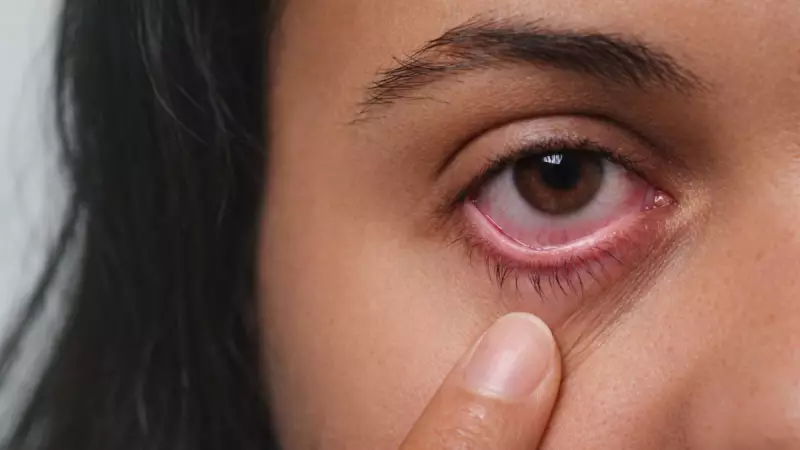
Glaucoma No Longer Just an Older Adult's Disease
Many people think glaucoma only affects the elderly. This common eye condition causes damage to the optic nerve. It often leads to vision loss if not treated. However, recent trends show a worrying shift. More young adults are now developing glaucoma. This change is catching the attention of eye specialists across India.
Why Are Young People at Risk?
Several factors contribute to this rise in cases among the young. High myopia, or severe nearsightedness, is a major risk factor. Young people today spend long hours on digital screens. This habit can strain their eyes and increase pressure inside the eye. Family history also plays a crucial role. If a parent or sibling has glaucoma, the risk is higher.
Other health conditions add to the danger. Diabetes and hypertension are becoming more common in younger populations. These diseases can affect eye health. Certain medications, like steroids, might also elevate eye pressure. Lifestyle choices matter too. Poor diet and lack of exercise can impact overall eye wellness.

Symptoms Often Go Unnoticed
Glaucoma is often called the "silent thief of sight." It usually shows no early symptoms. Many young people do not realize they have it until vision loss occurs. Regular eye check-ups are essential. An eye doctor can measure intraocular pressure. They can also examine the optic nerve for damage.
Some people might experience subtle signs. These include blurred vision or seeing halos around lights. Eye pain or redness can sometimes occur. However, these symptoms are not always present. This makes proactive screening even more important.
Prevention and Early Detection Strategies
Doctors emphasize the need for awareness among young adults. Simple steps can help reduce risk. Taking regular breaks from screens is beneficial. Following the 20-20-20 rule helps. Every 20 minutes, look at something 20 feet away for 20 seconds.
Maintaining a healthy lifestyle supports eye health. Eating a balanced diet rich in antioxidants is good. Regular physical activity improves blood flow to the eyes. Managing stress is also important. High stress levels can affect eye pressure.
Annual comprehensive eye exams are crucial. These exams can detect glaucoma early. Early treatment can prevent significant vision loss. Treatments include eye drops, laser therapy, or surgery. The goal is to lower eye pressure and protect the optic nerve.
Expert Advice for the Younger Generation
Eye specialists urge young people not to ignore their eye health. Dr. Anjali Sharma, a leading ophthalmologist, shares her thoughts. "We are seeing more patients in their 30s and 40s with glaucoma. This is a concerning trend. Young adults must prioritize regular eye check-ups."
She highlights the importance of family history. "If glaucoma runs in your family, start screenings early. Do not wait for symptoms to appear." Public health campaigns are also raising awareness. They aim to educate people about the risks and prevention methods.
Glaucoma might seem like a distant concern for the young. However, the rising cases tell a different story. Taking proactive steps today can safeguard vision for the future. Eye health deserves attention at every age.