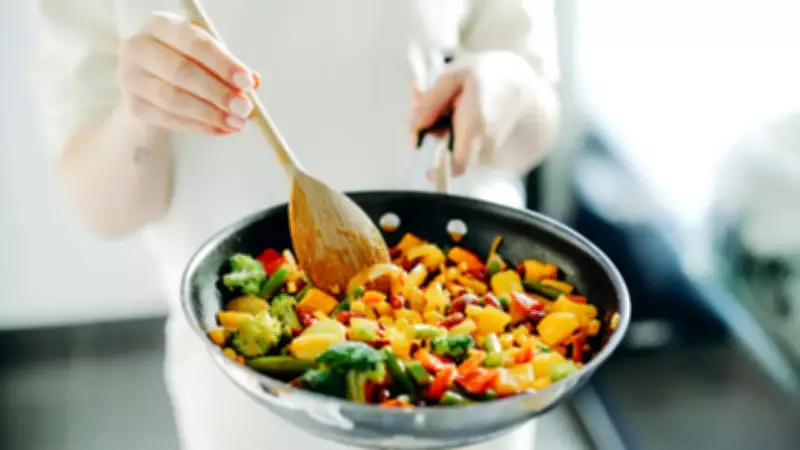
You can eat all the ‘healthy’ foods on this planet and yet not get the full nutritional benefit from them. Wondering why? Well, the real trick is in how you combine your food. “Some nutrients are absorbed better when paired with the right foods. Others are harder to absorb on their own. So it’s not just what you eat. It’s how you combine it,” Dr Saurabh Sethi, a leading gastroenterologist trained at Harvard and Stanford, based in California, said in a recent newsletter. Here are some of the best pairings the gastroenterologist recommends.
Mustard Seeds and Cruciferous Vegetables
When you have cruciferous vegetables such as broccoli, try sprinkling some mustard seeds. According to Dr Sethi, the enzyme myrosinase found in mustard seeds works synergistically with other cruciferous vegetables like broccoli, cabbage and cauliflower, supporting sulforaphane formation. This powerful compound is what makes cruciferous vegetables so nutritionally valuable.
Green Tea and Lemon
Add a few drops of freshly squeezed lemon juice when you make green tea. The catechins, which are the antioxidants found in green tea, become more stable and absorbable when paired with vitamin C from lemon.

Lentils and Citrus
Always add something citrus to your lentil salad. The plant-based iron, aka non-haem iron, found in lentils has poor absorption rates on its own. The vitamin C in citrus fruits like oranges, lemons or grapefruits significantly improves iron bioavailability.
Turmeric and Black Pepper
Turmeric and black pepper are a match made in heaven. The curcumin found in turmeric has potent anti-inflammatory and antioxidant benefits. But the absorption rate is poor when consumed alone. Instead, combine it with black pepper. The piperine in black pepper dramatically increases the bioavailability of curcumin. This is why most traditional curry recipes combine these spices.
Leafy Greens with Olive Oil or Avocado
Always drizzle some olive oil or add avocado slices when you are having leafy greens. Vitamins A, E and K are fat-soluble, meaning they require dietary fat for absorption. So, when you add olive oil or avocado, your body can really absorb the nutrients from your fancy kale salad.
Cooked Tomatoes and Olive Oil
There is certainly a reason why your nonna adds olive oil to pasta sauce. Tomatoes contain lycopene, the antioxidant that gives them their red colour. But it becomes more bioavailable through heat and fat. So, cooking tomatoes in olive oil for sauce or soup dramatically increases lycopene absorption compared to raw tomatoes alone.
Carrots with Ghee or Olive Oil
The next time you roast your carrots, add some ghee or olive oil. Beta-carotene is converted into vitamin A in your body, which is fat-soluble and requires dietary fat for proper absorption. So feel free to drizzle some olive oil or add some ghee. You will get both the flavour and nutritional benefits.
Yoghurt with Chia or Basil Seeds
It’s more than the texture or appeal. Adding chia or basil seeds to your yoghurt is beneficial for gut health. This practical combination provides both probiotics from yoghurt and fibre from chia seeds. “Most nutrients aren’t ‘wasted’ without pairing – but the right combinations can help your body use them more efficiently,” Dr Sethi concluded.