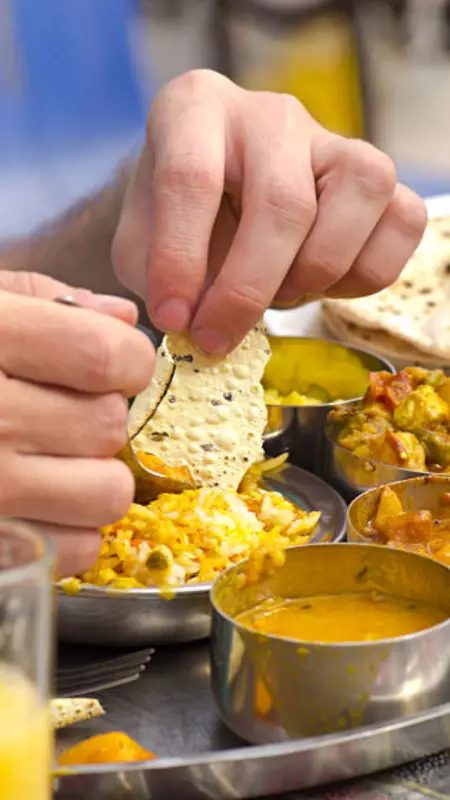
Navigating the vibrant and diverse landscape of Indian cuisine can be a delight for the senses, but when it comes to heart health, not all dishes are created equal. While our culinary heritage is rich with ingredients that are veritable superfoods for the cardiovascular system, it also includes some popular items that, when consumed excessively, can pose risks. Understanding this balance is key to enjoying the flavours of India while actively protecting your heart.
The Heart's Best Friends: Indian Superfoods to Embrace
Traditional Indian kitchens are treasure troves of ingredients that scientific research now confirms are excellent for heart health. These are not exotic imports but everyday items that have sustained generations.
Legumes and lentils, known as dals, form the cornerstone of a heart-protective diet. Options like moong dal (green gram), masoor dal (red lentils), and chana dal (split chickpeas) are packed with soluble fibre. This fibre plays a crucial role in binding to cholesterol in the digestive system and helping remove it from the body, thereby managing blood cholesterol levels effectively. They are also excellent sources of plant-based protein and magnesium, a mineral vital for maintaining healthy blood pressure.

No Indian spice rack is complete without turmeric (haldi), whose active compound curcumin is a potent anti-inflammatory agent. Chronic inflammation is a known contributor to atherosclerosis—the hardening and narrowing of arteries. Regular inclusion of turmeric in curries, dals, or even golden milk can help combat this inflammation. Similarly, garlic and ginger, foundational to Indian tempering (tadka), have been shown to support circulation and help manage cholesterol.
Don't forget the humble oats and whole grains like jowar (sorghum) and bajra (pearl millet). Swapping refined flour (maida) for these whole grains in rotis and breakfast items increases your intake of beta-glucan, a type of fibre proven to lower LDL (the 'bad') cholesterol. They provide sustained energy and keep you full longer, aiding in weight management—another critical factor for heart health.
Finally, fatty fish such as rohu and katla, commonly consumed in many coastal and regional cuisines, are rich in Omega-3 fatty acids. These essential fats are celebrated for their ability to reduce triglycerides, decrease the risk of arrhythmias, and slow the growth of arterial plaque. For vegetarians, seeds like flaxseeds (alsi) and chia seeds offer a plant-based source of these beneficial fats.
Proceed with Caution: Foods to Limit for a Healthy Heart
While indulgence is part of life's joy, being mindful of certain culinary culprits can make a significant difference to your long-term cardiovascular wellness.
At the top of the list are deep-fried snacks and sweets. Samosas, pakoras, jalebis, and gulab jamuns are often cooked in hydrogenated oils (vanaspati) or repeatedly used oil, becoming loaded with trans fats and saturated fats. These fats are notorious for raising LDL cholesterol and increasing inflammation, directly contributing to heart disease risk. Enjoy them as occasional treats rather than daily staples.
Processed and red meats featured in dishes like certain kebabs, sausages (salami), and rich curries also warrant caution. They are typically high in saturated fats and sodium. High sodium intake is a primary driver of hypertension (high blood pressure), a major risk factor for heart attacks and strokes. The preservatives in processed meats add another layer of concern.
Another hidden danger is the excessive use of salt (sodium) and sugar. Beyond the salt shaker, sodium lurks in pickles (achaar), papads, packaged sauces, and even some spice mixes. Excess sodium leads to fluid retention, increasing the pressure on blood vessel walls. Similarly, the high sugar content in many Indian sweets, sugary drinks, and even some 'healthy' drinks like packaged fruit juices can lead to weight gain, diabetes, and increased triglyceride levels—all enemies of a healthy heart.

Beware of coconut oil and ghee in excessive amounts. While ghee contains healthy fat-soluble vitamins and coconut oil has its proponents, they are both dense in saturated fats. The key, as with many things, is moderation. Using them sparingly for tempering or flavour is different from cooking all daily meals in large quantities of these fats.
Crafting a Heart-Smart Indian Diet Plan
The wisdom for a healthy heart lies not in extreme deprivation but in intelligent, balanced choices. You can still relish the depth of Indian flavours by making smart swaps and being mindful of portions.
Opt for cooking methods like grilling (tandoor), baking, steaming, or sautéing with minimal oil instead of deep-frying. Use a combination of heart-healthier oils like mustard oil, olive oil, or rice bran oil in moderation. Increase the proportion of vegetables in every meal—aim to fill half your plate with them. Season dishes with herbs and spices like coriander, mint, cinnamon, and cardamom to reduce reliance on salt.
Most importantly, view food as one part of a holistic approach. Regular physical activity, effective stress management (consider yoga and meditation), avoiding tobacco, and getting regular health check-ups are non-negotiable partners to a heart-friendly diet. By celebrating the nourishing power of India's natural superfoods and enjoying traditional treats mindfully, you can build a diet that truly loves your heart back.