A water bottle that you reuse accompanies you everywhere. It sits proudly on your desk, rides in your vehicle, goes to the gym, and stays by your bedside throughout the night. Many people consider it more than just a water-refilling device; it is an expression of lifestyle, an emblem of respect, and an ally for satisfaction. While you strive to meet your daily water intake goals, a sly, innocuous visitor might be quietly settling inside your preferred container.
Amid the stainless steel or pastel-toned exterior, a complex microorganism can grow. If left unchecked and unobserved, this accumulation can rapidly transform a healthy practice into a vibrant habitat for fungi and bacteria.
The Invisible City Growing Inside Your Cap
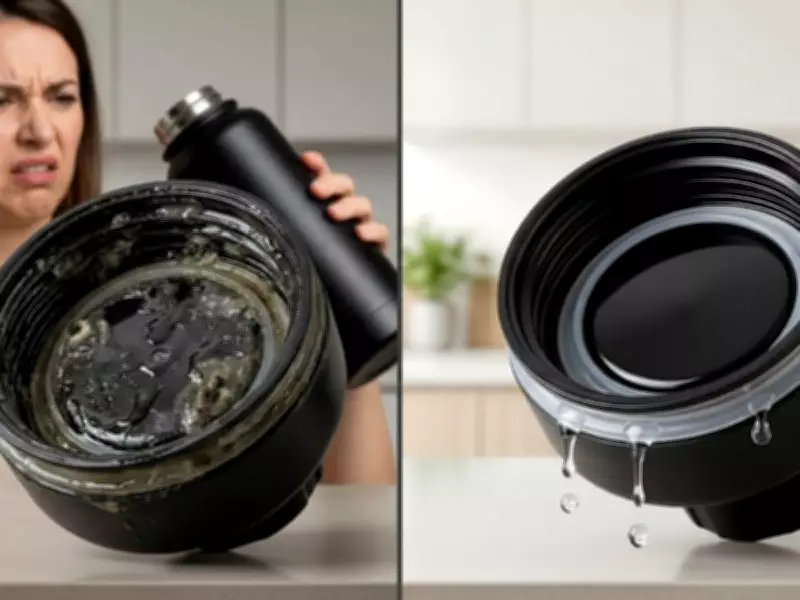
The film that appears on the inside walls or in the cap of your water bottle is not just a simple remnant. It is a biological formation known as biofilm. A biofilm is an organized, tightly packed group of microorganisms that sticks to surfaces and forms a protective, sticky layer. Once established, the biofilm allows microbes to live, multiply, and resist basic rinsing more effectively than isolated floating bacteria. Reusable bottles provide ideal conditions for these communities to thrive: continuous water, dark crevices, and a warm ambient temperature. Every time you drink and breathe in oral bacteria, you introduce them back into the bottle. Similarly, your hands transmit environmental bacteria onto the threads, lid, and rims during use. In a short time, these microbes build up and form strong colonies.

The extent of this microbial activity is often underestimated because the water entering the bottle is clean. To investigate what happens beneath the surface, a thorough research study published in the Journal of Environmental Health examined reusable bottles to assess their water quality. Researchers discovered that 78 percent of samples tested contained high heterotrophic plate counts. Additionally, almost half of the bottles had coliforms detected. It is clear that even for people with keen hygiene habits, commonplace bottles often support large numbers of bacterial colonies. Complex cap designs and warm environments create ideal conditions for invisible biofilms to thrive, potentially impacting your health.
Why Simple Designs Cover the Greatest Dangers
Although the body of the bottle receives the most attention during a quick rinse, the cap and surrounding parts usually pose the most difficult problem. Modern reusable bottles often have elaborate lid designs that include complex screw threads, removable rubber gaskets, pop-up straws, and large grooves. These tiny, compact areas can effectively capture water and organic matter, creating ideal habitats for biofilms.
The design and structure of the bottle greatly influence how these micro-environments develop. In a study published in Food Protection Trends, the levels of bacterial contamination in everyday plastic bottles were heavily affected by specific usage patterns and design features, such as slim mouthpieces and complicated caps, which limit regular and thorough cleaning. The study found that without thorough, deliberate sanitation of these specialized parts, the bottle's surfaces rapidly accumulate organic matter, making the bottle an inexhaustible source of germs.
Environmental factors, such as hot temperatures and high humidity, boost bacterial growth. Placing a bottle in a warm backpack, a parked car, or a heated gym locker creates an ideal environment for microbes to replicate quickly. Over time, these invisible biofilms may harbor dangerous pathogens and cause health issues such as stomach discomfort, skin irritation, or subtle changes in the flavor and smell of your water.
Stopping the Biofilm Cycle
Fortunately, keeping your hydration routine completely safe does not require you to discard your favorite reusable bottles. You simply need to treat your bottle with the same care as any other food-contact surface. A quick spray of cold water before refilling is not enough to alter the biofilm's structural integrity.

Implementing a regular, efficient cleaning routine can completely transform the environment inside your container. Commit to a daily clean-up: wash your bottle each day with warm detergent, water, and a bottle brush to physically clean the interior. The lid must be disassembled completely: take apart all accessible components, including straws, rubber seals, and silicone gaskets, as these are the most critical areas that trap moisture. Prioritize air drying: let every part of the bottle dry fully in a ventilated area before reassembling, eliminating the moisture that microbes need to survive. Include regular deep cleaning: soak the components in a dilute white vinegar solution or baking soda paste to remove stubborn, invisible residue from hard-to-reach spaces. By incorporating these easy actions into your schedule, you can ensure that your eco-friendly habits also benefit your own well-being.