

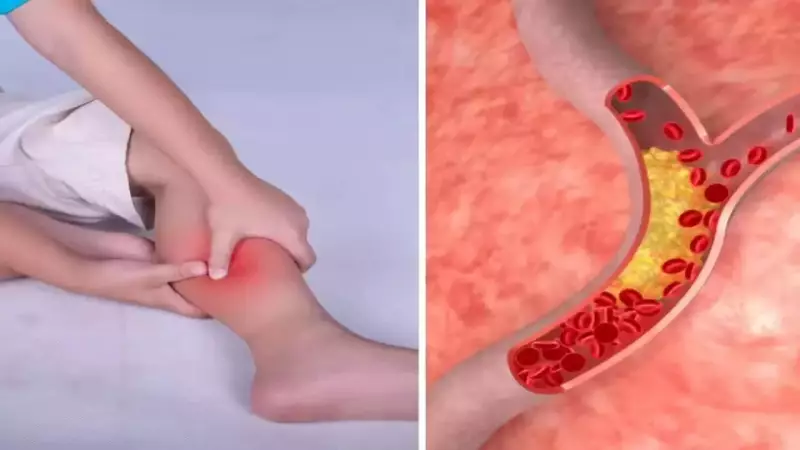
Cholesterol, a waxy substance found in your blood, is essential for building healthy cells. However, when levels of the "bad" kind, known as Low-Density Lipoprotein (LDL), become too high, it poses a silent but severe threat to your cardiovascular system. This condition often manifests its earliest warnings not in the chest, but surprisingly, in the legs, particularly during the quiet of the night.
The Silent Alarm: How High Cholesterol Harms Your Legs
LDL cholesterol can build up inside artery walls, forming hard plaques in a process called atherosclerosis. This narrows the passageways, restricting blood flow—a problem especially felt in the extremities. The reduced circulation means muscles and nerves in the legs are deprived of oxygen and nutrients, leading to a host of discomforts that become pronounced when the body is at rest.
1. Nocturnal Pain and Cramping
One of the most common red flags is unexplained pain or cramping in the calves, thighs, or feet at night. This isn't ordinary tiredness. It happens because impaired blood flow fails to meet the muscles' demand for oxygen, causing them to contract painfully. Frequent episodes of such night-time leg cramps should prompt a cholesterol check, as they can be an early sign of peripheral artery disease (PAD).

2. Numbness and "Pins and Needles"
Do you feel a tingling, prickling, or numb sensation in your legs when you lie down? This pins-and-needles feeling is a direct result of nerve endings being starved of oxygen due to poor circulation from cholesterol plaques. Persistent numbness is a signal that blood flow to your legs is significantly compromised and warrants medical attention.
3. Unusual Coldness in Feet and Legs
If your legs or feet feel persistently cold, even in a warm room or under blankets, it points to poor circulation. When arteries are clogged, warm blood struggles to reach the lower limbs efficiently. This chronic coldness is more than a comfort issue; it can lead to skin damage, slow healing, and increased risk of infections.
4. Swelling (Edema) in the Lower Limbs
Swelling or edema in the legs and ankles, often worsening at night or after long periods of sitting, can be linked to high cholesterol. The plaque buildup increases pressure in blood vessels, forcing fluid to leak into surrounding tissues. This swelling may be accompanied by a feeling of heaviness or tightness in the legs.
5. Skin Discolouration and Changes
Your skin can reveal internal problems. High LDL levels may cause visible changes like a shiny, tight appearance, discolouration, dark spots, or a bluish-purple hue on the legs and feet. This occurs because the skin tissue is deprived of vital nutrients. Slow-healing sores or ulcers in the area are a particularly serious sign.
Taking Control: How to Manage Cholesterol and Protect Your Legs
Recognising these symptoms is the first step. The next is proactive management to safeguard your heart and vascular health.
Monitor Regularly: Adults, especially those with risk factors, should get routine lipid profile blood tests to track LDL levels.
Embrace a Heart-Healthy Diet: Prioritise fibre-rich foods like oats, fruits, vegetables, and legumes. Include healthy fats from nuts and fish. Strictly limit intake of saturated fats (found in fried foods, red meat) and trans fats (in processed snacks).
Commit to Consistent Exercise: Brisk walking, cycling, or swimming for at least 30 minutes most days improves circulation, helps manage weight, and boosts HDL (good) cholesterol.
Maintain a Healthy Weight: Shedding extra kilos can directly help lower LDL cholesterol and reduce strain on your circulatory system.
Avoid Tobacco and Limit Alcohol: Smoking damages blood vessel walls, accelerating plaque formation. Excessive alcohol intake can raise cholesterol and blood pressure.
Consult a Doctor: Do not ignore persistent leg symptoms. Early diagnosis and intervention, which may include medication alongside lifestyle changes, can prevent heart attacks, strokes, and advanced peripheral artery disease.

Your legs might be sending you crucial signals about your heart's health. Listening to these warnings—pain, numbness, coldness, swelling, or skin changes at night—and acting promptly can make a profound difference to your long-term well-being.





