

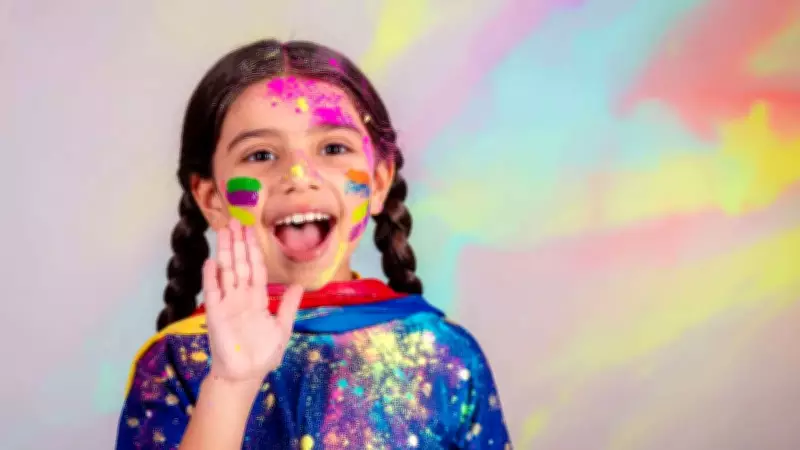
Holi Eye Safety: Protecting Children's Vision During the Festival of Colors
Holi, the vibrant festival of joy and togetherness, is celebrated with enthusiasm across India. However, amidst the revelry, children often overlook eye protection, leading to increased risks of injuries and infections. The playful nature of the festival can result in serious ocular issues if proper precautions are not taken.
Why Children's Eyes Are More Vulnerable During Holi
Children possess more delicate ocular structures, making their eyes particularly susceptible to sensitivities and damage during Holi celebrations. The festival's colors, especially synthetic varieties, frequently contain irritants, chemical dyes, and even heavy metals that can cause significant harm.
Eye infections commonly occur when these colors mix with sweat and water, entering the eyes. Furthermore, the instinct to rub or scratch irritated eyes can lead to corneal abrasions and other serious injuries, compounding the risks associated with contaminated water and chemical-laden pigments.

The Dangers of Contact Lenses During Holi Celebrations
Ophthalmologists strongly advise against children wearing contact lenses while playing Holi. The microscopic color particles and chemicals used in celebrations can become trapped between the contact lens and the cornea, creating a hazardous environment.
The potential consequences include:
- Severe eye irritation and potential chemical injuries
- Allergic conjunctivitis
- Corneal ulcers
- Persistent eye infections
Contact lenses absorb these chemicals, making them difficult to remove after festivities. Even daily disposable lenses are not safe for use during Holi. Instead, children should wear their spectacles, which provide some protective barrier and reduce direct exposure to colors.
Essential Eye Protection Strategies for Parents
Ensuring children's eye safety requires proactive measures. Follow these effective recommendations:
- Implement Eye Protection: Encourage children to wear wrap-around sunglasses, which offer optimal protection against chemicals and colors.
- Apply Protective Oil: Before going outside, apply a very thin layer of oil around the eyes on eyelid skin. This creates a barrier that prevents color adhesion and facilitates easier washing.
- Avoid Eye Rubbing: Teach children not to rub their eyes if colors enter them, as this can push particles deeper and potentially scratch the cornea.
- Rinse Properly: If colors enter the eyes, rinse immediately with clean running water. Avoid rose water, homemade remedies, or unprescribed eye drops.
- Eliminate Water Balloons: Water balloons can burst and cause blunt trauma to the eyes, potentially resulting in serious damage. Provide strict supervision to prevent their use.
Post-Holi Symptoms Requiring Immediate Medical Attention
After Holi celebrations, watch for these warning signs that necessitate prompt medical care:
- Persistent redness
- Severe pain
- Sensitivity to light
- Blurred vision
- Abnormal tearing or watering
- Discharge from the eyes
If any symptoms appear, consult an eye doctor within a couple of hours. Delaying treatment can allow inflammation and infection to worsen significantly.
Post-Festival Eye Care Recommendations
After Holi celebrations, ensure children wash their hands thoroughly before touching their faces. Cleanse their faces with soap and water to remove residual colors. If irritation or discomfort persists, avoid using contact lenses until an ophthalmologist examines the eyes.
Celebrating Holi with Caution and Care
Holi remains a wonderful opportunity for creating joyful memories. Children can enjoy the festivities safely by following simple guidelines: using natural colors, avoiding contact lenses, implementing eye protection, and taking immediate action when irritation occurs. These precautions ensure the festival's spirit is preserved without compromising ocular health.
Medical insights provided by Dr. Hardik Parikh, Ophthalmologist at Global Eye Clinic.






