

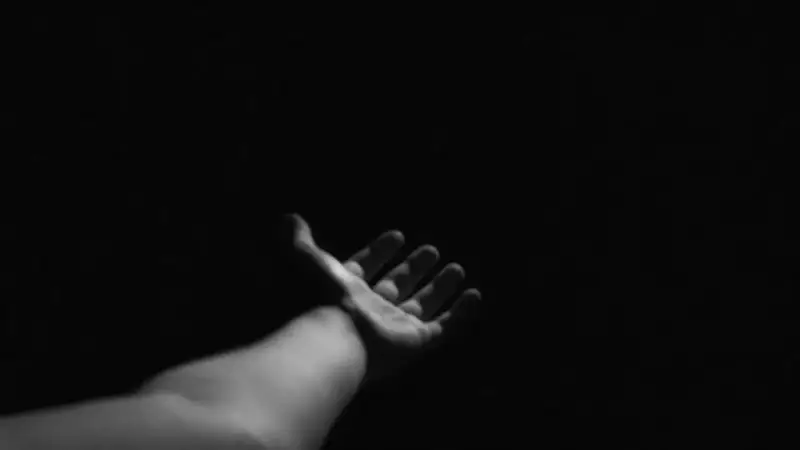
We've all experienced that momentary blindness when stepping from a sunny street into a dimly lit room or a cinema hall. Shapes appear shadowy, and navigating feels tricky for a few seconds. This common phenomenon is not just an inconvenience; it's a vital biological process called dark adaptation. It's our eyes' remarkable way of adjusting to low-light conditions, and understanding its timeline and mechanics is crucial for activities like night driving, stargazing, and general safety.
The Science Behind the Slow Adjustment
Dark adaptation is not a single, instantaneous switch. It's a multi-stage process involving different parts of the eye. The journey begins within seconds as the pupils dilate to allow more light to enter. This provides a minor vision boost. Following this, the cone cells in our retina, responsible for colour and sharp detail in bright light, start adapting. They reach a reasonable level of sensitivity in about five to ten minutes, allowing us to discern basic shapes in subdued lighting.
However, for true night vision, the baton must be passed to the rod cells. These are the workhorses for low-light vision. Rods contain a light-sensitive pigment called rhodopsin, which gets 'bleached' or broken down when exposed to bright light. Peer-reviewed studies on retinal physiology confirm that rods need significant time to recover. The regeneration of rhodopsin is essential and requires continuous darkness. It takes between 30 and 45 minutes for rhodopsin to fully rebuild, granting maximum sensitivity. In cases of extreme light exposure, this process can even stretch to an hour.

Why Colours Fade and What Slows You Down
This reliance on rod cells explains why the world turns monochromatic in near-darkness. Rods cannot detect colour; they only register shades of grey. Since cone cells are minimally active in the dark, our ability to see fine detail and vibrant colours diminishes significantly, even after full adaptation.
Several factors can influence how quickly or effectively your eyes adapt to the dark:
- Age: Older adults naturally regenerate rhodopsin more slowly.
- Pre-Exposure to Light: Using bright screens (phones, tablets) or being in well-lit areas just before entering darkness hampers the process.
- Nutrition: A Vitamin A deficiency can impair rhodopsin production, as this vitamin is its essential building block.
- Habits: Smoking has been linked to reduced night vision performance.
- Light Interruptions: Any brief flash of bright light, like checking a phone, can reset the adaptation clock, forcing your eyes to start over.
Practical Tips for Better Night Vision in Daily Life
For Indians navigating poorly lit streets, driving at night, or simply moving around the house after sunset, improving dark adaptation can enhance safety and comfort. Here are some actionable tips:
Avoid bright screens for at least 30 minutes before you need your night vision. If you need illumination, use a red light, as rod cells are less sensitive to red wavelengths, thus preserving their dark adaptation. When driving, try not to look directly at oncoming headlights. For long-term eye health, include Vitamin A-rich foods like carrots, spinach, sweet potatoes, and eggs in your diet.
In summary, patience is key. Your eyes undergo a complex transformation when moving from light to dark. While pupils adjust in seconds and cones in minutes, granting full night vision is a job for the rods, taking a substantial 30 to 45 minutes. By respecting this biological process and minimising bright light interruptions, you can see more clearly and move more confidently in low-light environments common across India.






