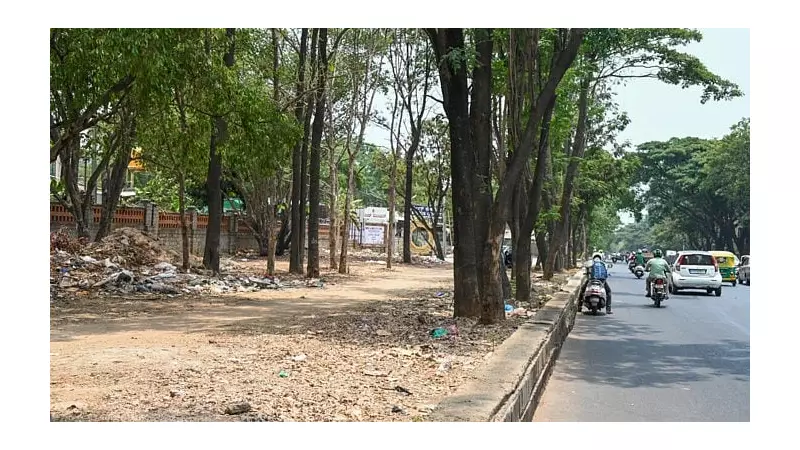
In the grand tapestry of human evolution, our movement patterns have undergone a dramatic transformation that reveals much about our modern predicament. What was once characterized by leisurely, purposeful walks has now degenerated into frantic, survival-oriented sprints through concrete jungles.
The Lost Art of Leisurely Strolls
Throughout most of human history, walking served multiple purposes beyond mere transportation. Our ancestors moved with intention and awareness, using walks as opportunities for social connection, environmental observation, and mental contemplation. These unhurried movements were integral to human existence, allowing for:
- Natural stress reduction through rhythmic motion
- Enhanced creativity and problem-solving
- Social bonding during shared journeys
- Connection with natural surroundings
The Modern Sprint for Survival
Contemporary urban life has hijacked our natural movement patterns, replacing them with what can only be described as survival dashes. The constant pressure of deadlines, overwhelming digital stimulation, and crowded urban spaces have transformed our walking into something entirely different.

Key factors driving this transformation include:
- Digital device addiction that keeps us mentally elsewhere
- Urban infrastructure designed for efficiency over experience
- Workplace cultures that prioritize speed over well-being
- Social pressures that keep us in perpetual hurry mode
Psychological and Physical Consequences
This shift from strolls to sprints carries significant implications for our health and happiness. The constant state of rushed movement activates our sympathetic nervous system, keeping us in a perpetual fight-or-flight mode that affects everything from digestion to sleep patterns.
Research suggests that this altered movement behavior contributes to increased anxiety, reduced environmental awareness, and diminished opportunities for spontaneous social interactions that traditionally occurred during leisurely walks.
Reclaiming Our Natural Rhythm
Despite these challenges, there are conscious steps we can take to reintroduce purposeful walking into our lives. Creating technology-free walking zones, scheduling deliberate strolls without specific destinations, and practicing mindful movement can help counterbalance the frantic pace of modern life.
The solution lies not in abandoning modern conveniences but in finding balance—recognizing when we're moving from necessity versus when we're moving for well-being, and ensuring we make space for both in our increasingly accelerated world.