

Kidney stones remain one of the most common and excruciating conditions affecting the urinary tract. While adequate water intake has long been the cornerstone of prevention, modern nutritional science is shining a spotlight on a crucial mineral: potassium. The shift in contemporary diets, often overloaded with sodium and lacking fresh produce, has created an internal environment ripe for stone formation. Understanding potassium's protective role offers a practical, food-based strategy for prevention, aligning with broader renal and metabolic wellness.
The Science Behind Potassium and Kidney Stone Prevention
The primary mechanism through which potassium helps ward off kidney stones involves its direct impact on urinary citrate and calcium excretion. A diet sufficient in potassium promotes the excretion of citrate into the urine. This citrate acts as a shield, binding to calcium and preventing it from crystallising into painful stones. Furthermore, potassium helps neutralise dietary acid, preserving precious citrate that would otherwise be depleted in an acidic urinary environment.
Research published in the Korean Journal of Urology strongly supports that diets high in potassium are associated with a significantly lower risk of stone formation. Conversely, a potassium-deficient diet leads to a dangerous imbalance: urinary calcium levels rise while citrate levels fall, creating the perfect storm for kidney stones to develop.

How Potassium Protects Your Kidneys
Potassium influences kidney function and stone formation through several key pathways:
- It boosts urinary citrate, a natural inhibitor of calcium-based stones.
- It reduces the amount of calcium lost in urine, limiting the raw material for crystals.
- It helps maintain a favourable urinary pH that discourages minerals from clumping together.
- It counteracts the negative effects of high sodium intake, which increases calcium excretion.
- It supports the body's overall acid-base balance, easing the load on the kidneys.
Top Potassium-Rich Foods for an Indian Diet
The best way to increase potassium is through whole, unprocessed foods. These provide a synergistic blend of the mineral along with water, fibre, and alkalising compounds. Fruits and vegetables are powerhouse sources that not only elevate potassium levels but also improve overall urinary chemistry by diluting urine and reducing acid load.
Regular consumption of these foods can lead to long-term, beneficial changes in urine composition, moving beyond short-term fixes. Here are everyday, accessible foods that can help reduce stone risk:
- Bananas: A convenient source of potassium with relatively low oxalate content.
- Oranges and Orange Juice: Deliver both potassium and natural citrate.
- Coconut Water: A hydrating Indian staple rich in potassium and electrolytes.
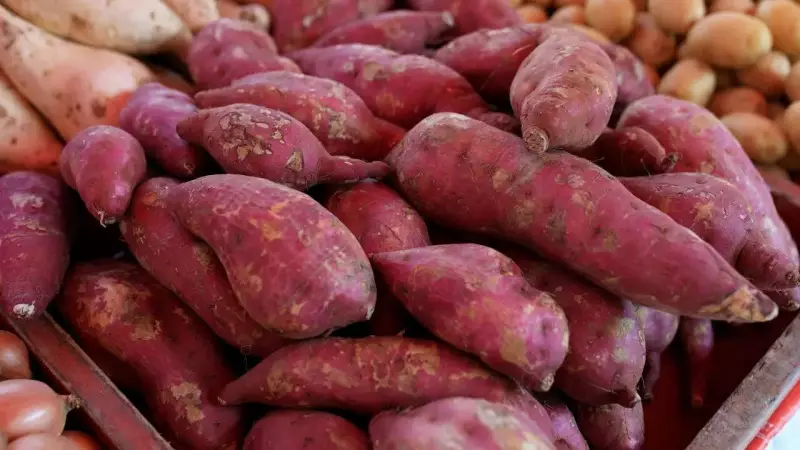
- Sweet Potatoes (Shakarkandi): Excellent potassium source with minimal sodium.
- Spinach (Palak): High in potassium but consume in moderation due to oxalates.
- Tomatoes and Tomato-based Curries: Add potassium and valuable water content.
- Lentils (Dal): A dietary staple providing potassium and plant-based protein.
- Melons like Cantaloupe (Kharbooja): Hydrating and potassium-rich.
- Papaya: Offers potassium with very few stone-forming compounds.
The Dangers of Potassium Deficiency for Kidney Health
Insufficient potassium intake doesn't just increase stone risk; it has cascading negative effects on overall health. A deficiency can trigger the leaching of calcium from bones, increase its excretion in urine, and slash citrate availability. This triad not only raises the likelihood of painful stones but can also undermine bone density and cardiovascular health over time. Often, a low-potassium diet goes hand-in-hand with high consumption of processed foods, exacerbating the problem with excess sodium and inadequate fluids.

Practical Tips to Boost Potassium Safely
Incorporating potassium-rich foods into daily Indian meals is straightforward and eliminates the need for supplementation in most healthy individuals. Whole foods provide a balanced mineral profile without the risk of overdose associated with pills, which can be dangerous for those with existing kidney issues.
Remember, controlling sodium intake is equally critical, as sodium-driven calcium loss can undermine potassium's benefits. Consistent hydration is the final, non-negotiable piece of the puzzle, enabling potassium-driven improvements in urinary chemistry to take full effect.
Simple strategies include making vegetables and fruits the centrepiece of your thali, cutting back on packaged snacks and processed foods, combining potassium-rich foods with calcium sources during meals, and drinking fluids consistently throughout the day. Always consult a healthcare provider before making significant dietary changes, especially if you have a history of kidney problems.
Disclaimer: This article is intended for general informational purposes only and is not a substitute for professional medical advice, diagnosis, or treatment. Always seek the guidance of your physician or another qualified health provider with any questions you may have regarding a medical condition.





