

The Quiet Quest for Calmness in Modern Life
Over the past two weeks, numerous clients have shared a common desire. They want to feel calm in their everyday lives. This goal stands out as a key aspiration for the year. People are actively thinking about how to build capacity for greater calm across different situations.
When Daily Life Triggers Anxiety
One client described a familiar scenario. Phone notifications instantly make her feel worked up. She then imagines worst-case work scenarios. This spiral leaves her feeling unsafe and deeply anxious.
Another client spoke about explosive family outbursts. A simple comment can irritate him. This irritation quickly leads to an uncontrollable reaction. Both individuals expressed a clear wish. They want to feel emotionally and physically relaxed. They aim to formulate measured responses with clarity, composure, and reason.

The Real Starting Point of Therapy
People rarely begin therapy with a direct wish for calmness. Instead, they start the process wanting to control their hypervigilance. They seek to manage heightened responses and understand what triggers them.
However, the therapy journey reveals a crucial insight. The absence of calmness evokes powerful emotions. Anger, rage, fear, anxiety, and paranoia surface. An inability to trust oneself also becomes apparent. This realization helps individuals move forward. They begin developing an inner strength that serves as a vital resource during difficult times.
Understanding the State of Calm
The calm state I refer to involves an internal sense of steadiness. We experience this steadiness while navigating challenging situations. True calmness requires several components.
You must be aware of how emotions feel in your body. Emotional regulation plays a key role. Focused attention is essential. You also need trust. Trust that tough situations are manageable with support from others and your own resources.
How Calmness Manifests
We experience this state physically as a feeling of safety and restfulness. Mentally, it appears as clarity. Behaviorally, calmness shows up in clear ways.
Look at non-verbal expression. Notice the tone of voice used with yourself and others. Listen to self-talk that is kind and compassionate. These are all signs of a calm state.
Building a Foundation for Better Relationships
Developing calmness is a foundational skill. Deepening this skill directly enhances relationship quality. The good news is clear. We can work towards developing a calm state using research-backed techniques.
Even with a history of trauma, abuse, or grief, change is possible. You can learn to move away from constant hypervigilance. You can learn to activate a calm state instead.
The Challenge of Staying Present
When life goes smoothly, staying present feels easier. Small threats seem manageable. However, difficult situations can quickly pull us away from a calmer state. The real trick lies in learning how to bounce back.
Practical Tools for Immediate Calm
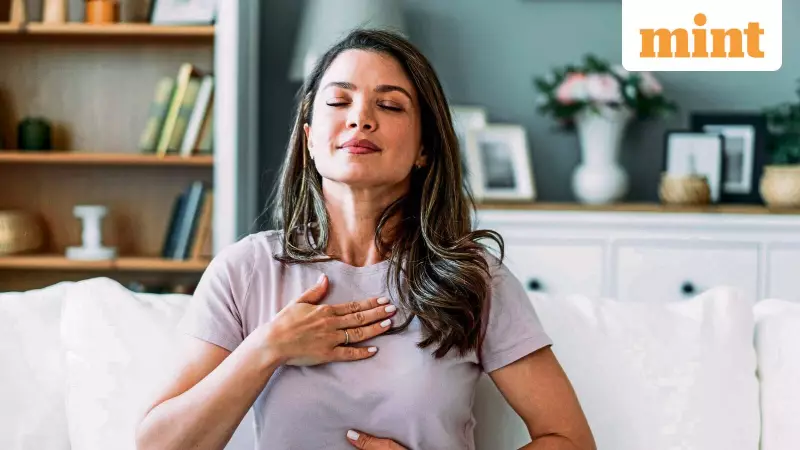
Simple acts can make a significant difference. Watching your breath helps. Belly breathing is effective. Stretching exercises provide relief. A cold shower can reset your system.
Engaging in practices like tai chi offers benefits. Spending time in nature soothes the mind. These actions do more than promote emotional relaxation. They help you experience physical ease too.
Building a personal toolkit is crucial. Knowing what works immediately allows for a necessary pause. I often remind clients about a common pitfall. We tend to underplay our coping strengths. We fall into the trap of building imaginary worst-case scenarios. This leads to overestimating stressors.
Shifting Perspective on Stress
I find great merit in a simple remembrance. Feelings of unease, anger, rage, and overwhelm are fleeting. They do not last forever.
From a belief standpoint, a friend shared valuable wisdom. How we view the world shapes how we feel and behave. She reminds herself of a key truth. Nobody wakes up thinking, 'I'm going to make someone else's life miserable today.'
This awareness helps reduce the personalization of stressors. It maintains openness and trust. Ultimately, it supports a calmer state in the body.

An Anchor for Overwhelming Moments
Every time I feel overwhelmed, I return to a powerful quote. The Dalai Lama reportedly said, "If someone remains in a peaceful and tranquil state of mind, external surroundings can cause them only a limited disturbance."
This thought serves as an anchor. It helps me start working again on what it takes to be calm. The journey towards calmness is continuous, but entirely possible with deliberate practice and self-compassion.





