

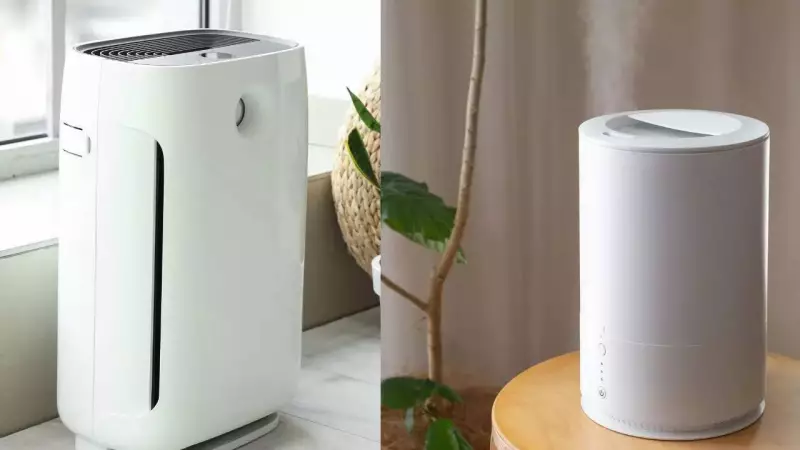
As winter tightens its grip across India, a familiar dual challenge creeps into our homes: the air becomes painfully dry while pollution levels silently rise. The combination of cold outdoor temperatures and constant indoor heating strips moisture from the air, leading to a host of discomforts. Simultaneously, keeping windows shut to retain warmth traps pollutants and dust inside, creating a stagnant, unhealthy environment. This leaves many families pondering a crucial investment: is a humidifier, an air purifier, or the combination of both the right solution for a healthier winter indoors?
The Science Behind Winter Indoor Air Woes
The discomfort is not just a feeling; it's rooted in measurable environmental changes. Heating systems and dry winter winds can cause indoor humidity to plummet below 30%, far from the comfort zone of 40-50%. This dry air leads to cracked skin, sore throats, static shocks, and even disrupted sleep due to increased snoring and airway irritation. For children and the elderly, these effects can be more pronounced.
At the same time, outdoor pollutants like vehicle emissions and industrial smoke, along with indoor allergens like dust and pet dander, have no escape route. They accumulate, worsening conditions for those with asthma or allergies. A peer-reviewed study published in the journal Environmental Health provides a key insight: maintaining indoor humidity between 40% and 60% can reduce the survival of airborne viruses and soothe respiratory tract irritation. However, experts are clear that a humidifier does nothing to remove particulate pollutants—that's a job for an air purifier.

Humidifier vs. Air Purifier: Understanding Their Unique Roles
These two devices are often confused, but they serve fundamentally different purposes and are not interchangeable.
The Humidifier: A Balm for Dryness
A humidifier's sole function is to add moisture to the air. It combats the dryness directly caused by winter heating. By restoring humidity to the optimal 40-50% range, it alleviates dry skin, irritated sinuses, and scratchy throats. It can also help preserve wooden furniture and musical instruments from damage due to excessive dryness. A critical caveat: a humidifier does not clean the air. If not cleaned regularly, it can even worsen air quality by dispersing mould or minerals into your space.
The Air Purifier: A Shield Against Pollution
An air purifier is an indoor air cleaner. Its job is to remove harmful particles from the air you breathe. Using filters, typically HEPA filters, it captures:
- Dust, pollen, and pet dander
- Mould spores
- Smoke and chemical pollutants
- Fine particulate matter (PM2.5)
This is especially vital in Indian cities grappling with severe winter pollution. While it significantly improves indoor air hygiene, an air purifier does not add moisture. You can have perfectly clean air that still feels unpleasantly dry.
Do You Need Both Devices This Winter?
For many households, especially in urban India, using both a humidifier and an air purifier together is the most effective strategy to tackle winter's twin problems. The humidifier addresses comfort by easing dryness, while the purifier safeguards health by removing irritants. This combination is highly recommended for homes with children, older adults, or individuals with pre-existing respiratory conditions.
You likely need both devices if:
- Your city has high outdoor pollution levels in winter.
- You use indoor heating extensively.
- You experience night-time coughing, dry throat, or allergy symptoms.
- You dry laundry indoors, which increases dust and dampness.
For those living in areas with low pollution and naturally good indoor humidity, one device may suffice based on the primary concern.
Tips for Using Both Devices Together Effectively
To get the best results from your humidifier and air purifier, follow these guidelines:
Keep the devices several feet apart. This prevents moisture mist from the humidifier from clogging the air purifier's filter.
Use a hygrometer to monitor humidity levels actively, ensuring they stay within the ideal 40-50% range and avoid excess dampness.

Clean the humidifier's water tank regularly to prevent the growth of mould or bacteria.
Replace the air purifier's filters as per the manufacturer's schedule to maintain peak efficiency.
When used correctly, these machines work in harmony—one adding comfort, the other ensuring cleanliness—to transform your home into a winter sanctuary. Assessing your specific indoor environment is key to deciding whether you need the powerful combination or if a single device will meet your needs for a healthier, more comfortable season.





