

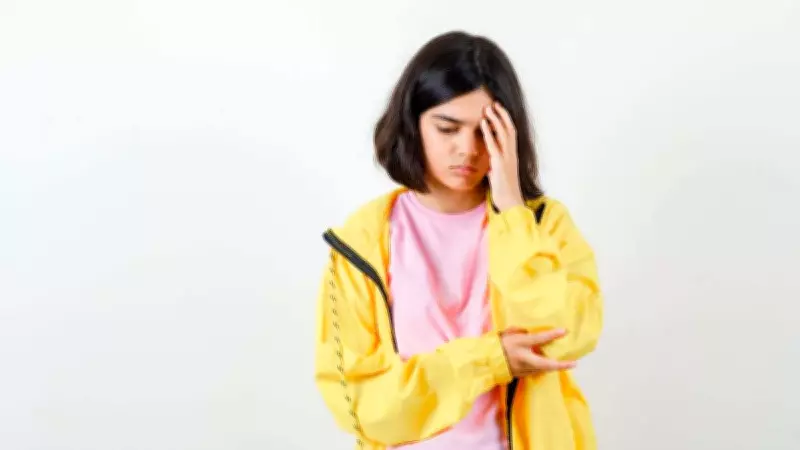
Iron Deficiency in Teenage Girls: A Growing Health Concern
Iron deficiency is becoming a significant health issue among teenage girls, with rising cases reported across various regions. This condition, often leading to anemia, manifests through symptoms such as persistent fatigue, weakness, and pale skin, impacting daily activities and overall well-being.
Symptoms and Impact on Health
The primary symptoms of iron deficiency in teen girls include:
- Fatigue and Lethargy: Constant tiredness that doesn't improve with rest.
- Weakness: Reduced physical strength and endurance.
- Pale Skin: A noticeable loss of color in the face and nails.
- Shortness of Breath: Difficulty breathing during routine activities.
- Dizziness and Headaches: Frequent episodes that affect concentration.
These symptoms can severely affect academic performance, social interactions, and participation in sports, leading to a decline in quality of life.

Causes of Iron Deficiency
Several factors contribute to the high prevalence of iron deficiency in this demographic:
- Poor Dietary Habits: Inadequate intake of iron-rich foods like leafy greens, legumes, and red meat.
- Menstrual Blood Loss: Heavy periods can lead to significant iron loss, especially if not compensated through diet.
- Growth Spurts: Rapid physical development during adolescence increases iron requirements.
- Vegetarian or Vegan Diets: Plant-based diets may lack sufficient bioavailable iron without proper planning.
- Underlying Health Conditions: Issues like celiac disease or infections that impair iron absorption.
Experts emphasize that a combination of these factors often exacerbates the deficiency, making early detection and intervention crucial.
Prevention and Management Strategies
To combat iron deficiency, healthcare professionals recommend:
- Balanced Diet: Incorporating iron-rich foods and vitamin C sources to enhance absorption.
- Regular Screening: Routine blood tests for at-risk individuals to monitor iron levels.
- Supplementation: Iron supplements prescribed under medical supervision for severe cases.
- Lifestyle Adjustments: Encouraging physical activity and stress management to support overall health.
Public health initiatives are also being advocated to raise awareness among parents, schools, and communities about the importance of iron nutrition during adolescence.
Addressing iron deficiency in teenage girls is essential for preventing long-term health complications and ensuring a healthy transition into adulthood. With proper care and awareness, this manageable condition can be effectively controlled.






