

Japanese Habits That Keep Energy Levels Naturally High
Japan is renowned for its healthy lifestyle and impressive life expectancy, which extends far beyond mere genetics. The Japanese people exhibit a profound consciousness about their well-being, often appearing full of vitality and vigor. This sustained energy is no random occurrence; it stems from deeply ingrained daily practices. These straightforward habits, rooted in principles of mindfulness and consistent movement, empower them to maintain high energy levels effortlessly. Here, we explore five Japanese habits that are certainly worth adopting for a more energetic and balanced life.
Ikigai: The Power of Purpose
Having a clear purpose in life is a cornerstone of Japanese vitality. Ikigai, a cherished Japanese concept, emphasizes the significance of possessing a compelling reason to rise each morning. Translating to "reason for being," Ikigai fosters a sense of fulfillment and direction that propels individuals forward with enthusiasm and resilience. This profound connection to one's passions and contributions fuels not only energy but also overall happiness and longevity.
Mindful Eating – Hara Hachi Bu
Energy levels are intricately linked to dietary habits, both in terms of what and how much one consumes. The Japanese adhere to the principle of Hara Hachi Bu, which involves eating until only 80 percent full. This mindful approach prevents overeating, a common culprit behind energy crashes and sluggishness. By avoiding the pitfalls of excessive food intake, such as sugar spikes and subsequent fatigue, this technique supports sustained alertness and mental clarity, making it a key component of a health-conscious lifestyle.

Hydration as a Daily Ritual
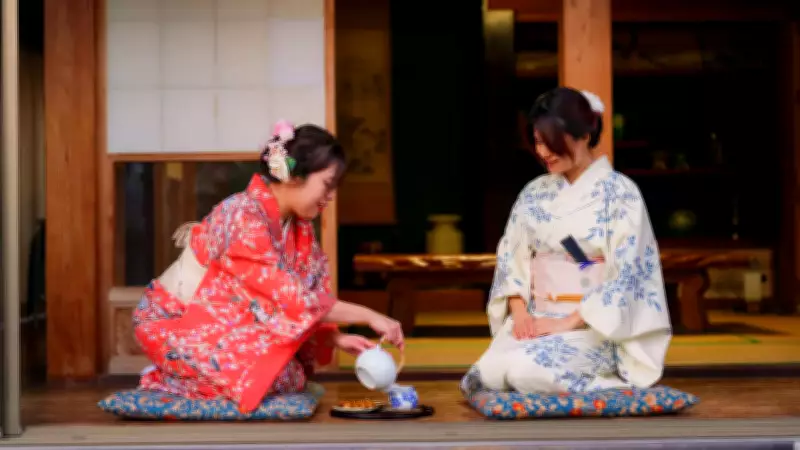
Hydration plays a pivotal role in the Japanese daily routine, contributing to their renowned glowing skin and boundless energy. A common practice is drinking water immediately upon waking, which helps kickstart metabolism and combat dehydration-induced fatigue. Beyond water, green tea is frequently enjoyed between meals, offering antioxidants and gentle caffeine boosts. This focus on fluid intake not only enhances energy but also aids in detoxification and metabolic efficiency, ensuring the body functions optimally throughout the day.
Inemuri: The Art of Napping
Contrary to the stereotype of sleep-deprived workaholics, the Japanese embrace the practice of Inemuri, or "being present while sleeping." This socially accepted form of napping in public spaces allows for brief rest periods that can significantly rejuvenate the mind and body. Short naps of 10 to 20 minutes are known to restore alertness, elevate mood, and boost cognitive performance, making them an effective tool for maintaining energy without compromising productivity or social norms.
Movement Integrated into Daily Life
For the Japanese, movement is seamlessly woven into everyday activities rather than being relegated to formal exercise sessions. They frequently walk to train stations, cycle to local shops, and willingly climb stairs, viewing these actions as natural parts of life. This consistent physical activity promotes improved circulation, supports cardiovascular health, and ensures steady energy levels throughout the day. By embracing a "less talk, more walk" philosophy, they demonstrate that maintaining fitness and vitality does not necessarily require a gym membership.
Incorporating these simple yet profound Japanese habits over time can pave the way for a healthier and more energetic future. By focusing on purpose, mindful eating, hydration, strategic napping, and integrated movement, anyone can harness these practices to enhance their daily vitality and overall well-being.






