

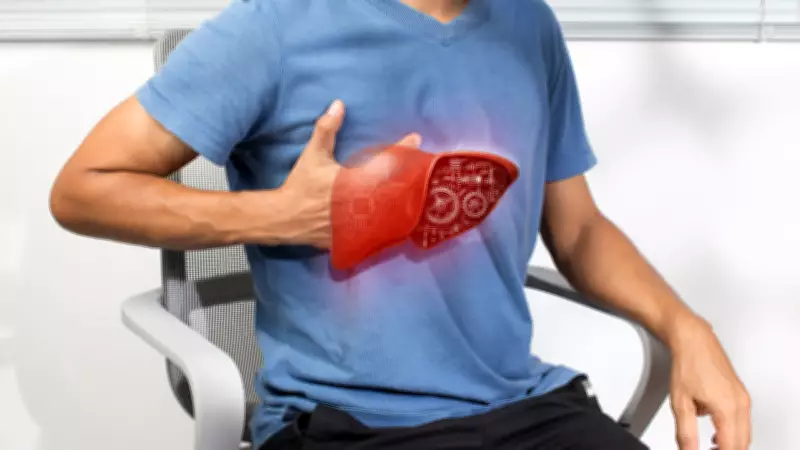
Thin Exterior, Fatty Liver Inside: The Silent Health Threat
A flat stomach and healthy weight often appear as markers of robust health. However, medical professionals now caution about a concealed issue lurking within many "normal" bodies: fatty liver disease. This condition occurs when fat accumulates in the liver, even in individuals who appear slim. Known as lean fatty liver or lean Non-Alcoholic Fatty Liver Disease (NAFLD), this phenomenon is genuine, rapidly increasing, and frequently overlooked because it contradicts conventional perceptions of illness.
Understanding Fatty Liver Disease
Fatty liver disease is defined by more than 5 percent fat deposition within liver cells. This impairs the liver's essential functions, including toxin filtration and management of sugar and fat. Over time, this fat accumulation can lead to inflammation, scarring, and potentially liver failure. The concerning aspect is that early-stage fatty liver rarely causes noticeable symptoms. Many individuals discover it incidentally through routine blood tests or imaging scans.
How Thin People Develop Fatty Liver
Body weight alone does not determine liver health. Numerous slim individuals possess elevated internal body fat, particularly around organs, known as visceral fat. A person may appear lean externally yet harbor fat in areas that harm the liver. Research indicates that genetics, poor dietary habits, prolonged sedentary behavior, and stress can damage the liver without significantly altering body weight.

A study by the US National Institutes of Health (NIH) elucidates that insulin resistance can occur even in lean individuals, directing fat directly into the liver instead of subcutaneous storage.
Dr Sharad Malhotra, Senior Consultant & Director-Gastroenterology at Aakash Healthcare, stated: "Many believe fatty liver exclusively affects overweight or obese people. However, we are witnessing a troubling trend in India: the rise of NAFLD in seemingly slim individuals. A person may look healthy but still experience fat accumulation in the liver, potentially leading to inflammation, fibrosis, and even liver failure."
The Silent Impact of Diet and Sugar
Many slender individuals consume less food but not necessarily healthier options. Packaged snacks, fruit juices, white bread, and sugary beverages may seem innocuous as they don't cause rapid weight gain. However, excessive fructose and refined carbohydrates directly strain the liver. The liver converts surplus sugar into fat, which becomes trapped there. Over years, this habit quietly builds liver fat without affecting the scale.
A study published in Hepatology Communications links high sugar intake to metabolic diseases, including fatty liver.
Dr Malhotra added: "NAFLD is strongly associated with lifestyle factors. Sedentary living and a diet rich in refined carbohydrates, sweet drinks, and fried or processed foods can contribute to liver fat accumulation, even in slim people. Stress, irregular sleep, and lack of physical activity exacerbate the condition. Genetic factors also mean some slender individuals are at higher risk. In India, diets dominated by refined wheat, rice, sweets, and fried snacks, combined with insufficient physical activity, have made this a public health issue. Being thin does not automatically equate to being healthy."
Genetics, Gut Health, and Elevated Indian Risk
South Asians face a heightened risk of fatty liver at lower body weights. Research in The Lancet reveals that Indians tend to store fat in the abdomen and liver rather than hips or thighs. Poor gut health compounds the problem, as an unhealthy gut sends harmful signals to the liver, increasing inflammation and fat storage.
Stress, Sleep, and Sedentary Lifestyles
Modern life often maintains thin appearances while compromising health. Extended desk hours slow metabolism. Chronic stress elevates cortisol, driving fat into the liver. Inadequate sleep worsens insulin resistance, even in those who exercise occasionally. These covert lifestyle factors explain why fatty liver is now observed in young professionals, students, and even athletes who train but recover poorly.

Reversing Fatty Liver in Thin Individuals
Yes, reversal is possible, especially when detected early. The liver possesses a remarkable capacity for healing. Transformation begins with food quality, not deprivation. Whole grains, pulses, vegetables, nuts, and healthy fats support liver repair. Consistent moderate exercise is more beneficial than intense weekly workouts. Walking after meals enhances the liver's sugar processing efficiency. Managing stress and ensuring 7-8 hours of sleep nightly further aid recovery.
Medical experts note that fatty liver improvement often precedes visible weight changes, indicating internal healing.
Dr Malhotra concluded: "Simple habits like walking and proper nutrition significantly reduce liver fat. Annual health check-ups are crucial for early diagnosis. Thin individuals are not inherently healthy. Awareness, diet, and lifestyle are the best defenses against 'fatty liver on the inside.'"
The Importance of Early Testing Over Appearance
Basic blood tests, ultrasound scans, and medical consultations can detect fatty liver early. Neglecting it may lead to diabetes, heart disease, and liver cirrhosis later. Health transcends thinness; it hinges on the silent, daily functioning of vital organs.





