

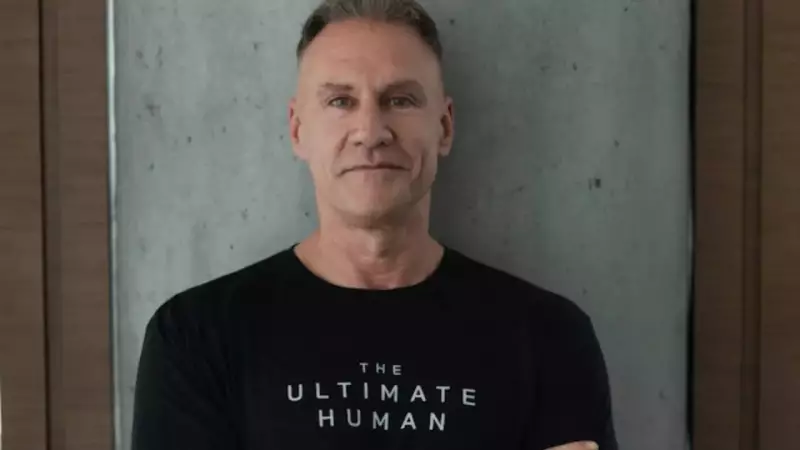
What if you could be 55 years old on your birth certificate but have the body of a 20-year-old at the cellular level? This is not a scene from a science fiction film but a real claim made by a man who says he has dramatically reduced his biological age through accessible, everyday practices.
The Man Who Turned Back His Cellular Clock
As reported by The Telegraph, a 55-year-old biohacker asserts that his biological age is merely 20. He achieved this remarkable gap not with expensive treatments or complex medical procedures, but by adopting a series of cheap and simple daily habits. This story highlights a powerful message: significant health transformation may be within reach for almost anyone.
The key lies in understanding the critical difference between chronological age and biological age. Your chronological age is the fixed number of years since you were born. In contrast, your biological age reflects the actual health and function of your body's cells, organs, and systems. It is influenced by genetics, lifestyle choices like diet and exercise, and measurable biomarkers such as telomere length and DNA methylation. A younger biological age is a strong indicator of better health, lower disease risk, and greater longevity.

The Simple "Secret Sauce" for Longevity
Human biologist Gary Brecka, founder of @theultimatehuman, explained that this transformation was driven by fundamental lifestyle choices, not high-tech gadgets or costly biohacking equipment. His "recipe" aligns with what longevity scientists have been advocating for years.
The cornerstone habits include:
- Regular Movement: A combination of aerobic exercise (like walking or cycling) and strength training.
- Healthy Eating: A diet focused on whole foods, minimizing processed items.
- Quality Sleep: Ensuring consistent, restorative sleep each night.
- Stress Management: Actively working to reduce chronic stress.
- Avoiding Harm: Steering clear of smoking and excessive alcohol consumption.
Exercise helps maintain muscle mass, boosts metabolism, improves heart health, and reduces inflammation—all of which protect cells. Good sleep and low stress are vital for cellular repair and DNA maintenance. Together, these practices form a powerful, low-cost protocol for healthy aging.
What Science Says About Slowing Aging
This individual's claim is supported by a growing body of scientific research. Lifestyle habits have a proven, measurable impact on our biological age.
A recent study on heart-healthy behaviors, known as "Life’s Essential 8," found that people adhering to these habits exhibited younger biological age markers, irrespective of their actual chronological age. Regular physical activity is consistently linked to slowed cellular aging. Furthermore, adequate sleep, stress control, a nutritious diet, and proper hydration are foundational pillars that influence DNA repair, immune strength, and metabolic health.
While genetics play a role, these findings show we are not powerless. Daily choices can significantly tilt the balance toward a younger, healthier biological age.
How You Can Apply These Lessons
The story of a 55-year-old thriving with the cellular vitality of a 20-year-old is profoundly inspiring. Here’s how you can incorporate these principles:
Move Regularly: Aim for at least 30 minutes of daily activity, mixing cardio and strength training.
Eat Well: Build your meals around vegetables, fruits, whole grains, lean proteins, and healthy fats.
Prioritize Sleep and Manage Stress: Target 7–9 hours of quality sleep per night and adopt stress-reduction techniques like mindfulness or engaging in hobbies.
Adopt Healthy Daily Habits: Stay hydrated, avoid harmful substances, and keep a healthy weight.
The most crucial element is consistency. These are not quick fixes but long-term commitments that support your body day after day, potentially helping you feel—and biologically be—years younger.






