

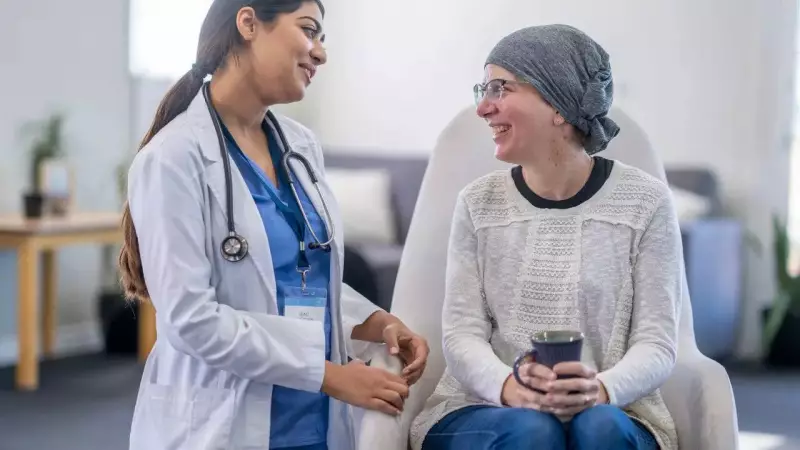
Modern cancer therapies have revolutionised survival rates, offering powerful weapons against the disease. However, these life-saving treatments often come with a significant personal cost, affecting the skin, scalp, and nails of patients. Known as treatment-related adverse reactions, these side effects are far from superficial, impacting daily comfort, self-confidence, and overall quality of life during a critical period.
The High Prevalence of Skin Changes in Cancer Care
Research indicates a startling reality: nearly two out of every three individuals undergoing cancer therapy will experience noticeable changes to their skin. While some reactions are mild and temporary, others can progress, become persistent, or, in rare but serious cases, necessitate an interruption in the primary cancer treatment. A weakened immune system due to therapy also increases susceptibility to skin infections and allergic responses.
Virtually all major cancer treatments carry this risk. Chemotherapy drugs, immunotherapy agents, radiation therapy, and procedures like bone marrow transplantation can affect the skin to varying degrees. The severity depends on factors like the specific medication, duration of treatment, and the patient's unique biological makeup.

Oncodermatology: A Specialised Shield for Patients' Skin
Recognising this widespread need, a dedicated branch of medicine called oncodermatology has emerged. This subspecialty focuses specifically on identifying, understanding, and managing skin-related issues caused by cancer treatments. The core mission is to provide timely and effective care that enhances patient comfort, prevents complications, and crucially, enables patients to continue their essential cancer regimens with minimal disruption.
As noted by the National Cancer Institute, skin and nail alterations are a common consequence of cancer therapies. Patients frequently report a range of symptoms, including:
- Severe dryness, persistent itching, and various rashes.
- A burning sensation and peeling of the skin.
- Fragile, discoloured nails and pain in the fingertips.
- Swelling, redness, and blisters on the palms and soles (hand-foot syndrome).
- Soreness and ulcers inside the mouth (mucositis).
- Increased sensitivity to sunlight (photosensitivity).
- Partial or complete hair loss (alopecia).
- Areas of skin darkening, patches, or thickening.
Proactive Management and Daily Care Strategies
Experts emphasise that proactive communication with the medical team is the first step. Discussing potential skin reactions before treatment begins is highly beneficial. Patients with a history of chronic skin conditions like eczema or psoriasis are advised to consult a dermatologist in advance to strategise on minimising flare-ups.
When side effects do appear, a consistent skincare routine becomes an integral part of successful treatment. Regular moisturising is paramount to reduce discomfort and support the skin's natural barrier, especially for older adults or those prone to dryness. Given that many therapies increase UV sensitivity, rigorous sun protection is non-negotiable. This includes wearing protective clothing and applying a broad-spectrum sunscreen daily to prevent sunburn and long-term damage.
Regular self-examination of the skin for new or worsening symptoms allows for early detection of problems. The most critical step is to inform the treating oncologist or dermatologist immediately about any changes. This ensures timely intervention, manages severe reactions which may require clinical evaluation or temporary treatment pauses, and ultimately supports the continuity of life-saving cancer care.






