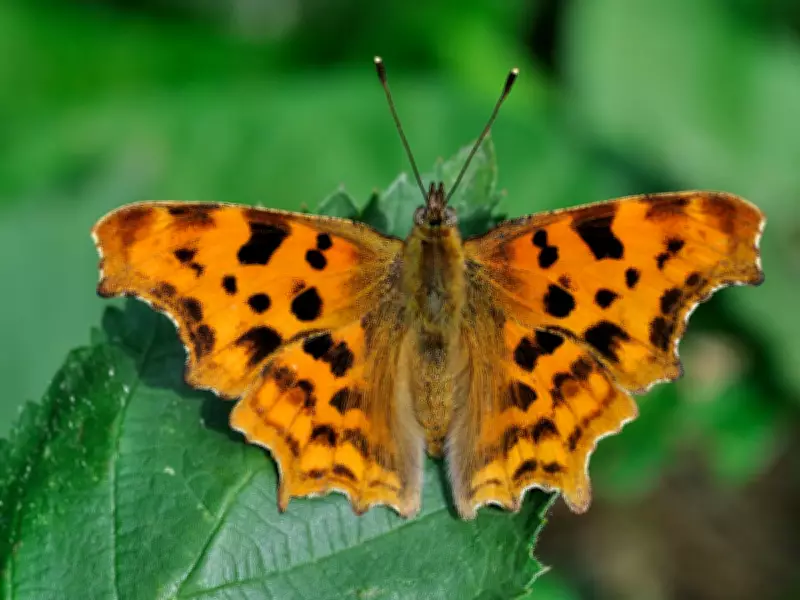
With the warm, gentle days of May setting in, gardeners across the United States feel that familiar urge to dig their fingers back into the soil. If you have been envisioning a yard vibrant with hues and the gentle flight of butterflies, this is the perfect time to turn that dream into reality. Creating a beautiful garden during the summer months is not solely about aesthetics; it is an effort to build a living, breathing ecosystem that provides food for native wildlife. By selecting the right flower combinations for this month, you can transform an ordinary patch of soil into a stunning haven for your family and local pollinators.
The Art of the Layered Summer Garden
The art of crafting a stunning flowerbed requires thoughtful planning regarding size and color. One of the most traditional and reliable combinations for summer displays is pairing Shasta daisies with petunias. Both species offer outstanding contrast. Shasta daisies, scientifically known as Leucanthemum superbum, bring height and structural beauty to the back of the border. They can grow up to 4 feet tall, with crisp white petals and bright yellow centers that serve as beacons for the sun. In front of these tall sentinels, low-growing petunias form an ideal colorful carpet, available in a wide range of pinks, purples, and yellows. Petunias rarely exceed 18 inches in height. This natural layering ensures the garden brims with visual appeal. Beyond aesthetics, the varied dimensions and shapes are an explicit invitation to biodiversity. An article published in the Journal of Functional Ecology shows that flower displays varying in height and design attract a more diverse range of insects than uniform plantings. This dynamic duo thrives in sunny spots, providing essential nectar for butterflies and contributing to their survival in diminishing habitats.
Why Butterflies Love This Dynamic Duo
There is a reason your garden becomes a preferred destination for butterflies once both plants are present. Butterflies are cold-blooded and rely on sunlight to regulate their body temperatures. Since both Shasta daisies and petunias flourish in full sun, they naturally occupy warm, bright areas of your garden, precisely where butterflies are most likely to congregate. Moreover, they are top-quality nectar producers. Daisies offer a wide, flat surface for larger butterflies to rest while feeding, while trumpet-shaped petunias provide rich nectar wells. This constant food supply is essential for local ecosystems. Studies published in the journal Biological Conservation highlight how urban and suburban gardens function as vital "nectar cafes" that help maintain butterfly populations as their natural habitats diminish. By planting these flowers in May, you are effectively setting the table for summer's celebration.

Simple Tips for Thriving May Planting
To ensure your May garden is a success, timing and soil health are your best allies. It is crucial to wait until the final threat of frost has passed before planting young seedlings. Although both plants are robust, petunias are more vulnerable to late spring chills. If you hope for blooms by the time summer heat arrives, experts recommend avoiding seeds planted too late; instead, choose mature starter plants from a local nursery. This gives you a substantial advantage and guarantees strong root development during initial growth. Maintaining this combination is straightforward, making these plants ideal for homeowners. Both adapt well to well-drained soil. To avoid common issues like fungal diseases and root rot, avoid overwatering. The best rule of thumb is to test the top inch of soil; if it feels dry to the touch, it is time to water. Although generally resistant to serious pests, watch for slugs and aphids that may occasionally appear on tender leaves. By planting taller daisies in the back and smaller petunias in the front, you ensure each plant receives the sunlight it needs to thrive through fall.