

Imagine driving down a highway, your eyes open, but for a split second, your brain simply switches off. You don't feel it coming. There's no heavy nodding, just a sudden, terrifying lapse where the world goes blank. This isn't science fiction; it's a frighteningly common phenomenon known as microsleep, and it's responsible for an estimated 100,000 car crashes every year.
What Exactly Is Microsleep?
Doctors define microsleep as a brief, involuntary episode where the brain slips into sleep-like activity while a person is still technically awake. These episodes are short, lasting from a single second to about 30 seconds, but their impact is severe. During this time, the brain experiences a temporary loss of attention, memory lapses, and a dramatic slowing of reaction time.
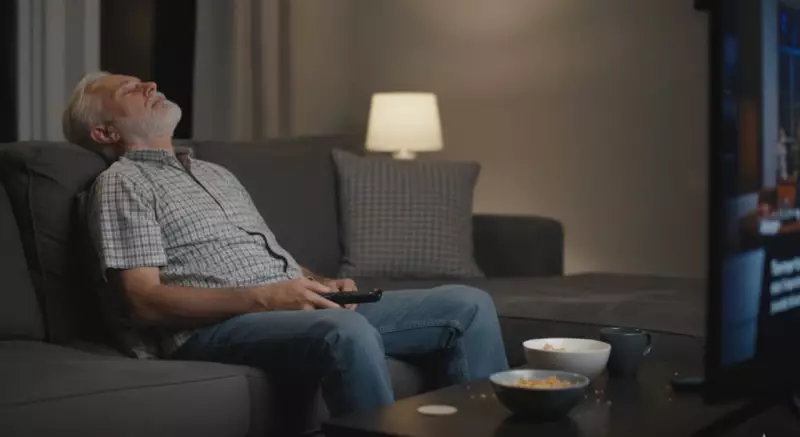
People often don't realise it has happened until they jolt back to awareness. The signs can be subtle: head-drooping, zoning out, sudden muscle jerks, or the eerie experience of blinking and having a full dream play out in that instant. The primary cause is severe sleep deprivation. When pushed beyond its limits, the brain forces itself offline, unable to maintain wakefulness.

Monotonous tasks like long-distance driving, watching late-night TV, or working night shifts are common triggers, especially when combined with existing tiredness. Our body's internal clock, or circadian rhythm, also plays a role, making microsleep more likely during natural dips in alertness, such as late at night or in the early morning hours.
A Doctor's Chilling Explanation: "As Impaired As A Drunk Driver"
One of the clearest warnings comes from Dr. Myro Figura, a board-certified anesthesiologist and Assistant Clinical Professor at UCLA Health. With over a decade of experience, Dr. Figura describes microsleep as "wild and scary."
"Microsleep is wild and scary because it is your brain involuntarily blacking out for a fraction of a second up to 30 seconds," he explains. "Your eyes might stay open, but your brain is not processing anything. It's a complete reboot that happens after you don't sleep for about 24 hours."
He highlights the extreme risk for healthcare workers on long shifts but delivers an even more shocking comparison for the general public. "After 24 hours of sleep deprivation, you are as impaired as a drunk driver," Dr. Figura states. "Not sleeping for 24 hours is equivalent to having a blood alcohol level equivalent to driving drunk."
How To Fight The Invisible Danger: Prevention and Sleep Hygiene
Sleep clinics and road-safety organisations emphasise that recognising the risk is the first step. To reduce the chance of microsleep, especially while driving, they recommend several practical strategies:
- Take a break every two hours during long drives.
- Pull over safely for a short nap of 5–45 minutes if needed.
- Switch drivers when travelling with others.
- Avoid alcohol before driving and be cautious with medications that cause drowsiness.
- Plan travel for daylight hours when possible.
Beyond immediate fixes, long-term sleep hygiene is crucial. Experts advise aiming for 7–8 hours of quality sleep nightly and maintaining a consistent sleep-wake schedule. Other recommendations include reducing caffeine intake after 4 p.m., keeping bedroom temperatures cool (around 25–26°C), avoiding screens before bed, and using warm, low-intensity lighting in the evening.
The Unseen Risk You Can't Negotiate With
The true danger of microsleep lies in its stealth. It strikes without the classic signs of drowsiness, often when people believe they can "push through" their fatigue. The brain simply stops processing information, leaving a person momentarily helpless—eyes open, body upright, but mentally absent.
Disorders like Delayed Sleep Phase Syndrome, where one's internal clock is misaligned with the day-night cycle, can exacerbate the problem by making consistent, restorative sleep difficult to achieve.

Ultimately, the message from doctors like Dr. Figura is starkly simple. The safest protection against this invisible threat is acknowledging the body's non-negotiable limits and prioritising adequate, regular sleep. In a fast-paced world, sometimes the most critical act of self-preservation is to simply switch off and rest.





