

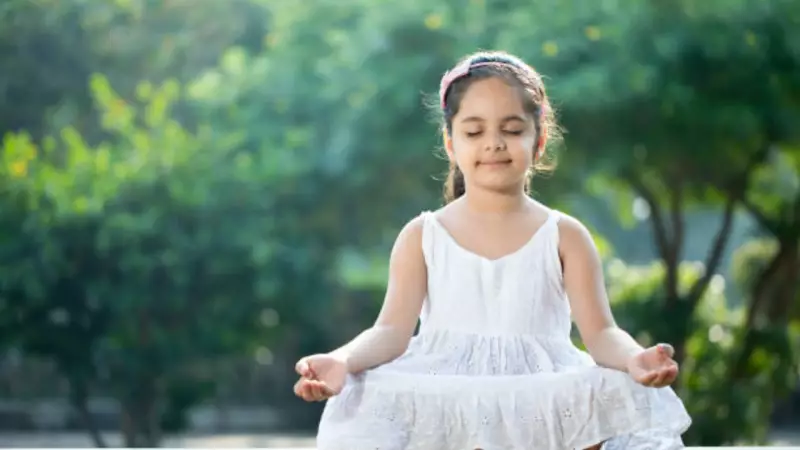
Spotting a child sitting still for more than half a minute can feel as rare and fleeting as witnessing a shooting star. In the contemporary landscape, young minds are navigating a universe perpetually buzzing with digital notifications, academic competition, and sensory overload. Their schedules are crammed with school, homework, extracurricular classes, and towering expectations. Amidst this chaos, the proposition of teaching mindfulness to children often raises a critical question: Is this merely another fashionable buzzword destined to fade, or is it a genuinely meaningful tool for shaping a healthier future?
The Pressing Need for Mindfulness in Childhood
While childhood may appear carefree on the surface, many youngsters silently shoulder significant burdens. The pressure to perform academically, fear of failure, constant peer comparisons, and overwhelming emotions they cannot yet articulate are common loads. When these feelings become too intense, they frequently manifest as emotional meltdowns, unexplained anger, social withdrawal, or heightened anxiety. Mindfulness offers a gentle, practical solution. It teaches children to hit the pause button, take a conscious breath, and choose a response rather than being hijacked by a reaction. Essentially, it provides them with a personal emotional first-aid kit they can carry for life.
Contrary to popular belief, mindfulness is not about forcing children into prolonged meditation. It is woven into tiny, accessible everyday moments. It is the act of taking a deep breath before tears flow over a broken pencil. It is the simple awareness of how their body feels when nervousness creeps in. It is choosing to slow down instead of exploding after losing a game. It is savoring a meal instead of rushing to finish. These small, intentional pauses build emotional strength and self-regulation more effectively than any lecture ever could.

Core Life Skills Cultivated Through Mindfulness
The fundamental magic of mindfulness lies in cultivating non-judgmental awareness. Children learn to observe their swirling thoughts and big feelings without immediately labeling them as good or bad. This practice helps transform a thought like "I'm terrible at this" into a more manageable "I feel frustrated right now, and that's okay. I can take a breath and try again." This shift in perspective is powerful.
Through consistent practice, mindfulness instills several key life skills:
- Enhanced Focus: The ability to concentrate in a world saturated with distractions.
- Greater Patience: Managing emotions when situations do not unfold as desired.
- Self-Kindness and Empathy: Developing compassion towards themselves and others.
- Emotional Resilience: Navigating tough days and bouncing back from setbacks.
- Inner Confidence: Learning to trust their own intuition and inner voice.
Unlike a fleeting trend, these are foundational competencies that serve an individual for a lifetime, providing a stable internal anchor in an unpredictable world.
The Crucial Role of Parents and Schools
Mindfulness truly begins at home. Children learn profoundly through imitation, not just instruction. When parents consciously slow down, practice active listening, and model calm communication, they provide a living blueprint. Simple acts, like taking a few shared deep breaths during a stressful moment, powerfully show a child they are not alone in their feelings. Integrating evening gratitude rituals, mindful storytelling, or even paying full attention during meals can significantly transform a child's daily experience. The goal is not parental perfection, but authentic presence.
Forward-thinking educational institutions across India, such as the Orchids network of schools, are increasingly recognizing that emotional and social education is as critical as academic instruction. Many classrooms now incorporate 'mindful minutes,' reflection periods, and guided breathing breaks. These are not mere time-fillers; they act as essential cognitive and emotional resets. Evidence suggests that when children learn to calm their minds, their capacity to learn, listen, and connect with others improves markedly.

Schools can foster this environment by:
- Teaching simple, age-appropriate breathing and focus exercises.
- Creating designated 'calm corners' or quiet rooms for emotional regulation.
- Encouraging reflective journaling as an alternative to punitive measures.
- Training teachers in basic emotional support and mindfulness techniques.
- Organizing workshops for parents to extend mindfulness practices into the home.
A school that prioritizes teaching children how to healthily manage pressure and emotions is ultimately nurturing well-rounded, healthier adults, not just high academic achievers.
Conclusion: A Foundational Gift for the Future
While mindfulness may be discussed as a contemporary trend, at its heart, it represents a return to timeless human capacities we have neglected: stillness, genuine connection, and present-moment awareness. As the external world grows ever louder and more demanding, mindfulness gifts children a quiet, safe internal space where they can recharge, reflect, and find stability.
By teaching the next generation how to pause, breathe deeply, listen attentively, and understand their emotions, we are doing more than raising calmer children. We are equipping them to become stronger, more compassionate, and resilient humans. Therefore, mindfulness is unequivocally part of our collective future. It may indeed be one of the most beautiful and practical gifts we can offer our children today. The journey builds one breath, one mindful moment at a time, starting small and starting now.





