

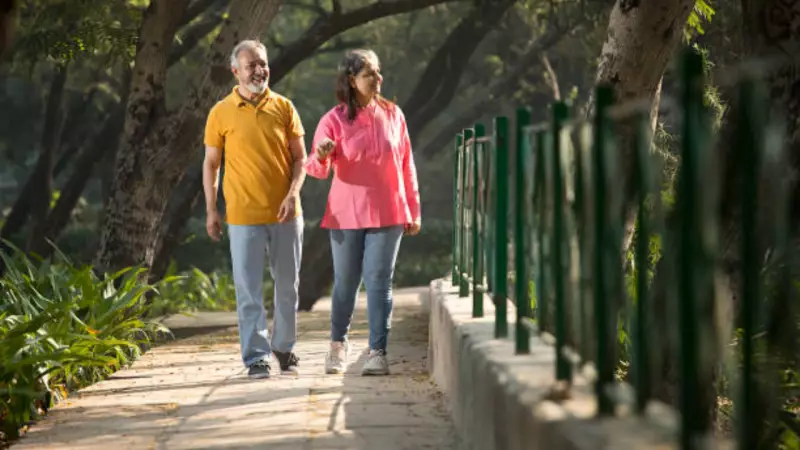
For decades, the narrative around growing older has been dominated by biology: weakening bones, slower metabolism, and declining energy. However, a deeper understanding is emerging from conversations with health experts and hundreds of adults above 50. The true transformation in contemporary ageing is behavioural, not merely biological.
The Silent Crisis: Emotional Erosion Over Physical Decline
In cities across India, the primary barriers to a vibrant life after 50 are often not medical conditions. Instead, they are loneliness, a profound sense of purposelessness, and the gradual shrinking of one's social and emotional circles. While physical health and nutrition remain crucial, science now indicates that the cornerstone of wellness in later years lies more in our daily habits, social connections, and mental fortitude than in biomarkers alone.
Discussions frequently centre on heart and bone health, yet rarely address the slow loss of meaning, novelty, and companionship that typically begins in one's 50s. A recent global study underscores this, finding that adults over 50 without regular social engagement face a significantly higher risk of cognitive decline and depression. India's own Longitudinal Ageing Study mirrors this trend, reporting an alarming increase in feelings of isolation and lack of purpose among the elderly.

This is far from a trivial concern. Loneliness activates the same neural pathways linked to physical pain, triggering stress responses, increasing inflammation, and even speeding up biological ageing. The critical insight here is that biology often merely reflects what our behaviours and environment have shaped.
Routine Fatigue: The Unseen Drain on Vitality
Many individuals past 50 describe life as becoming a predictable loop—devoid of major stress but filled with monotony. The same daily routes, meals, and conversations lead to what psychologists term 'routine fatigue', a gradual reduction in cognitive stimulation. As novelty signals to the brain diminish, dopamine levels drop, affecting motivation and emotional vibrancy.
Research offers a hopeful counterpoint: even small injections of novelty can rewire neural circuits, boosting mood and sharpening cognition. This could be as simple as picking up a new hobby, altering a walking route, or learning a skill. Engaging in activities like writing one's life story for future generations can be a powerful tool. This period represents a turning point where the external environment no longer provides automatic stimulation. Ageing well, therefore, becomes a conscious act of design.
The Three Pillars of Intentional Ageing
The focus is shifting from passive treatment to active agency. The question is no longer "What is ageing doing to me?" but "What am I doing to shape how I age?" Three behavioural pillars are paramount:
1. Mental Resilience: This is the capacity to adapt to life's changes, such as children leaving home, retirement, or health shifts. Practices like journaling, joining community groups, or seeking therapy (though still taboo for many over 50) build this resilience more effectively than supplements alone.
2. Social Health: Humans are wired to regulate emotions socially. Thinking, recovery, and longevity are all enhanced by connection. Friendship is now recognised as a health intervention as potent as regular exercise, a fact backed by multiple long-term studies.
3. Habit Architecture: The routines established in your 50s often dictate the quality of your 70s. Consistent sleep patterns, daily sunlight exposure, proper nutrition, bioavailable supplements, walking, community involvement, and continuous learning create small, protective rhythms for cognitive, emotional, and metabolic health.
Biology, of course, still plays a supporting role. Nutrient absorption for key elements like Vitamin D, Omega-3s, and antioxidants naturally declines after 50, even with a good diet, due to changes in gastric acid and intestinal function. While strategic supplementation is important, it cannot replace the foundational behavioural architecture that defines modern ageing.

The common trait among those who thrive emotionally, cognitively, and physically after 50 is intentionality. They actively cultivate friendships, reinvent routines, stay curious, and design environments that energise them. They use nutrition and nutraceuticals strategically, not reactively. This is the new face of ageing in India—less about what the body loses and more about what the mind chooses. By shifting the conversation from fear to agency, India's 50+ generation can aspire to live not just longer, but deeper, fuller, and more connected lives.





