

Parents work hard to shield their children from harmful substances. They avoid processed foods, limit sweets, and monitor everything their kids consume. Yet sometimes, the danger hides in plain sight, right in our daily routines.
A Persistent Mystery Cough
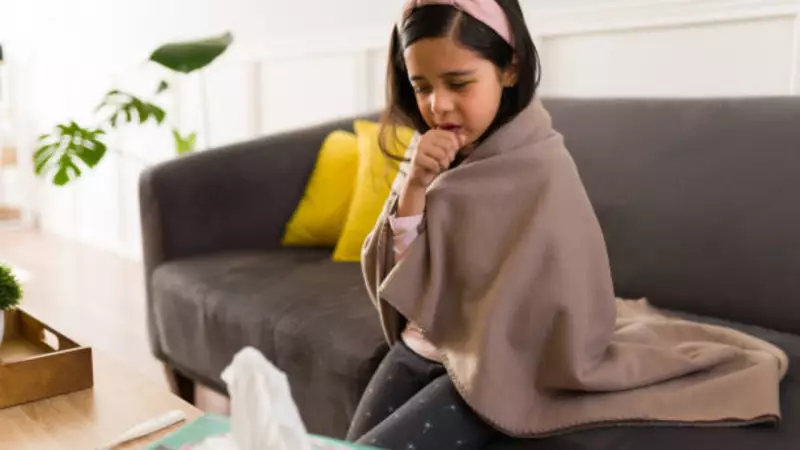
A six-year-old girl from Pune suffered from a continuous cough for eight long months. Her family consulted several doctors during this period. They tried various medications, but nothing brought relief to the little girl.
The child underwent multiple medical examinations. Doctors listened to her chest and found it sounded normal. They performed a chest X-ray, which showed no abnormalities. The cause of her persistent cough remained completely unclear.

The Unexpected Clue
During one consultation at Ankura Hospital for Women and Children in Pune, something remarkable happened. The child's mother expressed her frustration about the lack of improvement. As she spoke, a nurse standing nearby suddenly began coughing intensely.
The nurse immediately identified the trigger. "Sir, the mother's perfume is very strong. It is triggering my cough," she told the doctor. This moment revealed what months of tests had failed to uncover.
The strong perfume the mother wore daily was likely causing her daughter's cough too. Medical professionals realized the fragrance that seemed harmless to some was actually toxic to others.
A Simple Solution After Months of Struggle
Doctors gently explained their discovery to the mother. They advised her to stop wearing that particular perfume around her child. The family followed this simple recommendation.
Fifteen days later, the mother returned to the hospital outpatient department with a completely different demeanor. Instead of stress and worry, she wore a smile. Her daughter's cough had almost completely disappeared.
A straightforward environmental change had solved a problem that multiple medical consultations and various medications could not address. The solution required no prescriptions, just awareness.
Medical Insights from Pune Specialists
Dr. Mounnish Balaji, Consultant Pediatric Pulmonologist, Allergy and Sleep Specialist at Ankura Hospital, Pune, explained the case. "This shows how differently every individual reacts to external irritants," he said.
Dr. Balaji emphasized that parents must remember common household items can trigger serious reactions in children. Strong perfumes, room fresheners, incense sticks, and aerosol sprays can be powerful cough triggers for some children.
In this particular case, stopping one perfume succeeded where medicines had failed. The doctor called it "a strong reminder that sometimes the answer lies not in investigations, but in our surroundings."
Understanding Environmental Triggers
Dr. Balaji warned parents about the potential dangers of strong fragrances. These substances can irritate children's airways and cause persistent coughing. If left untreated, such conditions could lead to complications.
Potential complications include:
- Repeated cough episodes
- Increased school absenteeism
- Negative impact on academic performance
Not all children react the same way to environmental irritants. Sensitivity varies widely from child to child. Common household items that can trigger coughing include:
- Perfumes and deodorants
- Air fresheners
- Mosquito repellent sprays
- Incense sticks
- Scented detergents and fabric softeners
Practical Advice for Parents
When a child experiences a prolonged cough without clear medical causes, parents should examine environmental factors. Doctors recommend considering these steps:
First, observe when the coughing occurs most frequently. Note any patterns related to specific locations, times, or activities. Second, identify potential irritants in your home environment. Third, consider eliminating suspected triggers one at a time to observe changes.
This Pune case demonstrates that sometimes the simplest solutions address the most persistent problems. Medical investigations remain crucial, but environmental factors deserve equal attention when treating childhood ailments.






