

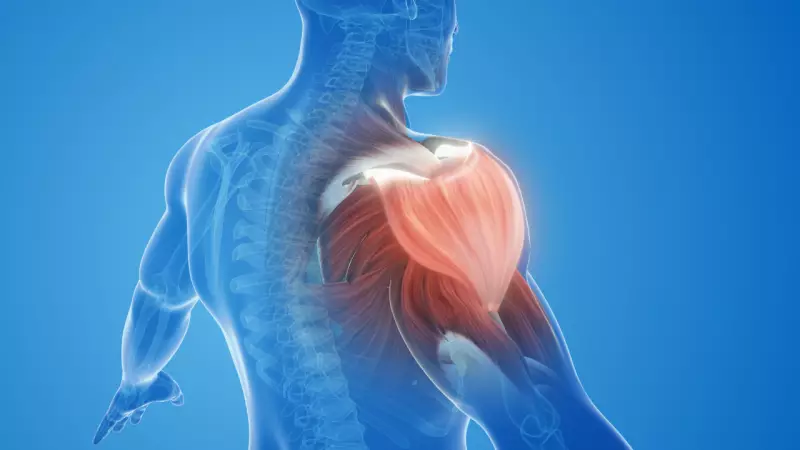
Have you observed a friend in their forties suddenly getting winded while climbing stairs they used to take two at a time? Or perhaps you've noticed your own arms straining with grocery bags that felt much lighter a few years ago? This gradual decline in strength isn't just fatigue or a busy schedule; it's often a sign of a silent condition called sarcopenia.
Sarcopenia refers to the progressive loss of skeletal muscle mass, strength, and function. Contrary to popular belief, it's not just a problem of old age. Scientific evidence confirms that this decline begins much earlier, often in our thirties, turning peak physical strength into a distant memory if proactive steps are not taken.
The Early Onset: Muscle Loss Begins in Your 30s
Many assume significant muscle wasting waits until retirement age. However, research indicates that the process accelerates between the ages of thirty and forty. From this point, adults can lose between three to eight percent of their muscle mass per decade. This rate often increases after the age of fifty, particularly without intervention.

The causes are multifaceted. Hormonal shifts, such as a natural decline in testosterone, play a key role. Modern, predominantly sedentary lifestyles mean muscles aren't being challenged regularly. Diets poor in quality protein fail to provide the essential building blocks for muscle repair and maintenance. Furthermore, chronic low-grade inflammation, often fueled by stress, obesity, or environmental factors like pollution, accelerates the breakdown of muscle tissue.
For India's urban population, the risk is pronounced. Traditional diets can be high in carbohydrates but sometimes lacking in adequate protein. Coupled with long hours at desk jobs and exposure to urban pollution, many Indians may experience an earlier and faster onset of sarcopenia.
Recognizing the Signs and Consequences
Initially, the changes are subtle. You might feel more tired after a routine walk or find it slightly harder to get up from a low chair. As it progresses, the weakness becomes more apparent in the arms and legs, balance may become unsteady on uneven surfaces, and everyday tasks like lifting objects become exhausting.
A particularly misleading sign can be stable body weight. As muscle mass shrinks, it can be replaced by fat, a condition sometimes called "sarcopenic obesity." This masks the underlying muscle loss while worsening metabolic health and increasing the risk of debilitating falls and loss of independence.
How to Fight Back: Simple, Effective Strategies
The good news is that sarcopenia is not an inevitable fate. It can be slowed, halted, and even reversed with consistent lifestyle changes. The cornerstone of prevention and treatment is resistance training.
Exercise Regimen: Aim for strength training exercises at least twice a week. Focus on major muscle groups with exercises that allow for 8 to 12 repetitions per set. You don't need a gym; start with bodyweight exercises:
- Half Wall Squats: Build leg strength. Stand with your back to a wall, feet shoulder-width apart. Slide down until your knees are bent at a 45-degree angle, hold, then push back up.
- Wall Push-Ups: Strengthen chest and shoulders. Face a wall, place hands flat at shoulder height. Bend elbows to bring your chest close to the wall, then push back.
- Seated Leg Lifts: Target thigh muscles. Sit tall in a chair, slowly extend one knee to straighten the leg, hold for two seconds, and lower it slowly.
- Chair Stands: Mimic daily movements. From a seated position, stand up without using your hands if possible, then sit back down with control. Repeat 10 times.
Nutrition is Key: Pair your exercise with a protein-rich diet. The body needs protein to repair and build muscle fibers stressed during workouts. Experts recommend aiming for 20 to 30 grams of high-quality protein per meal. For Indian diets, excellent sources include:

- Dal and pulses
- Paneer (cottage cheese)
- Eggs
- Chicken, fish, and lean meat
- Greek yogurt (dahi)
A general daily target is to consume roughly 1 gram of protein per kilogram of your body weight. Additionally, incorporate brisk walking for 30 minutes most days to boost overall metabolism and growth hormone activity.
Studies, including those cited by institutions like the Cleveland Clinic and published in journals like Frontiers, affirm that resistance training is the most powerful defense, potentially slowing muscle loss by half, even if started later in life. By addressing this issue proactively in your thirties and forties, you can ensure your sixties and beyond are marked by strength and independence, not frailty. The time to act is now.





