

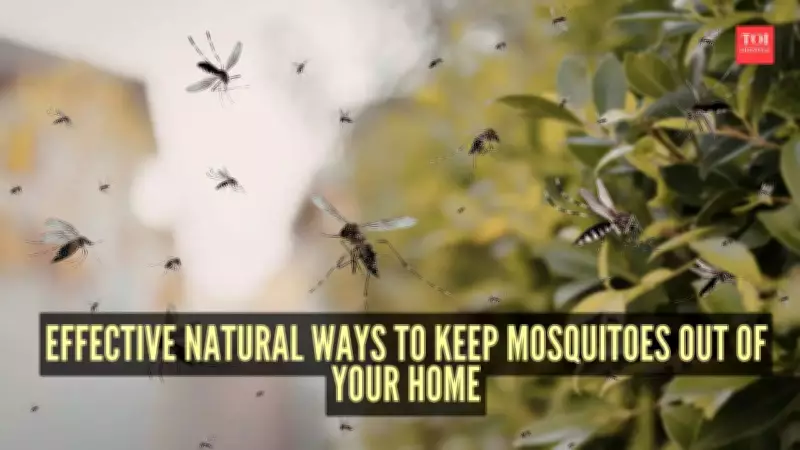
7 Natural Ways to Repel Mosquitoes from Your Home Without Chemicals
Mosquitoes are more than just a nuisance; they pose significant health risks by transmitting dangerous diseases such as Dengue, Malaria, and Chikungunya. While numerous chemical repellents are available on the market, many individuals prefer natural alternatives to safeguard their homes. Fortunately, several simple and highly effective natural methods can help repel these pests, creating a safer and more pleasant living environment.
Grow Mosquito-Repelling Plants
Certain plants emit strong odors that naturally deter mosquitoes. Popular options include Citronella, Tulsi (Holy Basil), Lavender, and Mint. By cultivating these plants near entry points like windows and doors, you can create a natural barrier against mosquitoes. Additionally, these plants serve as excellent air purifiers and add a touch of greenery to your home, enhancing both aesthetics and air quality.
Use Essential Oils as Natural Repellents
Essential oils offer another powerful tool in the fight against mosquitoes. Oils such as Lemongrass, Eucalyptus, and Tea Tree contain properties that mosquitoes find repulsive. You can create a homemade spray by mixing these oils with water and applying it around rooms. Alternatively, soaking cotton balls in the mixture and placing them near windows and doors can effectively prevent mosquitoes from entering your home.

Eliminate Standing Water
Mosquitoes breed in stagnant water, making its removal a critical step in mosquito control. Common breeding sites include flower pots, buckets, coolers, and clogged drains. By regularly checking and emptying these areas, you can disrupt the mosquito life cycle, preventing larvae from hatching and significantly reducing the mosquito population in your vicinity.
Burn Natural Mosquito-Repelling Smoke
Traditional practices often utilize natural smoke to repel mosquitoes. Burning dried neem leaves or using herbal incense releases odors that mosquitoes avoid. This method, commonly employed in rural areas, is particularly effective for outdoor spaces such as balconies, verandas, and gardens, providing a chemical-free way to enjoy these areas without mosquito interference.
Use Garlic Spray
Garlic contains natural sulfur compounds that mosquitoes tend to avoid. A simple homemade deterrent can be made by boiling crushed garlic in water, allowing it to cool, and then spraying the mixture around windows, plants, or outdoor areas. The strong scent acts as a natural barrier, discouraging mosquitoes from lingering in treated zones.
Install Window and Door Screens
Installing fine mesh screens on windows and doors is a straightforward yet highly effective method to keep mosquitoes out. These screens allow for proper ventilation while physically blocking mosquitoes and other insects from entering indoor spaces. This natural barrier reduces reliance on chemical repellents, promoting a healthier indoor environment.
Maintain Proper Cleanliness
Keeping your home and its surroundings clean is essential for mosquito control. Mosquitoes often seek resting places in garbage and overgrown vegetation. By maintaining tidiness, you eliminate potential hiding spots, making it difficult for mosquitoes to thrive. Regular cleaning, combined with other natural methods, can significantly reduce mosquito populations in and around your home.
In conclusion, chemical interventions are not necessary for effective mosquito prevention. The strategies outlined above—such as using repellent plants, essential oils, ensuring cleanliness, and eliminating standing water—offer eco-friendly alternatives that enhance home safety. By adopting these natural approaches, you can protect your household from mosquito-borne diseases while contributing to a healthier environment.






