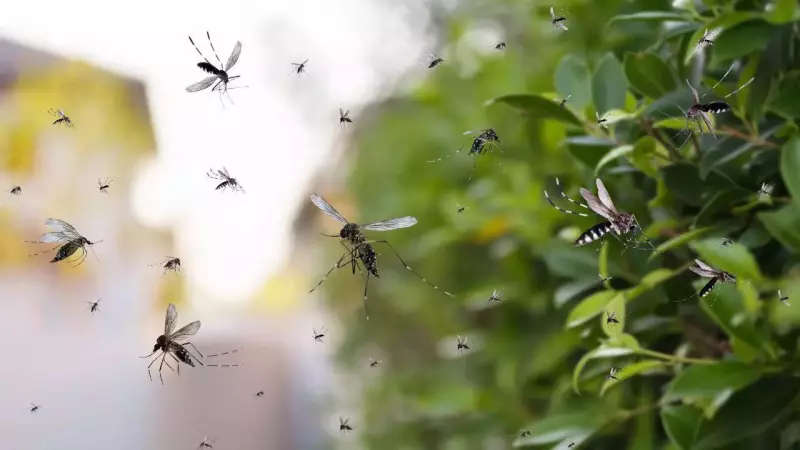
Mosquitoes have a knack for invading our peaceful moments. Just as you settle into a quiet evening with a cup of tea, the familiar, irritating buzz begins. The immediate reaction for many is to grab a chemical spray or light a coil, but these solutions come with their own drawbacks—persistent odors, potential headaches, and concerns over the safety of children and pets. This is where nature offers a gentler, more sustainable alternative: certain plants that can make your home less inviting to these pests.
How Do Plants Naturally Deter Mosquitoes?
Mosquitoes navigate the world primarily through scent, tracking carbon dioxide, body heat, and sweat to find their targets. Several plants release essential oils and natural fragrances that interfere with this ability. These scents act as a deterrent, confusing mosquitoes and making it harder for them to locate people. Unlike chemical repellents that wear off, these plants provide a constant, low-level defense simply by growing in your living space.
Top 5 Mosquito-Repelling Plants for Indian Households
1. Tulsi (Holy Basil): The Familiar Protector
Tulsi is a staple in many Indian homes, revered for its medicinal and spiritual significance. Its strong, aromatic scent is precisely what mosquitoes dislike. Placing a healthy Tulsi plant near windows, balconies, or entry points can help reduce the number of mosquitoes venturing inside. It is a hardy plant that thrives in pots, tolerates the Indian heat well, and requires minimal care, making it a practical and culturally resonant choice.

2. Lemongrass: The Citronella Powerhouse
The sharp, citrusy aroma of Lemongrass is refreshing to humans but effective at keeping mosquitoes at bay. This scent comes from citronella oil, a common ingredient in commercial repellents. Growing lemongrass near doors or in outdoor seating areas can create a less mosquito-friendly zone. It loves sunlight and regular watering. Brushing against its leaves releases more of its potent scent, enhancing its repellent effect.
3. Lavender: The Calming Deterrent
While humans find the fragrance of Lavender soothing and calming, mosquitoes are repelled by it. The plant's natural oils act as an effective deterrent. It works well when placed near bedroom windows or balconies where mosquitoes often enter in the evenings. Some people also use dried lavender in bowls or pouches indoors. It adds a gentle, pleasant aroma to your space without being overpowering.
4. Mint: The Fast-Growing Defender
Mint is known for its vigorous growth and spreading habit, which is useful for areas with persistent mosquito problems. The plant's strong, cooling scent is unappealing to mosquitoes. Keeping mint pots near kitchen windows, doors, or other entry points can help. If mosquito activity spikes, crushing a few leaves will release a stronger burst of the repellent aroma. Regular trimming actually promotes healthier, bushier growth.
5. Rosemary: The Dual-Purpose Herb
With its woody, herbal fragrance, Rosemary is another plant that mosquitoes tend to avoid. It grows well in sunny spots and is perfectly suited for pots on a windowsill or near outdoor seating. Beyond its mosquito-repelling qualities, rosemary is a wonderful culinary herb, adding a layer of practicality to its presence in your home.
Maximizing the Effectiveness of Your Plants
Strategic placement is key to getting the most out of these natural repellents. Focus on areas where mosquitoes are likely to enter or congregate: windows, doorways, balconies, and corners with stagnant air. Using a combination of different plants often yields better results than relying on just one type. It is important to have realistic expectations—plants are not a magical force field. They work to reduce and manage the mosquito population, making your home environment more comfortable and less reliant on chemical solutions.
Adopting this green approach is not about achieving perfection. It is about creating a calmer, fresher, and more natural living space. Over time, you may notice the difference: fewer bites, less frantic swatting, and more serene evenings. It’s a simple, sustainable shift towards coexisting peacefully with nature, on your own terms.