

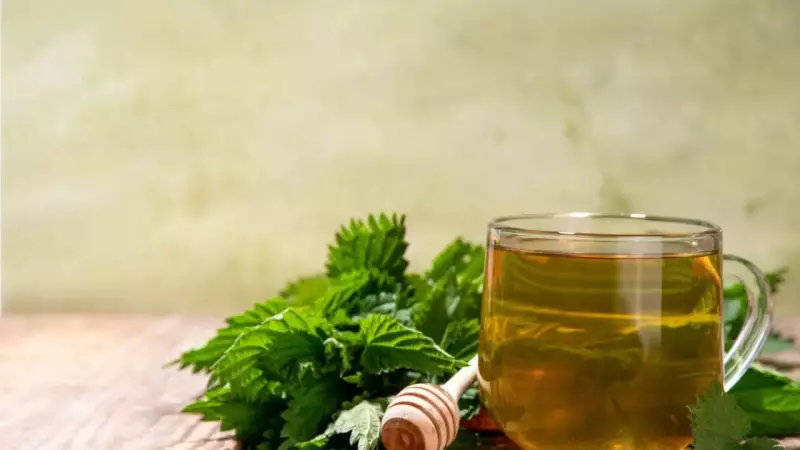
For centuries, a humble and often intimidating plant has been quietly brewing a revolution in traditional wellness. Nettle tea, derived from the leaves of the stinging nettle plant, is shedding its prickly reputation and gaining modern popularity as a nutrient-rich herbal infusion. While the fresh plant can deliver a painful sting, the process of drying or steeping the leaves completely neutralises this effect, resulting in a mild, earthy beverage packed with potential.
Unpacking the Health Benefits of Nettle Tea
This traditional herbal tea is not a cure-all, but incorporating it in moderation into a holistic health regimen can promote wellness in several key areas. Its value lies in its rich composition of plant nutrients, vitamins, and powerful antioxidants.
A Natural Support for Prostate and Urinary Health
One of the most notable traditional uses of nettle is in supporting men's health, particularly concerning the prostate. The herb contains compounds with hormonal properties that may interact with the process of converting testosterone to dihydrotestosterone, a hormone that fuels prostate enlargement. By potentially influencing this mechanism, nettle might help control the rapid expansion of the prostate gland.

A study published on ScienceDirect supports using nettle to alleviate common urinary symptoms associated with benign prostatic enlargement. These symptoms include a weak urinary flow, frequent urination at night (nocturia), and painful discharge. Furthermore, the tea's anti-inflammatory components can help reduce additional pressure on the bladder and urethra. Experts emphasise that while initial results are positive, nettle tea should be considered an auxiliary remedy, not a standalone treatment, for this condition.
Broad Spectrum Wellness: From Allergies to Blood Pressure
The benefits of nettle tea extend far beyond prostate health. Preliminary, small-scale research suggests it may positively affect blood glucose levels in people with diabetes, likely due to compounds that influence insulin action. However, this research is currently inconclusive, and the tea must not be considered a supplement for diabetic treatment. Medical consultation is essential before use.
For those battling mild allergies, nettle tea offers an alternative approach. Its properties may help combat inflammation and modulate histamine effects, making it a helpful supplement alongside conventional care. Similarly, some advocate for its role in maintaining healthy blood pressure due to its effects on blood vessels and bodily fluids. Crucially, it is not an alternative to prescribed blood pressure medication, and a physician must be consulted before consumption.
Eye health also gets a potential boost from nettle's antioxidants, like lutein and zeaxanthin, which are documented to protect against oxidative damage and age-related decline. Yet, it cannot replace professional eye care practices.
How to Prepare and Who Should Avoid It
Preparing nettle tea safely is straightforward. Always use tea bags or dried leaves from a reputable supplier. Pour one cup of boiling water over one teaspoon of dried leaves, cover, and steep for 5-10 minutes. Strain the leaves if using loose herbs—this step is important. A longer steeping time yields a stronger taste and richer nutrients. Honey or lemon can be added for flavour.
Certain individuals should exercise caution or avoid nettle tea altogether. This includes people on blood-thinning, blood-pressure, diuretic, or diabetic medications; those with a known allergy to nettle or related plants; and pregnant women unless advised by a healthcare provider. Anyone with chronic medical issues should seek professional advice before trying it.
Disclaimer: This information is for educational purposes only and is not medical advice. Always consult a qualified healthcare professional before starting any new herbal supplement or changing your health regimen.






