

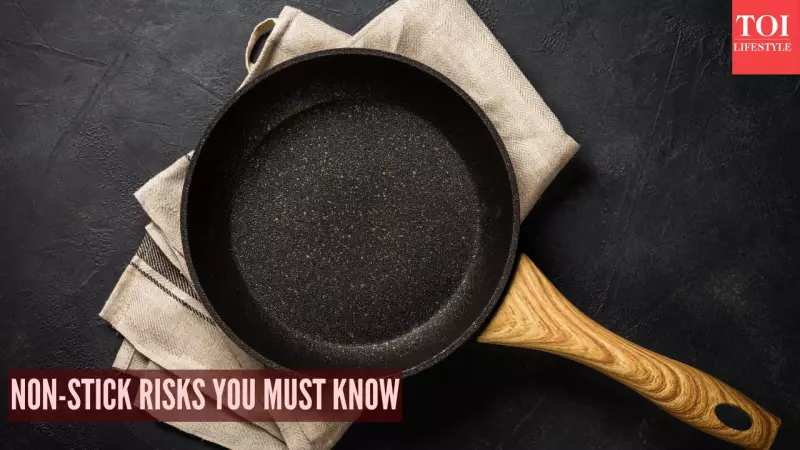
Non-stick cookware has transformed kitchens across India, promising effortless cooking and easy cleaning. The appeal of using little to no oil and avoiding stuck-on food is undeniable. However, this everyday convenience masks a complex chemical reality that many home cooks are unaware of, including significant health risks linked to misuse.
The Science Behind Your Non-Stick Pan
Dr. Anshuman Kaushal, MD FACS, a surgeon and health advocate, sheds light on the science to ensure safe usage. The signature coating on most non-stick pans is made from PTFE, a synthetic fluoropolymer widely known by the brand name Teflon. This material is hydrophobic, chemically inert, and has an extremely low surface energy, which is what prevents food from sticking.
At normal cooking temperatures, typically between 180 and 250 degrees Celsius, PTFE remains stable. Major food safety bodies like the FDA and the European Food Safety Authority (EFSA) have evaluated and confirmed this stability, deeming it safe for regular cooking use.

When Convenience Turns Toxic: Overheating and PFOA
The primary danger emerges from overheating. When a non-stick pan exceeds 400 degrees Celsius, the PTFE coating begins to break down through thermal decomposition. This process releases ultrafine particles and harmful fluorinated gases into the air.
Inhaling these fumes can lead to polymer fume fever, a condition with flu-like symptoms such as chills, fever, malaise, and a metallic taste in the mouth. Dr. Kaushal strongly warns against common habits like heating an empty pan on a high flame or preheating it while empty, as these can easily push temperatures into the danger zone.
Another historical concern is PFOA (perfluorooctanoic acid), a chemical once used in manufacturing non-stick coatings. Studies have linked PFOA exposure to serious health issues, including kidney and testicular cancers, thyroid problems, immune system disruption, and pregnancy complications. Although a global ban was implemented in 2020 and most reputable brands now sell PFOA-free products, the risk persists with cheaper, unregulated cookware, especially in markets with inconsistent quality checks.
Scratches, Microplastics, and Essential Safety Tips
Damage to the coating introduces another layer of risk. Scratches, chips, or peeling can cause small PTFE particles to flake off into food. While current research suggests these particles are not readily absorbed by the body, their long-term health impact remains uncertain. Dr. Kaushal's advice is clear: immediately discard any pan with a compromised surface.
Furthermore, the degradation of coatings can contribute to microplastic pollution, a growing area of scientific concern. To maximize safety and the lifespan of your cookware, Dr. Kaushal recommends a set of crucial practices:
- Cook on Low to Medium Heat: High heat is unnecessary and dangerous for non-stick surfaces.
- Never Preheat an Empty Pan: Always have food, oil, or water in the pan before heating.
- Use Gentle Utensils: Avoid metal or sharp tools. Opt for wood, silicone, or nylon.
- Replace Damaged Pans Promptly: Do not use scratched or peeling cookware.
- Choose Trusted Brands: Invest in certified, PFOA-free products from reliable manufacturers.
He also dispels the myth that non-stick cooking requires zero oil. A small amount of oil or fat enhances cooking performance and helps absorb fat-soluble nutrients, improving both flavor and texture.
Dr. Anshuman Kaushal, with over twenty years of clinical experience, emphasizes that knowledge and careful practice are as vital in the kitchen as the ingredients we use. By understanding the chemistry of our cookware and respecting its limits, we can enjoy its convenience without compromising our health. For those seeking alternatives, ceramic-coated, stainless steel, or cast iron cookware offer safer options for various cooking styles.






