

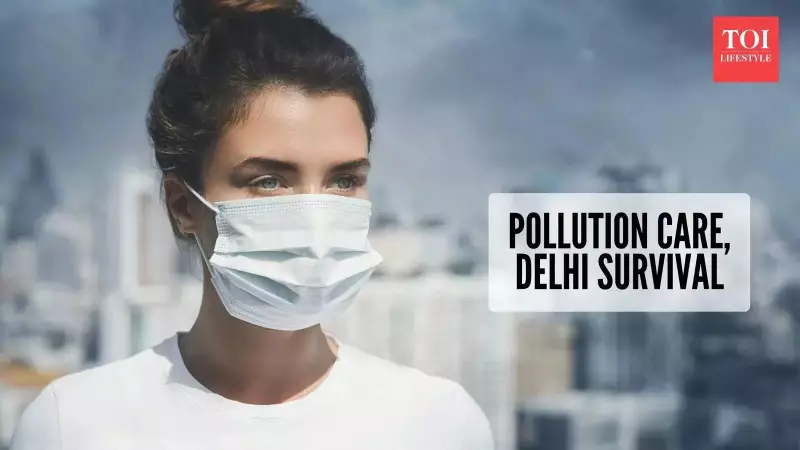
For residents of Delhi, the hazardous air quality is more than just a seasonal nuisance or a headline. It's a persistent, slow-acting stressor that infiltrates daily life, affecting everything from lung capacity and skin health to energy levels and hair vitality. Nutritionist Sakshi Lalwani, who works outdoors in this environment daily, approaches pollution not as an unavoidable evil but as a manageable threat through consistent, practical routines.
The Daily Defence Kit: A Pollution 'Prep Bag'
Sakshi Lalwani advocates for a proactive, armour-like approach before even stepping outside. Her strategy is built on a simple yet effective "prep bag" containing essentials designed to minimise direct exposure. The cornerstone is a properly fitted N95 mask, crucial for filtering out the fine particulate matter (PM2.5) that penetrates deep into the lungs.
Protection extends to the eyes with sunglasses that shield against dust causing irritation and watering. For the nasal passages, a saline nasal spray helps wash away pollutants before they settle. She also recommends a traditional practice with modern relevance: applying a light layer of ghee inside the nostrils. This acts as a natural barrier, trapping particles and combating the dryness exacerbated by polluted air. Completing the routine, steam inhalation at home soothes airways irritated after a day spent outside.

Internal Support: Nutrients Over Detox Myths
Moving beyond external barriers, Sakshi focuses on internal support through nutrition, dismissing trendy 'detox' cleanses. She emphasises specific nutrients with scientifically-backed roles. Vitamin C is highlighted for bolstering the body's antioxidant defences, while N-Acetylcysteine (NAC) is noted for helping manage the oxidative stress triggered by polluted air.
To prevent the throat dryness that worsens coughing, she suggests a simple hydrating electrolyte mix. Furthermore, her regimen includes herbal teas with tulsi (holy basil), mulethi (licorice root), and ginger. These are not presented as cures but as gentle aids to calm inflammation and support respiratory comfort.
Skin and Hair Care in a Polluted Environment
The impact of Delhi's air is visibly stark on skin and hair. High AQI levels often manifest as acne, redness, and a dull complexion. Sakshi's skin care philosophy prioritises barrier repair over harsh treatments. Using oils like squalane or jojoba can mimic the skin's natural sebum and reduce irritation. A non-negotiable step is sunscreen, which serves as a physical shield against both UV rays and pollutants, alongside practical measures like wearing full sleeves.
For hair, pollution particles settle on the scalp, weakening roots over time. Creating a pre-emptive barrier by lightly oiling the scalp with mustard or coconut oil before heading out can help. Covering the head with a scarf or cap provides direct protection. Internally, nutrients like zinc, omega-3 fats, til (sesame) seeds, and walnuts support follicle strength. She cautions against over-washing, which can strip natural oils and worsen dryness.
The Power of Consistent Daily Habits
Sakshi Lalwani's core message is that while complete avoidance of pollution in a city like Delhi is impossible, consistent daily habits can significantly reduce long-term damage. The cumulative effect of covering exposed skin, rinsing the nose after exposure, and staying hydrated helps the body reset and cope. She stresses that consistency matters far more than investing in expensive products. These small, deliberate actions form a sustainable defence system against the chronic irritation posed by toxic air.
Disclaimer: This article is intended for general awareness only and is not a substitute for professional medical advice. Individuals with pre-existing conditions such as asthma, heart disease, or chronic lung issues should consult their healthcare provider for personalised guidance.






