

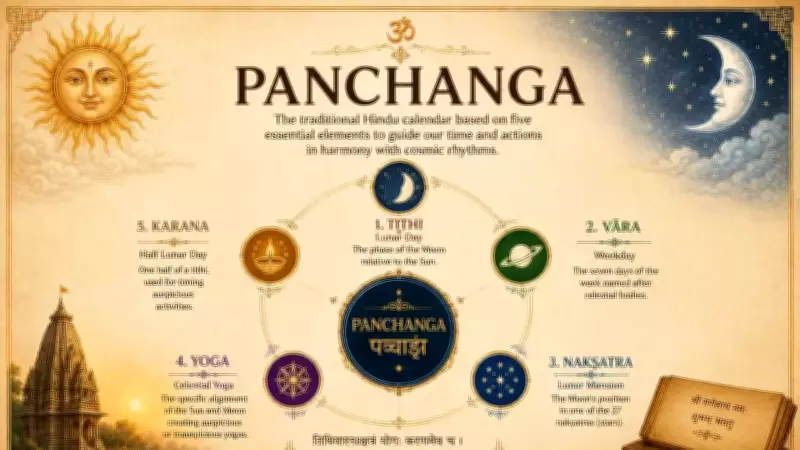
Panchang Today serves as your everyday compass, drawn from the quiet mathematics of the Hindu calendar and the living wisdom of tradition. It reveals the kind of day the Moon is shaping, when the mind runs fast, when emotions deepen, and when actions land with better grace. For many in India, this is a small way of staying rooted, even on packed workdays and noisy commutes. Read it like you would read the sky before a journey. Make choices with awareness, not rush. Below are the important Panchang details for June 16, 2026, for India.
Date & Day Details
Tuesday arrives with Shukla Paksh 2 (Dvitiya), which ends on June 17, 2026, at 00:52:43, followed by Shukla Paksh 3 (Tritiya). Dvitiya in the bright fortnight has a fresh, settling quality. The Moon is growing but still early, like a sapling finding its direction. This tithi supports starting small and steady efforts, repairing relationships, setting routines, and doing work that needs follow-through rather than drama. It is good for planning a purchase list, making a study timetable, or restarting a health habit. Grand declarations can wait; quiet consistency wins.
The Nakshatra is Ardra, ending at 16:12:27, after which Punarvasu begins. Ardra is ruled by Rudra, a fierce form of Shiva, and its energy is known for cleansing storms. It can stir the mind, bring sudden realizations, and push out what is stale. That is why Ardra suits research, problem solving, intense learning, and truth telling. It also means emotions can spike if you keep everything bottled up. Ask yourself: do you need to speak, or do you need to breathe and pause? After 16:12:27, Punarvasu brings a softer reset. It is a homecoming star linked with renewal and return. Late afternoon onwards, conversations can become kinder, and solutions show up with less friction.

The Moon sign begins in Gemini 13.0 and transitions at 08:13:18 into Cancer. This is the day’s big emotional turn. Before 08:13:18, Gemini mood is chatty and restless. You will want to message people, clear emails, and jump between tasks. After the Moon moves to Cancer, feelings get fuller and more protective. Family matters, food choices, and comfort become louder themes. You may prefer familiar work over risky experiments. Listen to that shift; it is not laziness but the Moon asking for emotional safety.
Yoga is Vriddhi, ending at 00:34:59, followed by Dhruva. Vriddhi is about expansion, growth, and “more.” It is great for building momentum but can also inflate expectations. Dhruva that follows supports steadiness and long-term focus. Karana changes from Balava until 14:39:21, then Kaulava until 00:52:43. Balava helps with practical, grounded tasks. Kaulava adds a social, cooperative flavor suitable for teamwork and family coordination. The sky is basically saying: start with clear thinking, then move into caring decisions, then end the day with steady, anchored intent.
Auspicious Timings (Shubh Muhurat)
If you want the day to feel less scattered, begin with Brahma Muhurta from 03:45:09 to 04:26:21. This is the quietest stretch when the mind is less crowded. Prayer, japa, or even silent reading lands well here. Just remember Varjyam runs from 02:55:17 to 04:17:15, so keep the first part simple. A bath, a lamp, a short Shiva mantra, then step into deeper practice after 04:17:15.
Pratah Sandhya from 04:05:45 to 05:07:33 is ideal for your morning rituals, Surya arghya, and setting a clean intention for the day. There is also Siddha Yoga from 00:53:17 to 05:07:42, which supports actions that you want to “stick,” like starting a disciplined study plan or committing to a health routine.
Amrit Kalam from 07:26:02 to 08:50:14 is a sweet pocket for important phone calls, sending proposals, paying a bill you have been postponing, or beginning travel. It also overlaps with the Moon sign shift at 08:13:18, so use the earlier part for crisp decisions and the later part for gentle, relationship-minded choices.
Midday brings Abhijit Muhurta from 11:31:09 to 12:25:57. This is the classic window for overcoming delays. If you must sign something, present an idea in a meeting, or ask for support from a senior, this is your friend. Vijay Muhurta from 14:15:33 to 15:10:21 supports victory through effort. It is great for interviews, competitive exams, target-based work, or finishing a task your team is watching.

Evening is blessed by Godhuli Muhurta from 18:49:58 to 19:10:34 and Sayahana Sandhya from 18:49:58 to 19:51:46. Light a diya, do a small gratitude prayer, or simply sit with family without your phone. Nishita Muhurta from 23:38:22 to 00:19:34 suits deep spiritual practice and introspection.
Tri Pushkara Yoga runs from 16:13:17 to 00:52:17, which can multiply results of actions taken then. Choose wisely because results can echo. Choghadiya also guides the day. For auspicious day periods, Laabh at 10:15, Amrit at 11:58, and Shubh at 15:23 support productive work, purchases for daily needs, and meaningful beginnings. At night, Laabh at 20:06, Shubh at 22:41, and Amrit at 23:58 favor calm discussions, study, and peaceful prayer.
Inauspicious Timings
Rahu Kalam is marked from 15:23 to 17:06. Another listing shows Rahu Kaal from 15:24:21 to 17:07:09. Treat this late afternoon band as your caution zone either way. Rahu energy clouds judgment and creates shortcuts that look tempting. Do not launch a new venture, sign contracts, or make a big financial decision in this window. Keep your wallet closed today in Rahu Kaal, especially for impulse shopping or speculative buys.
What can you do instead? Do routine work, clear pending emails, organize your workspace, and keep your mind steady. If you feel anxious, sit for a few minutes and chant the Rahu mantra, “Om Raam Rahave Namaha.” Even a short round helps. Meditation, breathwork, and quiet reading suit this time.
Yamaganda runs from 08:33:09 to 10:15:57. Avoid starting brand new tasks then, especially ones that need goodwill from others. Use it for continuing work already in motion. Gulkai Kaal is from 11:58:45 to 13:41:33, another stretch where avoidable risks can bite. If you are traveling, keep your documents ready and do not rush. Double-check messages before sending.
Dur Muhurtam appears twice, from 07:51:57 to 08:46:57 and again from 22:57:10 to 23:38:10. These periods can bring friction, misunderstandings, or an off mood. Do not pick fights at home or at work then. If someone triggers you, step back. Drink water, take a short walk, and return with a cooler head.
Varjyam from 02:55:17 to 04:17:15 is a no-nonsense time. Avoid important beginnings and heavy decisions. Aadal Yoga runs from 05:07:33 to 16:12:17 and Vidaal Yoga from 16:13:17 to 05:07:42. You can feel a push and pull; one part of the day may feel scratchy, then later it changes tone. Baana (Mrityu) from 14:00:33 to 05:07:42 reminds you not to tempt fate. Avoid risky driving, avoid shortcuts with safety, and do not ignore minor health symptoms.
Choghadiya inauspicious periods also matter. In the day, Rog at 05:07, Udveg at 06:50, Kaal at 13:40, and Rog at 17:06 are better kept for routine chores, not for new starts. At night, Kaal at 18:49, Udveg at 21:23, Rog at 26:32, and Kaal at 27:50 suggest you should avoid dramatic conversations and late-night overthinking. Sleep on big decisions.
Rahu Kaal Timings Across India
Rahu Kaal changes across India because it is calculated from local sunrise, and sunrise differs from place to place due to longitude. So even on the same date, one region’s Rahu Kaal will not perfectly match another’s. The table below shows Rahu Kaal for major Indian cities, so you can follow the timing closest to your location and plan your key work accordingly.
- Mumbai: 15:57 - 17:37
- Delhi (NCR): 15:50 - 17:35
- Bengaluru: 15:33 - 17:09
- Hyderabad: 15:33 - 17:12
- Chennai: 15:22 - 16:59
- Ahmedabad: 16:02 - 17:44
- Pune: 15:53 - 17:32
- Kolkata: 14:59 - 16:40
- Jaipur: 15:54 - 17:37
- Kochi: 15:35 - 17:11
- Lucknow: 15:33 - 17:17
- Indore: 15:49 - 17:30
- Guwahati: 14:49 - 16:32
- Chandigarh: 15:54 - 17:40
- Surat: 15:59 - 17:40
- Visakhapatnam: 15:14 - 16:53
- Nagpur: 15:34 - 17:15
- Coimbatore: 15:33 - 17:09
- Varanasi: 15:23 - 17:06
- Bhubaneswar: 15:07 - 16:47
Sunrise, Sunset, Moonrise & Moonset
Sunrise is at 05:07:19 and sunset is at 18:49:11. These are not just clock times; they are daily thresholds. Sunrise is your reminder to begin clean, even if the mind feels stormy under Ardra. If your morning gets messy, come back to the breath and reset. Evening sunset at 18:49:11 is the day’s natural closure, the sky’s way of telling you to put down some burdens.
Moonrise is at 05:56:00 AM, soon after sunrise, which can make the mind feel awake early and a bit full of thoughts. Use that awareness well. Write down priorities, keep your to-do list realistic, and do not try to do ten things at once. Moonset is given as 07:28:28 PM, June 15, which reminds us that lunar influences do not always line up neatly with our daily assumptions. The Moon’s rhythms stretch across nights and mornings, and our emotions do the same. Pay attention to the Moon sign shift at 08:13:18 too. Early hours suit communication and learning. Later hours suit home, care, and steady work that needs patience.
Vrat/Festival Information & Recommendations
No major Vrat or festival is observed today. The Hindu month in the amanta system is Jyeshtha, a month that often feels like dry heat outside and strong heat inside. Jyeshtha energy asks for restraint, hydration, and humility. It is a good time to simplify habits, reduce unnecessary spending, and clean up the small messes that become big later.
With Shukla Dvitiya and Ardra, relationships may need gentle handling. Words can come sharp, even if you do not mean them that way. Before you reply to a family message or a partner’s complaint, pause and ask: what are they really asking for—attention or a solution? After 08:13:18, when the Moon moves into Cancer, people around you may seek reassurance. Give it in simple ways. A warm meal, a sincere check-in call, or helping with a household task counts more than grand speeches.
On the work front, the day supports research, fixing bugs, cleaning data, and completing tasks that have been lingering. Use the sharper Ardra mind to solve one tough problem before lunch. Your boss will notice the person who brings clarity when others are confused. Keep meetings factual, not emotional, especially during Dur Muhurtam from 07:51:57 to 08:46:57 and during Rahu Kalam from 15:23 to 17:06. If you must negotiate, aim for Abhijit Muhurta from 11:31:09 to 12:25:57 or Vijay Muhurta from 14:15:33 to 15:10:21.
Spiritually, this is a fine day for Shiva sadhana because Ardra’s deity is Rudra. If you can, offer water to Shiva in the morning, even a small gesture with faith. In the evening, during Godhuli Muhurta from 18:49:58 to 19:10:34, light a diya and let the mind settle. Tri Pushkara Yoga from 16:13:17 to 00:52:17 can amplify outcomes, so choose actions that you will not regret repeating. Kindness, discipline, and clean speech.
Keep your day simple, drink enough water, and do not start anything risky in Rahu Kalam. Take one meaningful task, finish it properly, then end the evening with a short prayer and an early bedtime. Get the latest astrology news and horoscope updates. Download the TOI App.
About the Author
AstroDevam is a premium organization providing ancient and authentic knowledge of Astrology, Vastu, Numerology, and Innovative Corporate Solutions with a contemporary perspective. AstroDevam, having patrons in more than 100 countries, has been promoted by Achary Anita Baranwal and Achary Kalki Krishnan, who not only have Master's Degrees in Astrology but are engaged in teaching Scientific Astrology, Vastu, and Numerology for more than three decades.





