

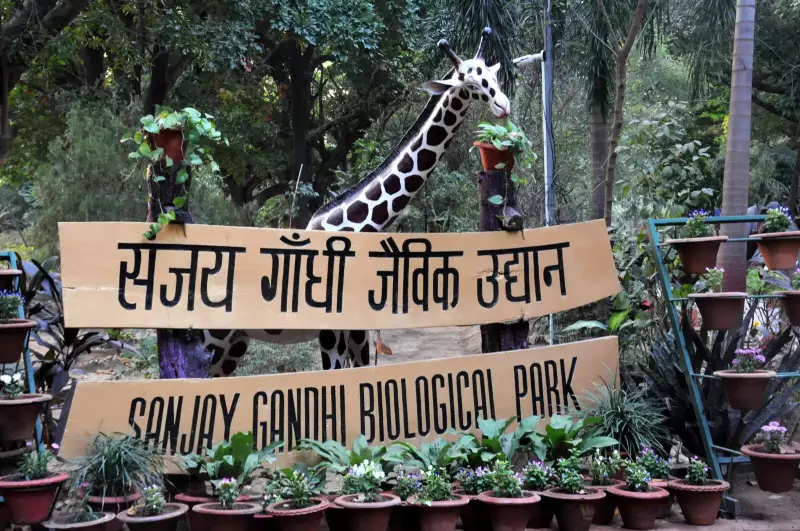
As temperatures plummet across Bihar's capital, the Sanjay Gandhi Biological Park, widely known as Patna Zoo, has activated an extensive and upgraded winter protection plan for its animal residents. The zoo administration has left no stone unturned to ensure the well-being of its diverse species during the harsh cold season.
Comprehensive Upgrades in Shelter and Warmth
This year, the zoo has introduced three significant infrastructural improvements to combat the cold. Fifty oil heaters have been installed, completely replacing older blower systems, in the enclosures of sensitive animals. These heaters are now operational in the night houses of big cats, primates, sloth bears, leopards, Himalayan black bears, gharials, and other vulnerable species.
Zoo director Hemant Patil detailed the efforts, stating that all night shelters have been insulated with empty jute gunny bags and thick layers of paddy straw and wheat husk. This barrier is designed to prevent any cold air from entering the animals' resting spaces. Furthermore, UV lights have been fitted in the night shelters to provide consistent warmth after sunset.

Special attention has been given to reptiles. Their display areas and night houses are now fully covered with fluorescent sheets and agro-nets to block chilly drafts. Inside, a combination of oil heaters and UV lights works to maintain an ideal, stable temperature for these cold-blooded inhabitants.
Revamped Diet Plan for Heat and Immunity
Beyond physical modifications, the zoo has completely redesigned the dietary regimen for its animals to boost body heat and strengthen immunity. The nutrition plan is now species-specific:
- Carnivores are receiving extra portions of meat daily.
- Herbivores are being fed a mix of soybean, seasonal fruits, maize, and gram.
- Bears enjoy a special treat of honey, jaggery, sugarcane, and groundnuts.
- Elephants get sugarcane and jaggery supplements along with their regular fruit basket.
- Primates are served boiled eggs, Chyawanprash, dry fruits, and warm kheer.
- Birds are provided with superworms, lukewarm water, and high-protein feed.
Director Patil emphasized that every necessary step has been taken. "From heaters and straw beds to UV lights and an enriched diet – we have left nothing to chance this winter," he affirmed.
Enhanced Veterinary Care and Monitoring
The zoo's veterinary team has intensified its health protocols. Daily health checks and temperature monitoring are being conducted for all animals, alongside routine deworming. Elderly animals, newborns, and primates are under additional scrutiny to catch any signs of cold-related distress early.
To address the problem of low humidity, which often troubles animals in winter, the zoo is also utilizing foggers and humidifiers. This holistic approach ensures that the animals remain not only warm but also comfortable in a controlled environment.
The proactive and multi-layered strategy at Patna Zoo highlights a modern, compassionate approach to animal husbandry, setting a benchmark for wildlife care during extreme weather conditions in the region.






