

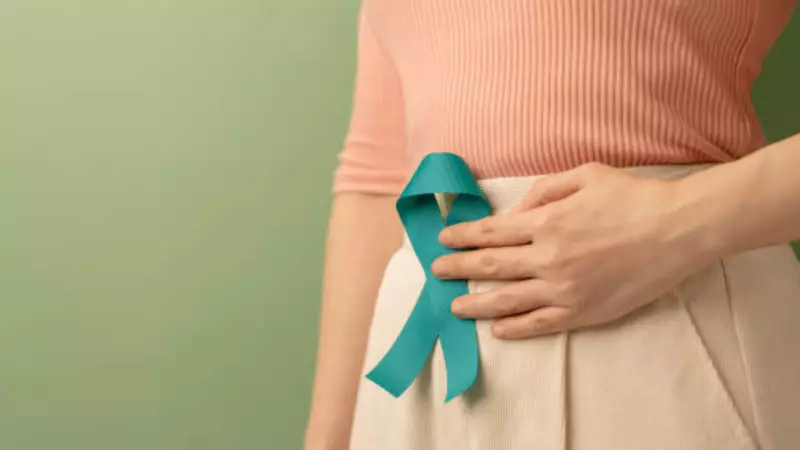
The Silent Struggle: Understanding PCOS in Indian Women
Polycystic Ovary Syndrome (PCOS) represents one of the most prevalent yet underdiscussed health challenges facing women in contemporary India. This complex hormonal disorder quietly affects approximately one in five Indian women, creating a significant public health concern that often goes unrecognized for years. The subtle nature of its symptoms combined with societal taboos surrounding women's health issues contributes to widespread underdiagnosis and misunderstanding.
Why PCOS Remains Hidden in Plain Sight
The insidious nature of PCOS lies in its ability to masquerade as common lifestyle complaints. Many women experience symptoms like weight gain, mood fluctuations, irregular menstrual cycles, and persistent fatigue without realizing these could indicate a deeper hormonal imbalance. As Dr. Nidhi Rajotia, Senior Consultant in Obstetrics and Gynaecology at Artemis Hospitals, explains: "Many women have polycystic ovary syndrome but people often don't understand what its symptoms mean. Many people think these changes are just because of lifestyle, stress and normal hormonal changes."
This diagnostic delay stems from multiple factors:

- Limited awareness in educational institutions about reproductive health
- Familial dismissal of symptoms as "puberty issues" or normal bodily changes
- Personal normalization of symptoms as consequences of stress or aging
- Lack of open conversation about women's hormonal health in society
The Multifaceted Symptoms Often Misinterpreted
PCOS manifests differently across individuals, creating a diagnostic challenge. The condition's variability means women may experience distinct combinations of symptoms, all stemming from the same underlying hormonal disruption.
Metabolic and Physical Indicators
- Unexplained Weight Gain: PCOS frequently causes insulin resistance, where the body becomes less responsive to insulin. This metabolic shift leads to increased fat storage, particularly around the abdominal region. Women often attribute this weight gain to dietary habits or insufficient exercise, not recognizing it as a medical symptom resistant to conventional dieting approaches.
- Menstrual Irregularities: The hormonal imbalance disrupts normal ovulation patterns, resulting in irregular, missed, or unusually heavy periods. Many women dismiss these changes as stress-related or weight-related variations rather than potential indicators of PCOS.
- Dermatological Changes: Elevated androgen (male hormone) levels can trigger persistent acne, especially along the jawline, chin, and back. Similarly, hirsutism (excessive facial or body hair growth) and hair thinning or loss represent visible manifestations of hormonal imbalance often mistaken for genetic traits or stress responses.
Psychological and Energy-Related Symptoms
Beyond physical changes, PCOS significantly impacts mental wellbeing and daily functioning:
- Mood Fluctuations: Hormonal imbalances directly affect neurotransmitter regulation, leading to irritability, anxiety, and depressive symptoms often misattributed to emotional instability or life stressors.
- Persistent Fatigue: The combined effects of hormonal disruption and insulin resistance create profound energy depletion. Many women normalize this exhaustion as an inevitable consequence of modern, fast-paced living rather than recognizing it as a medical symptom requiring attention.
Toward Better Recognition and Management
The path forward requires concerted efforts across multiple dimensions. Increased awareness through educational initiatives, open conversations about women's health, and improved medical literacy can help bridge the diagnostic gap. As Dr. Rajotia emphasizes: "If you are able to identify the signs of PCOS early on and receive assistance from a doctor, you will be better equipped to manage PCOS and to live a healthier life long term."

Recognizing that symptoms like unexplained weight changes, menstrual irregularities, persistent acne, excessive hair growth, mood disturbances, and chronic fatigue might indicate PCOS represents the first crucial step toward appropriate medical consultation and management. Breaking the silence surrounding this common condition can empower women to seek timely care, ultimately improving health outcomes and quality of life for millions across India.





