

Understanding PCOS: A Comprehensive Look at Common Symptoms
Polycystic Ovary Syndrome (PCOS) is a prevalent hormonal disorder that impacts a significant number of women globally, often leading to various physical and metabolic symptoms. This condition is characterized by an imbalance in reproductive hormones, which can cause issues with the ovaries and disrupt regular menstrual cycles. Recognizing the signs early is crucial for effective management and treatment.
Key Symptoms of PCOS Explained
The manifestations of PCOS can vary widely among individuals, but several core symptoms are frequently observed. These include skin-related issues, changes in hair growth, and irregularities in the menstrual cycle.
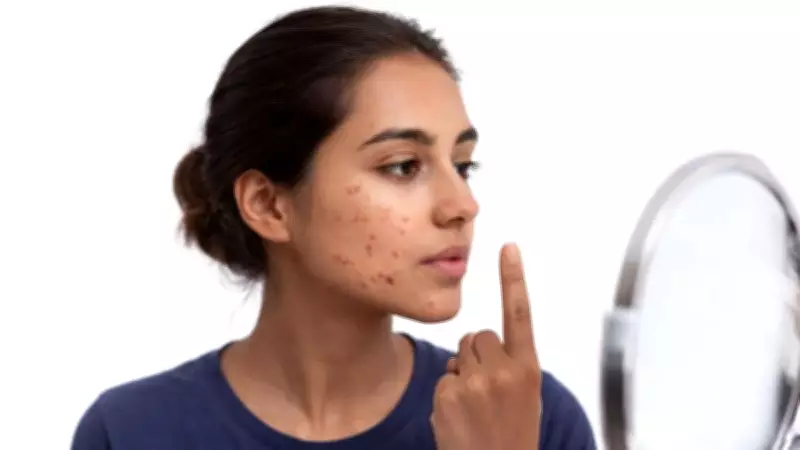
- Acne: One of the most visible symptoms, acne in PCOS is often persistent and severe. It occurs due to elevated levels of androgens, or male hormones, which increase oil production in the skin, leading to clogged pores and breakouts.
- Facial Hair: Excessive hair growth on the face, known as hirsutism, is another common sign. This is also driven by high androgen levels, causing hair to grow in areas typically associated with male patterns, such as the chin, upper lip, and cheeks.
- Irregular Periods: Women with PCOS often experience irregular menstrual cycles, which may include infrequent periods, prolonged cycles, or even the absence of menstruation. This is due to the ovaries not releasing eggs regularly, affecting ovulation.
Other Associated Symptoms and Health Implications
Beyond the primary symptoms, PCOS can lead to additional health concerns that require attention.

- Weight Gain: Many individuals with PCOS struggle with weight management, particularly around the abdomen. This is linked to insulin resistance, a common feature of the syndrome.
- Infertility: Irregular ovulation can make it challenging to conceive, making PCOS a leading cause of infertility in women.
- Metabolic Issues: PCOS is associated with an increased risk of type 2 diabetes, high cholesterol, and cardiovascular diseases due to insulin resistance and hormonal imbalances.
- Mood Changes: Hormonal fluctuations may contribute to anxiety, depression, and mood swings, affecting overall mental well-being.
Early diagnosis and a holistic approach to management, including lifestyle changes and medical interventions, can help mitigate these symptoms and improve quality of life. Consulting healthcare professionals is essential for personalized treatment plans.






