

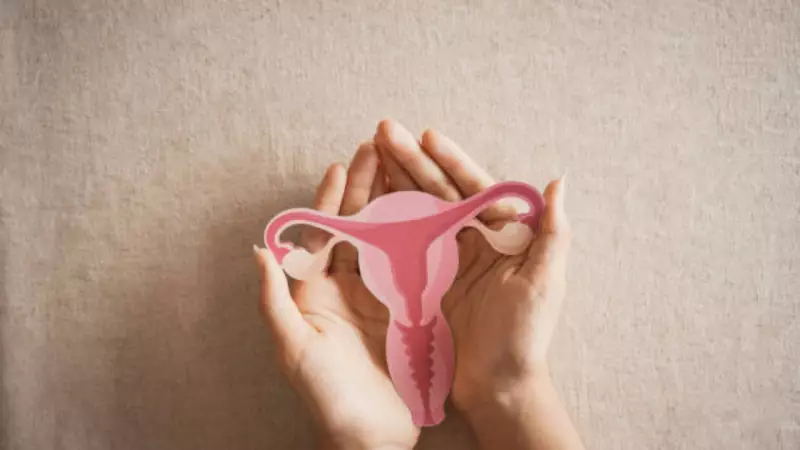
Polycystic Ovary Syndrome (PCOS) affects a significant number of women, yet its symptoms are frequently misunderstood or dismissed as consequences of a hectic lifestyle, stress, or normal hormonal fluctuations. Dr. Nidhi Rajotia, Sr. Consultant - Obstetrics & Gynaecology at Artemis Hospitals, emphasises that these signs, which impact weight, mood, skin, and menstrual cycles, are often not recognised for what they truly indicate: a underlying hormonal condition requiring medical attention.
Beyond Lifestyle: The Hidden Signs of PCOS
Early identification of PCOS is crucial for effective long-term management. However, the condition's manifestations are commonly attributed to everyday causes, leading to delayed diagnosis. Here are the key symptoms that women should be aware of, moving beyond common misconceptions.
Unexplained Weight Gain and Insulin Resistance
One of the most confusing signs is sudden weight gain that seems resistant to diet and exercise. PCOS often causes insulin resistance, where the body's cells don't respond properly to the insulin hormone. This inefficiency prompts the body to store more fat, particularly around the abdominal area. Many women blame themselves for overeating or lack of physical activity, but this PCOS-related weight gain can occur even without any change in lifestyle and is notably stubborn to shed through conventional methods.

Emotional Turbulence and Hormonal Havoc
Frequent irritability, anxiety, or sudden bouts of sadness are not merely emotional instability or everyday stress. These mood swings are directly linked to the hormonal imbalance characteristic of PCOS. Fluctuations in estrogen and progesterone levels can alter brain chemistry, affecting the neurotransmitters that regulate mood. Recognising this physiological root cause is the first step toward addressing it correctly, rather than dismissing it as a personal failing.
Disrupted Menstrual Cycles
Irregular, missed, or abnormally heavy periods are a classic red flag. While stress or weight fluctuations can sometimes disrupt the cycle, PCOS frequently interferes with regular ovulation. Consistently long cycles, months without a period, or excessively heavy flow are not normal and typically signal a significant hormonal imbalance that needs evaluation.
Physical Manifestations Often Overlooked
The impact of elevated androgen (male hormone) levels in PCOS presents several physical symptoms that are often misdiagnosed.
Persistent adult acne and unusually oily skin, especially along the jawline, chin, and back, are frequently mistaken for simple skin issues. However, when breakouts are painful, stubborn, and severe, they can point directly to PCOS.
Similarly, hair thinning or loss from the scalp, which women may attribute to stress, is often a result of these heightened androgen levels. Conversely, excess facial or body hair (hirsutism) on areas like the chin, chest, or stomach is a more visible sign of the same hormonal issue.
The Debilitating Fatigue
Chronic fatigue and low energy levels are too easily written off as byproducts of a fast-paced life. In PCOS, this constant exhaustion is frequently driven by the dual burden of hormonal imbalance and the body's struggle with insulin regulation, which affects overall energy metabolism.
Understanding that these diverse symptoms are interconnected facets of PCOS is empowering. Early recognition and consultation with a healthcare professional are vital. A proper diagnosis opens the door to tailored management strategies, helping women with PCOS lead healthier, more balanced lives in the long term.






