

Plastic Wrap Diet Trend: Experts Warn of Health Risks in Viral Weight Loss Craze
Plastic in the mouth, food on the tongue, and calories left untouched—this sounds like a bizarre science experiment, but it is the latest online sensation sweeping platforms like TikTok, Douyin, and X. The so-called "plastic eating" diet has taken weight loss to an extreme where chewing becomes a performance and swallowing is optional. For some, it is a shortcut to feeling full without consuming food, but for health experts, it is a red flag flashing serious warnings about physical and mental well-being. Millions are watching, recording, and sharing these viral clips, yet behind the trend lies a practice that is as risky as it is strange.
What Is the Plastic-Eating or Cling Wrap Diet?
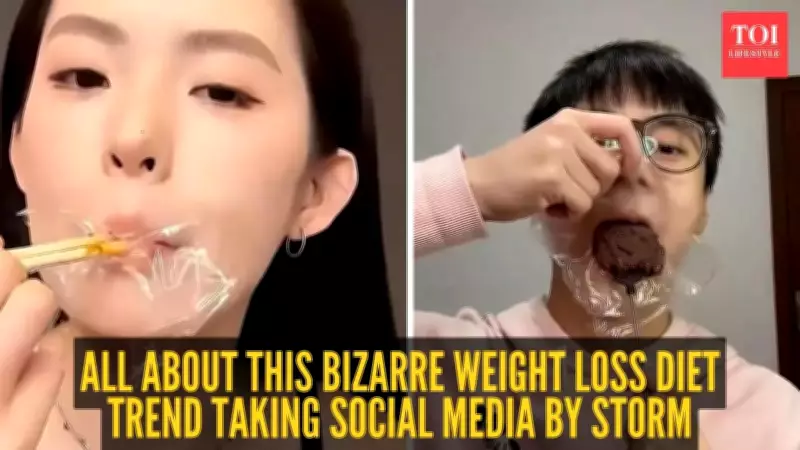
Despite its dramatic name, the concept behind this trend is quite straightforward. In this method, a person covers their mouth with plastic wrap, places food inside, chews it thoroughly, and then spits it out instead of swallowing. The belief is that chewing sends a signal to the brain of fullness, even though no food is actually ingested. Followers of this trend claim it helps control cravings and avoid calorie intake, aiming to feel satisfied without eating. However, there is no scientific evidence supporting this practice as a means of real or healthy weight loss.
Why Many People Are Concerned About Health Risks
While the trend focuses on avoiding calories, the use of plastic in this manner has raised significant health concerns. Tiny plastic particles, often referred to as microplastics, can enter the body during the process, potentially irritating the stomach and intestines. Some individuals may experience symptoms such as bloating, discomfort, or nausea. Additionally, there are fears about inhaling small plastic particles, which could lead to coughing or other respiratory issues.

Plastics can contain harmful chemicals like BPA, which may disrupt hormone balance and metabolism. Long-term exposure to such substances might increase inflammation in vital organs such as the liver and lungs. The human body is not designed to handle plastic materials in this way, making the practice inherently dangerous.
The Mental Health Angle of the Trend
Beyond physical health, this trend may negatively impact how people perceive food and their bodies. Chewing and spitting food can create an unhealthy pattern, increasing stress around eating and body image. A constant focus on weight and calories can disturb daily life and mental peace, potentially raising the risk of developing eating disorders like bulimia. What begins as a viral idea could slowly evolve into a serious and harmful habit.
Does It Really Help with Weight Loss?
There is no proof that chewing food and discarding it leads to lasting weight loss. In fact, skipping proper meals can intensify hunger later, often resulting in overeating. Quick fixes like this may appear attractive online, but they do not replace balanced nutrition. Healthy weight management is not about extreme shortcuts; it relies on steady habits, including a nutritious diet and regular exercise.
The Bigger Picture: Viral Appeal vs. Long-Term Consequences
What makes the plastic-eating trend so viral is its bizarre and extreme nature. In a world where unusual content can rack up views overnight, it is easy to get drawn in. However, such tricks may grab attention momentarily but do nothing for long-term health and could even cause lasting harm. True wellness stems from balanced meals, consistent habits, and listening to the body's needs. While viral appeal might fade quickly, the consequences of risky practices can endure much longer.
Disclaimer: This is a social media trend, and we strongly advise against trying it. This article is in no way promoting this trend and does not endorse or take responsibility for any dangerous consequences that may arise from attempting it.






