

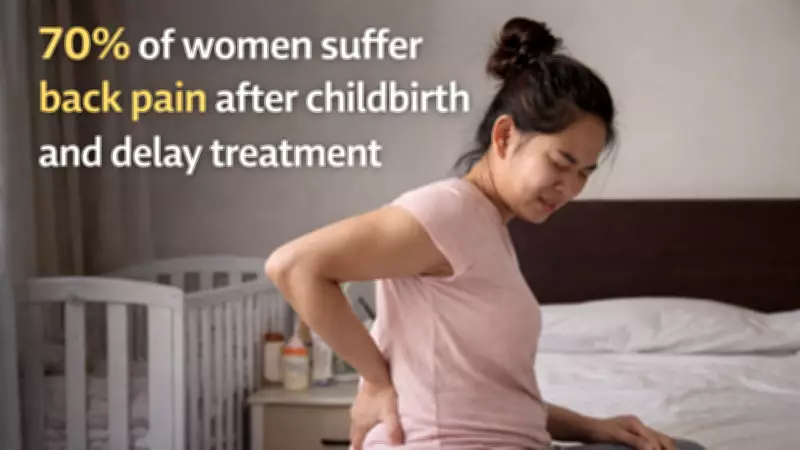
The Silent Epidemic: Post-Pregnancy Back Pain Affecting Majority of Women
Back pain following pregnancy has emerged as a widespread yet frequently ignored health concern among new mothers. What many dismiss as a normal part of postpartum recovery can escalate into severe chronic spine conditions, significantly impacting mobility and overall quality of life. Medical experts emphasize that proactive spinal care is crucial for women during this vulnerable period.
Why Pregnancy Takes a Toll on the Spine
Dr. Mohit Muttha, Spine Surgeon at Apollo Spectra Hospital in Pune, explains the physiological changes that strain the spine during and after pregnancy. "During pregnancy, a woman's body undergoes significant transformations that place substantial pressure on the spinal structure," he states. Weight gain, alterations in posture, and weakening of core muscles collectively disrupt the body's natural balance, leading to pronounced strain on the lower back region.
Hormonal fluctuations play a particularly critical role. The body releases relaxin, a hormone that loosens ligaments and joints to facilitate childbirth. While this process is biologically necessary, it can create instability in both the spine and pelvis, resulting in persistent pain and discomfort. Post-delivery, this vulnerability is often exacerbated by poor breastfeeding posture, incorrect baby-lifting techniques, insufficient rest, and inadequate physical recovery periods.

Alarming Statistics and Symptoms
Dr. Muttha reveals concerning data: "Approximately 70% of women experience back pain after pregnancy. Monthly, we see 7 out of 10 women aged 25-37 presenting with symptoms including lower back pain, muscle stiffness, difficulty bending or lifting, and discomfort during prolonged sitting or standing."
These symptoms, if neglected, can progress to debilitating conditions such as excruciating chronic pain or even slipped discs. Such complications can severely impair a woman's ability to care for her child and perform routine daily activities.
Expert Recommendations for Prevention and Management
Dr. Muttha advises several preventive measures:
- Maintain proper posture while feeding or holding the baby
- Avoid sudden bending movements
- Follow correct lifting techniques
- Engage in gentle postnatal exercises as recommended by healthcare professionals
- Utilize supportive chairs and cushions consistently when sitting
- Prioritize adequate rest and avoid overexertion
- Seek medical assistance if pain persists beyond a few weeks
Additional Medical Perspective
Dr. Ritu Agarwal, Gynecologist at Zynova Shalby Hospital in Mumbai, corroborates these concerns while providing slightly different statistics. "Approximately 50% of women experience back pain after pregnancy," she notes. "Monthly, nearly 5 out of 10 women aged 25-37 visit with complaints including ongoing back discomfort, reduced flexibility, lower back fatigue, and difficulty managing daily movements like sitting, standing, or lifting."
Dr. Agarwal identifies key contributing factors: spinal stress from weight gain, postural changes, hormonal fluctuations, improper lifting techniques, and insufficient core strength. However, she offers an optimistic outlook: "Early intervention combined with simple lifestyle modifications can yield significant benefits. Maintaining good posture, staying adequately hydrated, employing proper bending techniques, and following guided exercises can facilitate recovery. With appropriate approaches, most women can recuperate effectively and resume normal routines without long-term complications."
The Critical Need for Awareness and Early Action
The consensus among medical professionals is clear: post-pregnancy back pain represents a substantial health issue that demands greater attention. The combination of physiological changes during pregnancy and postpartum caregiving challenges creates a perfect storm for spinal problems. What begins as manageable discomfort can rapidly evolve into chronic conditions that affect women's health for years.

Both experts stress that normalization of postpartum pain is dangerous. Instead, women should view back discomfort as a signal requiring proper assessment and care. The window for effective intervention is often limited, making timely action essential for preventing long-term damage.
As awareness grows, healthcare providers hope more women will prioritize spinal health during the postpartum period, recognizing that proper recovery extends beyond immediate postnatal care to include sustained attention to musculoskeletal well-being.





