

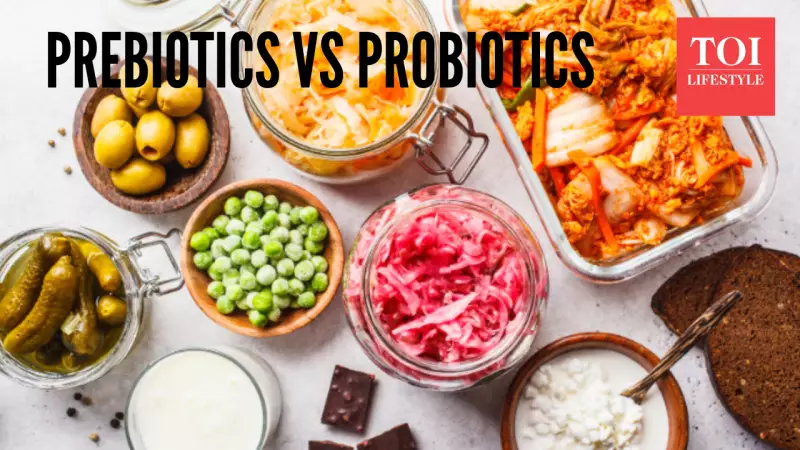
In the world of wellness and nutrition, the terms probiotics and prebiotics are frequently mentioned, often interchangeably. However, these are two distinct components crucial for maintaining a healthy gut, each playing a unique role. While both are essential for digestive health and overall well-being, confusing them means missing out on how to effectively support your body's microbiome. Let's break down their differences, benefits, and the important question of whether you actually need supplements.
What Are Probiotics and Prebiotics?
Probiotics are live, beneficial bacteria and yeasts that you introduce directly into your system. Think of them as adding new, good seeds to the soil of your gut. These living microorganisms, consisting of specific bacterial strains, provide documented health benefits. They are naturally found in fermented foods like yogurt, kefir, sauerkraut, kimchi, and miso. Once consumed, these bacteria travel to your gut and help balance the complex community of trillions of microbes, known as the gut microbiome.
Prebiotics, on the other hand, are not living organisms. They are a special type of indigestible dietary fiber that act as food or fertilizer for the beneficial bacteria already residing in your digestive system. Your body doesn't break them down in the small intestine; instead, they pass to the colon where gut bacteria ferment them into helpful compounds like short-chain fatty acids. Foods rich in prebiotics include garlic, onions, bananas, oats, and apples.

Key Benefits and Differences Explained
The core difference lies in their function: probiotics add new bacteria, while prebiotics nourish the existing ones. This synergy is so powerful that their combination is called synbiotics, which can offer enhanced therapeutic benefits.
Benefits of Probiotics: Research highlights several key advantages. Probiotics can protect against antibiotic-associated diarrhea with about a 60% success rate. They are also known to help manage symptoms of Irritable Bowel Syndrome (IBS), such as bloating and abdominal pain. Furthermore, they support the immune system, potentially reducing the risk of upper respiratory infections, and may aid children suffering from eczema.
Benefits of Prebiotics: By fueling good bacteria like bifidobacteria and lactobacilli, prebiotics help these populations grow and protect the gut from harmful pathogens. Their benefits extend beyond digestion; they are linked to improved mood, better memory function, and reduced inflammation in the body. They support a diverse microbiome, which is associated with lower obesity risk and stronger immunity. Prebiotics from food can also promote heart health by helping to lower cholesterol levels.
When Supplements Might Be Unnecessary
A critical point often overlooked is that not everyone needs to take supplements. For generally healthy individuals, a diverse and balanced diet is usually sufficient. Eating a variety of fruits, vegetables, whole grains, and fermented foods can provide all the necessary probiotics and prebiotics naturally. Experts advocate for a "food-first" approach, as whole foods offer a broader range of nutrients and fibers.
Supplements are most beneficial in specific situations, such as when someone is taking antibiotics, dealing with a diagnosed condition like IBS, or has a particular health issue. For healthy people, there is no strong scientific evidence that probiotic or prebiotic supplements provide significant extra benefits. In fact, overconsumption can sometimes lead to side effects like bloating. For immunocompromised individuals, there's a small risk of infection from probiotic bacteria.
It's also important to note that not all supplements are effective. The bacterial content may be insufficient, and many strains may not survive the harsh journey through stomach acid to colonize the gut effectively.

Choosing the Right Supplement If Needed
If you and your doctor decide a supplement is right for you, choose wisely. Look for probiotics with 1 to 10 billion CFUs (colony-forming units), strains that require refrigeration, and products that have undergone third-party testing. Research specific strains for your goal; for example, Lactobacillus rhamnosus GG (LGG) is well-studied for diarrhea. For prebiotics like inulin, start with a small dose, especially if your diet is low in fiber. Always consult a doctor before giving supplements to children, pregnant individuals, or if you have an underlying illness.
Remember, supplements are meant to complement a healthy diet, not replace it. As research in this field continues to grow, the consensus remains that obtaining these nutrients from whole foods is the most advantageous path to good gut health.





