

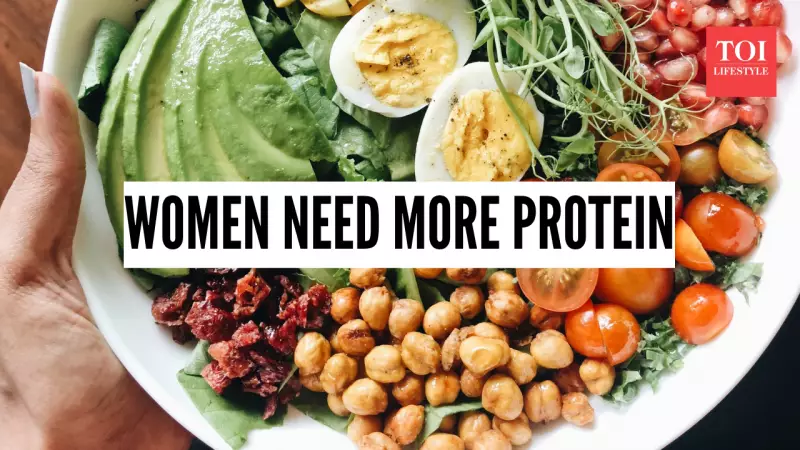
For women, the importance of dietary protein extends far beyond the gym and muscle building. It serves as a fundamental pillar for sustaining long-term health, vitality, and resilience against the natural ageing process. Adequate protein intake is critical for maintaining muscle tissue, supporting skeletal strength, and ensuring robust metabolic function. This need becomes even more pronounced as women navigate significant life stages such as perimenopause and post-menopause, where hormonal shifts can accelerate the loss of lean mass and bone density.
How Much Protein Do Women Actually Need?
The commonly cited Recommended Dietary Allowance (RDA) for protein is set at 0.8 grams per kilogram of body weight per day. However, experts clarify that this figure represents the minimum required to prevent deficiency, not the optimal amount for promoting peak health, preserving muscle, and fortifying bones. For many women, especially as they age, this baseline is insufficient.
Specific groups have substantially higher requirements. According to guidelines from institutions like the Mayo Clinic, older and post-menopausal women are advised to consume between 1.0 to 1.2 grams of protein per kilogram of body weight daily. Similarly, women who engage in regular physical exercise or structured strength training can benefit significantly from an intake ranging from 1.2 to as much as 2.0 grams per kilogram each day. Pregnant and breastfeeding women also fall into the category requiring higher, well-distributed protein.

The Proven Benefits of Higher Protein Intake
Scientific research provides compelling evidence for increasing protein consumption. A longitudinal study focusing on older women, published in the journal MDPI, yielded insightful results. It found that participants who consumed more than or around 1.2 grams of protein per kilogram per day demonstrated markedly better health outcomes compared to those with lower intake.
These women possessed greater lean muscle mass, exhibited stronger muscle strength, and had a lower body fat percentage. The same study further correlated higher protein intake with superior performance in key functional tests, including grip strength relative to body mass, knee extension strength, and overall balance. This body of evidence strongly suggests that even a modest, consistent increase in dietary protein can deliver significant protective benefits, helping to mitigate risks associated with ageing, inactivity, and hormonal changes.
Practical Strategies to Boost Your Daily Protein
Knowing the "why" and "how much" is only half the battle. Implementing sustainable strategies is key to consistently meeting daily protein targets. Here are several effective approaches:
Spread Protein Evenly Across Meals: Instead of loading up at dinner, aim to include 20–30 grams of high-quality protein in each main meal. This even distribution optimizes muscle protein synthesis throughout the day and is more effective for preserving lean mass.
Incorporate Protein-Rich Snacks: Smart snacking can bridge the gap. Excellent options include Greek yogurt, cottage cheese (paneer), boiled eggs, roasted chickpeas, or a quick protein smoothie.
Combine Plant and Animal Sources: To ensure you get all essential amino acids, mix your protein sources. Pair dal with rice, add paneer to vegetables, or include nuts and seeds in your meals.
Use Simple Protein Boosters: Easily enhance the protein content of existing meals. Sprinkle a mix of chia seeds, hemp seeds, or pumpkin seeds over salads, dals, curd, or blend them into smoothies.
By prioritizing protein and adopting these simple, consistent dietary habits, women can powerfully support their muscle, bone, and metabolic health, building a foundation for strength and wellness at every stage of life.






