

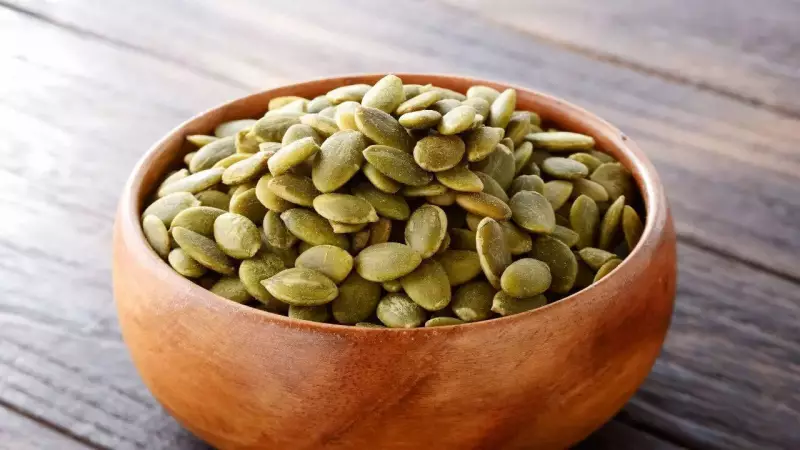
For countless individuals in India and worldwide, the days leading up to menstruation bring a familiar wave of discomfort. Symptoms like persistent cramps, nagging headaches, mood swings, and fatigue can significantly disrupt daily life. In the search for natural, accessible ways to find relief, a humble kitchen staple is gaining remarkable attention: the pumpkin seed.
The Science Behind Seeds and Hormonal Balance
Growing interest in nutritional strategies for reproductive health has put pumpkin seeds in the spotlight. Their appeal lies not just in their easy availability across Indian markets but in a nutrient profile that aligns with the body's needs during the menstrual cycle. A systematic review published in the journal Cureus explored seed cycling—a dietary pattern involving specific seeds. It found that seeds rich in essential fatty acids and micronutrients, like pumpkin seeds, may contribute to hormonal modulation and symptom changes.
While research is still evolving, the nutritional composition of pumpkin seeds offers a compelling, food-based approach to managing premenstrual syndrome (PMS). They represent a simple addition to meals, requiring no drastic lifestyle changes, which resonates deeply with those seeking manageable solutions.

Targeting Common PMS Troubles: What Pumpkin Seeds May Help With
Pumpkin seeds are discussed for PMS because they address some of the most frequently reported symptoms. Their contained compounds are being studied for potential influence on pain, inflammation, and mood stability.
The seeds may offer support for:
- Period Cramps: The aching or sharp discomfort from uterine muscle contractions.
- Premenstrual Headaches: Often triggered by hormonal shifts and inflammatory pathways.
- Mood Fluctuations: Including irritability, tension, and emotional sensitivity in the luteal phase.
- Fatigue and Low Energy: Paired with reduced concentration before menstruation begins.
- Bloating and Water Retention: Contributing to a sense of heaviness.
- Sleep Disruption: Caused by changing neurotransmitter activity premenstrually.
Key Nutrients in Pumpkin Seeds That Make a Difference
The potential benefits stem from a powerful blend of nutrients crucial for hormonal regulation and physical comfort.
Magnesium aids muscle relaxation, potentially easing the intensity of uterine cramps. Zinc plays a vital role in hormone metabolism and neurotransmitter stability, impacting both physical and mood-related symptoms. The omega-6 and omega-9 fatty acids in the seeds support the body's anti-inflammatory processes, which can help ease headaches and general discomfort.
Furthermore, tryptophan supports serotonin production for mood stability, while iron helps combat fatigue, especially important for those with low iron stores. The antioxidants in pumpkin seeds help minimize oxidative stress that can worsen with hormonal fluctuations.
How and When to Incorporate Pumpkin Seeds for Maximum Benefit
Consistency is key. While pumpkin seeds can be eaten daily, many find it helpful to increase intake during the luteal phase—the period between ovulation and menstruation—when PMS symptoms typically emerge.
They are incredibly versatile for Indian diets:
- Eat them raw or lightly roasted to preserve nutrients.
- Sprinkle on dahi, porridge, or poha for breakfast.
- Blend into smoothies or chutneys.
- Add to salads, sabzis, or rice dishes for crunch.
- Mix into homemade energy bars or laddoos.
Disclaimer: This information is for educational purposes only and is not a substitute for professional medical advice. Always consult a qualified healthcare provider for diagnosis and treatment.






