

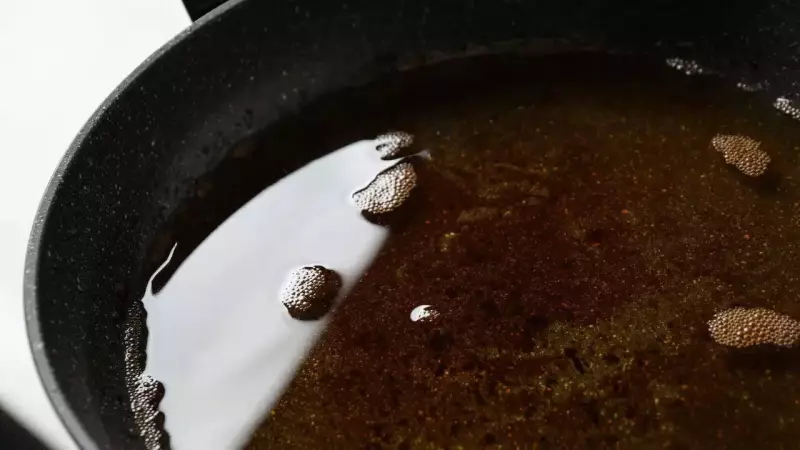
In countless Indian kitchens and street food stalls, the practice of reusing cooking oil is deeply ingrained. Driven by thriftiness and the notion that clear-looking oil is still good, many fry batch after batch in the same oil. However, this common habit silently undermines food safety, nutritional value, and long-term health. Scientific evidence now paints a concerning picture, linking repeatedly heated oil to serious health risks, including cancer.
The Silent Chemical Breakdown in Your Kadhai
What happens when oil is subjected to multiple rounds of high-heat frying? It undergoes a profound chemical transformation. Each heating cycle exposes the oil to oxygen, moisture, and leftover food particles, accelerating damaging reactions. The triglycerides that make up the oil break down into free fatty acids, depleting its nutritional quality. Protective antioxidants are destroyed, and the once healthy unsaturated fats become unstable.
Visually, the oil darkens, thickens, and starts to smoke at lower temperatures. At a molecular level, sticky polymeric compounds form, and the oil's smoke point plummets. Critically, these dangerous changes often occur before the oil looks or smells bad, meaning cooks are unknowingly using degraded oil. The result is food with altered texture and flavour, cooked in a medium that has lost its heart-healthy properties and may even promote the formation of trans fats.

Reheated Oil and the Elevated Cancer Risk
The most alarming consequence of this practice is its potential link to cancer. A significant study published in the journal Critical Reviews in Food Science and Nutrition details how reheating oil generates toxic compounds like reactive aldehydes, polymeric substances, and polycyclic aromatic hydrocarbons. These substances can damage cellular DNA, increase oxidative stress in the body, and trigger genotoxic and mutagenic effects—all pathways that can lead to cancer development over time.
Exposure isn't limited to eating. Inhaling the fumes from reheating oil in a poorly ventilated kitchen adds to the cumulative risk, affecting both the cook and others nearby. Epidemiological research suggests a correlation between the long-term, habitual consumption of foods fried in such oil and an increased risk of cancers, including those of the colon, breast, lung, and prostate. The danger is cumulative, making daily exposure far more hazardous than occasional use.
How to Fry Safely and Protect Your Health
Abandoning fried foods isn't necessary, but adopting smarter frying practices is crucial for risk mitigation. Awareness is the first step. Discard oil immediately if it shows signs of rapid smoking, a dark colour, or a burnt, unpleasant odour. Your choice of oil matters: opt for those with higher thermal stability like refined sunflower oil or rice bran oil for deep-frying sessions.
To minimise harm, maintain a moderate frying temperature instead of blasting the heat. Make it a rule to use oil only once for deep-frying. If you must reuse it, restrict it to a single subsequent use for lighter cooking like sautéing vegetables or making a curry. Always filter out food crumbs after cooling to slow further degradation, and never top up old oil with fresh oil, as this does not reverse the existing chemical damage. Finally, ensure your kitchen is well-ventilated to disperse harmful fumes.
The impact of degraded oil extends beyond the kadhai. Regular consumption can increase oxidative stress and inflammation, strain liver function as it processes oxidised fats, and worsen blood lipid profiles by raising LDL cholesterol and triglycerides. This contributes to a higher risk of cardiovascular disease and can even promote fat deposition in the liver.
By understanding the invisible dangers of reheated cooking oil and implementing these practical steps, you can continue to enjoy traditional fried foods while making a powerful investment in your and your family's long-term wellbeing.






