

In today's fast-paced world, digestive complaints like bloating, heaviness, acidity, and irregular bowel movements are becoming alarmingly common. The shift towards processed foods, hurried meals, and unrelenting stress has taken a toll on our gut health. Many seek solutions in expensive probiotic supplements, imported superfoods, or complex diet plans, often finding only temporary relief. However, a simple, time-tested answer might be found closer to home, in the traditional kitchens of Gujarat.
The Power of a Simple Trio: Rotla, Chaas, and Sabzi
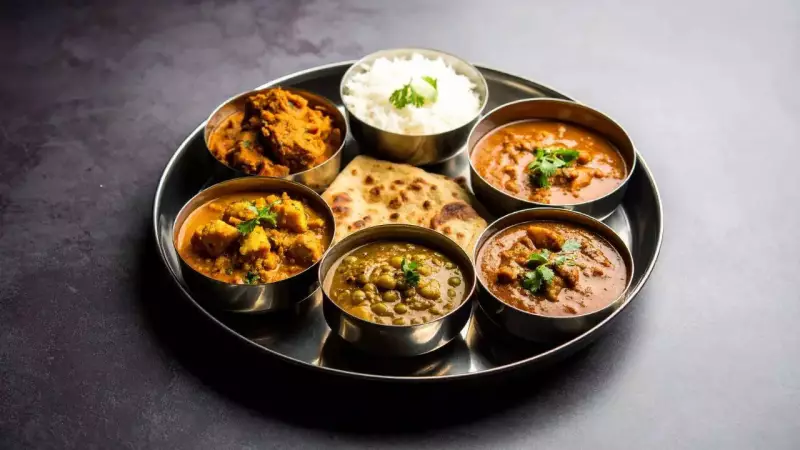
This age-old breakfast combination offers a holistic, natural approach to nurturing the gut microbiome and easing digestive discomfort. It moves away from global trends and returns to the wisdom of regional, whole-food cuisine. The meal consists of three core components, each playing a vital role.
Rotla is a flatbread typically made from millet flours like bajra (pearl millet) or jowar (sorghum). Unlike refined wheat, these whole grains are packed with both soluble and insoluble fibre. This fibre is crucial for adding bulk to stool, preventing constipation, and, most importantly, serving as food for the beneficial bacteria residing in our gut.

Chaas is a light, fermented buttermilk, a staple in Indian summers. This drink is a natural source of probiotics—live, friendly bacteria. When consumed, these microbes help colonise the gut, balancing its ecosystem, lowering acidity, and promoting smoother digestion after meals. It acts as a natural coolant and digestive aid.
Sabzi completes the trio, usually featuring seasonal vegetables or leafy greens like methi (fenugreek), spinach, or bottle gourd. These vegetables are rich in vitamins, minerals, and additional fibre. Leafy greens, in particular, provide prebiotics—special plant fibres that feed and stimulate the growth of good bacteria, enhancing microbial diversity and reducing gut inflammation.
Why This Combination Works Better Than Modern Breakfasts
While modern staples like oats and eggs have nutritional value, they often lack the synergistic diversity needed for optimal gut health. Many oat products are processed with additives, and eggs, though protein-rich, offer minimal fibre. Eating them alone does not create the balanced internal environment required for long-term digestive comfort.
In contrast, the Gujarati breakfast naturally blends three essential elements: dietary fibre from millets, natural probiotics from fermentation, and prebiotic-rich vegetables. This trio works in harmony. The fibre from Rotla feeds the gut bacteria, the probiotics from Chaas replenish them, and the Sabzi provides the nutrients to keep the entire system thriving. This leads to improved bowel regularity, reduced gas build-up, and a significant decrease in bloating and discomfort.
How to Bring This Tradition to Your Daily Routine
Incorporating this gut-friendly practice into a modern lifestyle is straightforward. Start by replacing packaged bread or regular wheat chapatis with bajra or jowar Rotla a few times a week. In the morning, opt for a glass of fresh, homemade Chaas instead of carbonated drinks, tea, or coffee on an empty stomach. Include a simple, lightly cooked vegetable dish using greens like methi or spinach to boost your fibre intake. The key is to keep the meal light, using minimal oil and spices.
Consistency is important. Trying this combination three to four times a week can lead to noticeable improvements in digestion and energy levels. The gradual energy release from the complex carbohydrates in millets helps stabilise blood sugar, preventing mid-morning fatigue.
This approach is particularly beneficial for individuals dealing with persistent bloating, slow digestion, mild acidity, or post-meal fatigue. It offers a natural path to building gut resilience without relying on supplements. Those with lactose intolerance can use diluted plant-based curd alternatives. As always, individuals with specific medical conditions should consult a healthcare professional before making significant dietary changes.

The journey to better gut health doesn't require expensive or exotic solutions. The traditional Gujarati breakfast of Rotla, Chaas, and Sabzi stands as a powerful testament to the wisdom of Indian culinary heritage, providing a balanced, nourishing, and sustainable start to the day for a happier, healthier gut.





