As the calendar turned to 2026, the focus on personal well-being has intensified, with many Indians setting new health resolutions. In this context, renowned celebrity nutritionist Rujuta Diwekar, famous for guiding the diets of Bollywood luminaries such as Kareena Kapoor, Saif Ali Khan, Varun Dhawan, and Alia Bhatt, has shared her authoritative predictions for the top three health movements of the year.
On January 4, 2026, Diwekar took to Instagram to outline her forecasts, expressing a hopeful vision. "Credible scientific research will continue to validate time-tested traditions and common sense. Wish you all a very happy, healthy and confusion-free 2026," she wrote in her post's caption. Her insights point towards a significant recalibration in mainstream health approaches.
The End of Excessive Protein Hype
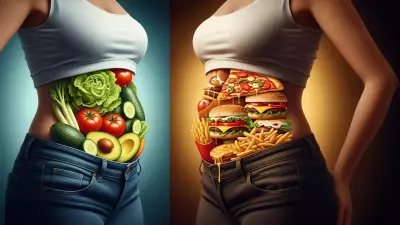
Diwekar's first major prediction is a welcome decline in the widespread obsession with protein supplementation. She asserts that while protein mania peaked recently, it will "go down in 2026 as evidence mounts of no benefit of consuming extra protein, except for sellers." This trend, she suggests, was driven more by marketing and social media influence than by solid nutritional science.
Supporting this view, celebrity dietician Simrat Kathuria explained that the protein craze became part of a 'clean-eating' cultural shift, where processed protein bars were often mistaken for health food. Diwekar and other experts advocate for a balanced approach, obtaining protein from diverse sources like lean meats, fish, lentils, beans, and quinoa rather than relying heavily on processed supplements.
A Sobering Trend: Reduced Alcohol Intake
The second trend highlighted by Diwekar is a continued decrease in alcohol consumption, a pattern already observed in Western nations. She hopes that India and other developing countries will follow suit as awareness of alcohol's detrimental health impacts becomes mainstream.
Medical experts like Dr. Jayanta Thakuria, Director of Internal Medicine at Yatharth Super Speciality Hospitals, Faridabad, detail the risks. Alcohol can irritate the gut, disrupt sleep, interact dangerously with medications, and harm the cardiovascular system. Its high calorie content, especially when paired with snacks, contributes to weight gain. Binge drinking is particularly hazardous, potentially leading to acute liver disease and other severe complications.
The Unabated Rise of Weight-Loss Medications
In contrast to the first two trends, Diwekar predicts that the use of pharmaceutical weight-loss drugs will continue to grow strongly in 2026, as the market is "far from peaking." However, she cautions that early adopters may begin to discontinue use due to adverse effects, notably the loss of muscle mass.
Dr. Yogesh Shah, Consultant in Internal Medicine at Kokilaben Dhirubhai Ambani Hospital, Indore, notes that drugs like Semaglutide (Wegovy, Ozempic) and Liraglutide can cause side effects including nausea, vomiting, diarrhea, constipation, and abdominal discomfort. He strongly emphasises that these medications must only be used under strict medical supervision, as they can significantly affect blood sugar levels, particularly in diabetic patients.
Rujuta Diwekar's 2026 health forecast paints a picture of a society moving towards more evidence-based and traditionally grounded wellness practices, while cautiously navigating the potent appeal of quick pharmaceutical fixes. Her call for a "confusion-free" year resonates as a guiding principle for making informed health choices.