

Why Sanskrit Mantras Create More Powerful Affirmations Than English Statements
Affirmations transform from simple positive statements into genuinely powerful tools when they begin altering how the brain interprets experiences. In modern psychology, certain affirmations specifically target and interrupt negative thinking patterns, while ancient spiritual traditions have long utilized mantras that operate through rhythm, repetition, and profound meaning.
The Superior Power of Sanskrit Over English
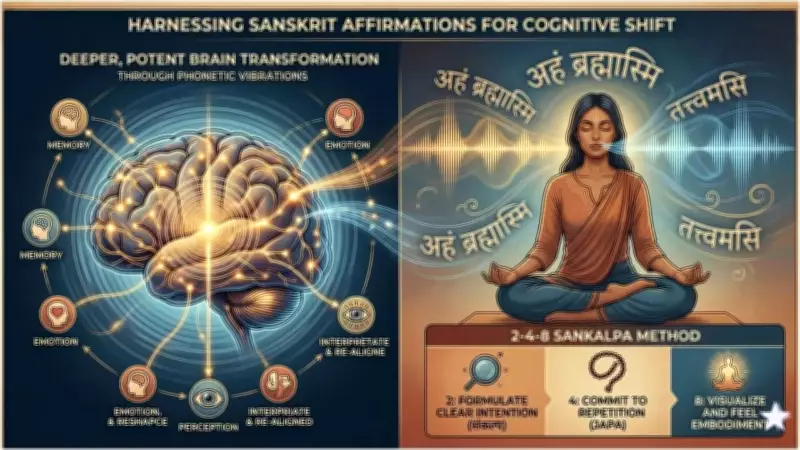
Sanskrit mantras should be prioritized over English affirmations because Sanskrit functions beyond mere linguistic meaning—it operates through sound vibration. As a highly phonetic language, every syllable in Sanskrit carries specific vibrational energy. When you repeat a Sanskrit mantra, you are not merely thinking the words intellectually; you are physically feeling them resonate within your body. This creates an entirely different dimension of depth for affirmations.
Reduced Mental Resistance: English affirmations frequently trigger subconscious doubt and questioning. When someone repeats "I am successful" in English, the mind often responds with "Am I really?" Sanskrit bypasses this internal argument because it is not your everyday conversational language. The mind relaxes instead of resisting, allowing the affirmation to penetrate more deeply and effectively.

Enhanced Focus and Mindfulness: Since most people do not speak Sanskrit casually, practitioners naturally slow down and pay closer attention during repetition. This transforms the practice from a mechanical routine into a mindful, present-moment experience, increasing its effectiveness significantly.
Rooted in Sankalp Intention: Sanskrit is fundamentally connected to Sankalp—a profound sense of intention and commitment. Traditionally used for sacred mantras, Sanskrit carries the energetic weight of purposeful dedication rather than just positive statements. This makes your affirmations feel more powerful and meaningful, elevating them beyond simple repetitive phrases.
Five Powerful Sanskrit Affirmations for Daily Practice
These Sanskrit mantras are simple yet profoundly effective. Even without complete understanding of their literal meaning, their repetitive sound patterns can calm the nervous system and create positive shifts in consciousness.
1. So Hum
Meaning: "I am that" or "I am part of universal consciousness."
Usage: Typically repeated with breathing exercises. Breathe in while mentally saying "So" and breathe out while saying "Hum." This practice creates deep calm and fosters feelings of unity with existence.
2. Om Shanti Shanti Shanti
Meaning: Peace in mind, peace in body, peace in the world.
Significance: The triple repetition symbolizes peace at three levels: within the individual, within the immediate environment, and throughout the entire universe. This mantra is particularly effective for calming emotional turbulence and anxiety.
3. Lokah Samastah Sukhino Bhavantu
Meaning: May all beings everywhere be happy and free.
Effect: This affirmation shifts focus from personal worries to universal compassion and interconnectedness, which paradoxically reduces individual stress while expanding consciousness.
4. Aham Brahmasmi
Meaning: "I am the universe" or "The divine exists within me."
Origin: Derived from ancient philosophical texts, this mantra encourages profound self-awareness and cultivates inner strength by recognizing the divine essence within.
5. Tat Tvam Asi
Meaning: "You are that."
Purpose: This reminder that the same consciousness exists in all beings helps dissolve feelings of separation, isolation, and loneliness, fostering unity consciousness.
The 2-4-8 Sankalp Method for Maximum Effectiveness
This structured approach works through three progressive stages: clarity, reinforcement, and embodiment.

Step 1: 2 Times (Morning – Sankalp / Intention)
Immediately after waking, write your chosen affirmation twice slowly and deliberately. Focus completely on the meaning and vibration rather than speed. This establishes your mental and energetic direction for the entire day ahead.
Step 2: 4 Times (Afternoon – Alignment)
Around midday, repeat your affirmation four times aloud or in writing. This anchors the thought precisely when your mind is most likely to be distracted by daily activities, creating alignment between intention and action.
Step 3: 8 Times (Night – Imprinting)
Before sleep, write or chant your affirmation eight times. During this stage, your subconscious mind becomes most receptive to programming, allowing for deep imprinting that creates lasting change at fundamental levels of consciousness.
This comprehensive exploration of Sanskrit affirmations has been developed by Sharmila Cirvante, a natural-born psychic, certified spiritual healer, automatic writer, and spirit guide communicator with extensive experience in ancient spiritual practices.





