

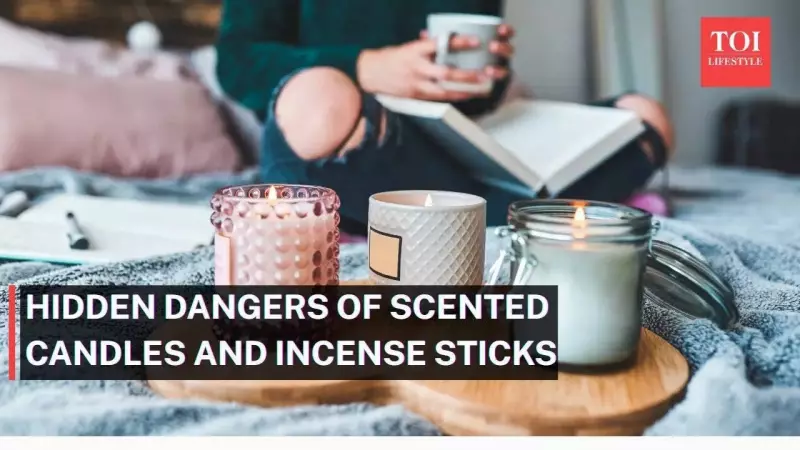
For many, the perfect end to a stressful day involves lighting a fragrant candle or a stick of soothing sandalwood agarbatti. This ritual, synonymous with relaxation and self-care, might secretly be undermining your health, warns a leading gastroenterologist.
The Hidden Toxins in Your Relaxation Ritual
Dr. Saurabh Sethi, a California-based doctor trained at Harvard and Stanford, took to Instagram to highlight a significant health concern. He cautioned that the very act of unwinding with a scented product could be harmful. "Love lighting up a fragrant candle or Agarbatti to unwind? Be cautious! Your favourite scented candles could be harming your lungs, leading to what’s termed ‘chemical pneumonia’," Dr. Sethi stated.
This warning sheds light on the dark side of a booming industry. The market for scented products in the United States alone is valued at a staggering $2 billion annually. While these products make homes smell delightful, they often come with a hidden health cost due to the cocktail of chemicals they contain.

Dr. Sethi explained the science behind the danger. As synthetic candles burn, they release harmful substances like alkenes, which are also found in car exhaust and can damage lung tissue. Furthermore, the fumes emit paraffins and phthalates, compounds known to potentially disrupt the body's hormonal balance.
What Research Says About Indoor Air Pollution
Multiple studies back these concerns. A 2017 study published in Building and Environment found that air fresheners and scented candles release volatile organic compounds (VOCs) when burned, irritating lungs and worsening indoor air quality.
More alarmingly, a 2023 study in the Annals of Medicine & Surgery reported that candles made from cheap paraffin wax—a petroleum byproduct—release large quantities of carcinogenic substances like formaldehyde, toluene, and benzopyrene. Exposure to these chemicals has been linked to a range of symptoms, including:
- Headaches and vertigo
- Respiratory issues and chest tightness
- Mucosal irritation, sneezing, and a stuffy nose
- Watery eyes and a dry, irritated throat
Even flame-free alternatives are not completely safe, as per a study in Environmental Science & Technology Letters, indicating that the quest for fragrance often compromises air purity.
Safer Alternatives for a Fragrant Home
Does this mean you must banish all pleasant aromas from your living space? Not necessarily. Dr. Sethi advocates for making smarter, healthier choices. The primary recommendation is to switch from paraffin-based candles to those made from natural waxes like beeswax or soy wax.
"Compared to petroleum-based paraffin wax, real wax made from natural sources... is often considered less toxic," he said. These natural options typically produce fewer emissions, leading to cleaner indoor air. However, he adds a crucial caveat: "Any burning material... can still produce some level of emissions, so proper ventilation is always recommended."
For those seeking the ultimate low-risk option, Dr. Sethi suggests using oil diffusers with natural essential oils. He notes that they "are a healthier alternative to burning candles or incense because they don’t produce smoke or soot," allowing you to enjoy fragrance without compromising your lung health.
Disclaimer: The information in this article is for educational purposes only and is not a substitute for professional medical advice. Always consult a qualified healthcare provider for any health concerns or before changing your wellness routine.






