

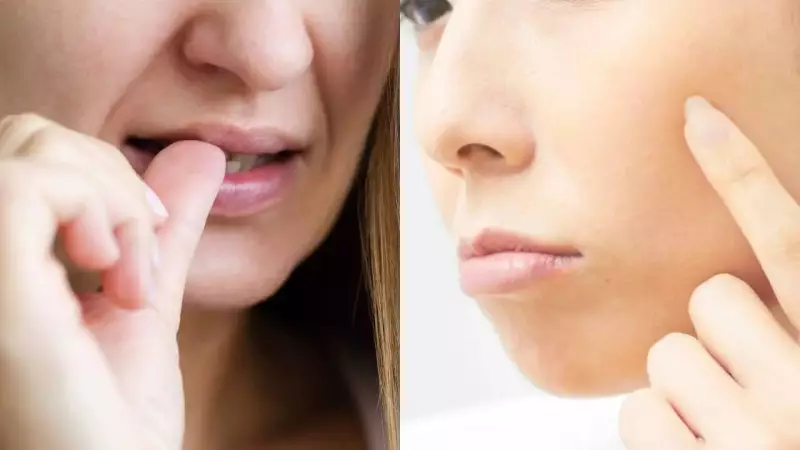
Have you ever caught yourself absentmindedly biting your nails, pulling at a strand of hair, or picking at your skin? If so, you are far from alone. These common actions form a bridge between your emotions, your sensory system, and your body's instinctive attempts to find momentary calm. For many, these behaviours surface during stress, boredom, or overstimulation, often without full awareness of how much they influence daily comfort and self-regulation.
The Hidden Triggers and Neurological Roots
These repetitive body-focused behaviours often start subtly, sometimes in childhood or during intense stress, evolving into familiar patterns. The body learns that a small action—like picking, biting, or pulling—offers a quick burst of relief. This teaches the brain to repeat the action whenever tension rises or mental engagement dips. Because the comfort is immediate, the brain files it away as a useful response, even if the effect is fleeting. Over time, the action becomes automatic, resurfacing during tasks requiring concentration or when the mind wanders.
Common manifestations include:

- Nail biting for quick grounding amid emotional pressure.
- Hair pulling (Trichotillomania) beginning with one strand and becoming an unconscious cycle.
- Skin picking (Dermatillomania) triggered by small textures or imperfections.
- Lip or cheek chewing for momentary release during boredom.
- Actions that occur during work, studying, scrolling on phones, or watching TV.
Why the Urge Feels Overpowering
Scientific research is uncovering why these habits are so hard to break. A detailed review published in Focus links them to factors like heightened sensory processing, increased motor tension, and dopamine-driven reward loops. These factors reinforce the urge because the behaviour provides swift, though temporary, relief.
On the Mel Robbins podcast, renowned psychiatrist Dr. Tracey Marks explained that these behaviours often intensify when emotional demands spike or when the brain seeks stimulation during mental drift. This aligns with studies showing body-focused repetitive behaviours are triggered by lowered awareness or the brain's attempt to regulate discomfort using instant sensory feedback. This also explains why individuals with attention-related conditions like ADHD may engage in them more frequently—the actions provide a steady sensory input that keeps the brain alert during low engagement, eventually cementing the habit.
Key drivers include:
- Sensory sensitivity making textures or bumps feel intensely distracting.
- A strong neurological reward response when discomfort is briefly reduced.
- Automatic movements triggered during focused tasks or wandering attention.
- Higher frequency in people who rely on sensory input to stay alert.
- Emotional triggers like fatigue, stress, or overstimulation.
Practical Strategies to Reduce and Manage
While these patterns can feel entrenched, structured approaches can help reduce them. Habit reversal therapy is often effective, as it increases awareness of early cues and teaches individuals to replace the behaviour with a harmless, purposeful action that meets the same sensory or emotional need. This shifts focus from self-criticism to skill-building.
Daily lifestyle choices also play a crucial role, as physical health and emotional balance affect urge frequency. Small, consistent changes can gradually weaken the learned patterns.
Actionable steps to break the cycle:

- Increase awareness of the earliest physical or emotional signals.
- Use competing responses like hand squeezes or fidget toys.
- Wear physical barriers (e.g., gloves, bandaids) during high-risk idle times.
- Avoid magnifying mirrors or harsh lighting that exaggerate imperfections.
- Improve sleep, nutrition, and physical activity to lower baseline anxiety.
- Practice grounding techniques or slow breathing during emotional spikes.
- Seek therapeutic guidance if the behaviour causes distress, skin damage, or daily disruption.
Disclaimer: This article is for general informational purposes only and is not a substitute for professional medical advice, diagnosis, or treatment. Always seek the guidance of a qualified healthcare provider for any medical condition or lifestyle change.





