

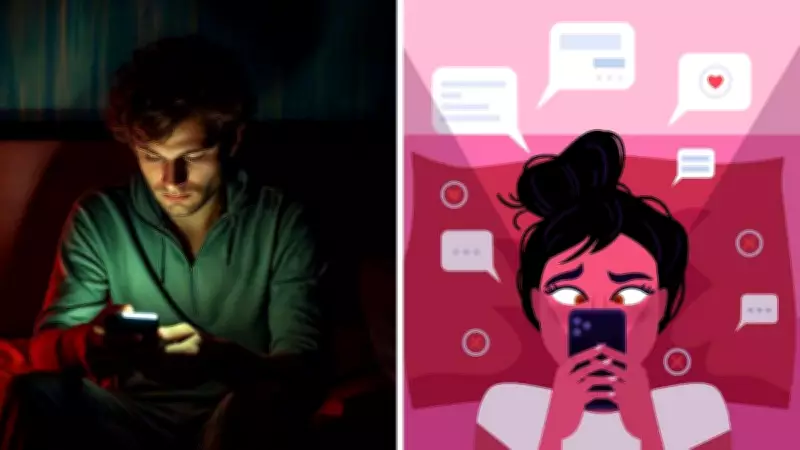
Scrolling at 2 AM: It Might Not Be Insomnia
Many people find themselves scrolling through social media or watching videos at 2 AM, often blaming insomnia. However, health experts now suggest that this behavior may not be a sleep disorder but a sign of an overactive nervous system. According to recent insights, the urge to stay awake and engage with digital content can be linked to how our nervous system responds to stress and stimulation.
The Role of the Nervous System
The human nervous system is designed to regulate sleep-wake cycles through the autonomic nervous system, which includes the sympathetic and parasympathetic branches. The sympathetic nervous system is responsible for the 'fight or flight' response, keeping us alert during stress. When this system is overactive, it can lead to difficulty winding down at night, causing what feels like insomnia but is actually a hyperarousal state.
Dr. Ananya Sharma, a neurologist at Apollo Hospitals, explains, 'Many patients come in saying they have insomnia, but after evaluation, we find their nervous system is stuck in a high-alert mode. This is often due to daytime stress, excessive screen time, or irregular sleep schedules.'

Signs of a Hyperactive Nervous System
- Feeling tired but unable to sleep
- Racing thoughts at bedtime
- Increased heart rate or anxiety when lying down
- Frequent nighttime awakenings
How to Calm Your Nervous System
Experts recommend several strategies to help calm the nervous system and promote better sleep:
- Limit screen time before bed: Blue light from devices can suppress melatonin production and keep the brain alert.
- Practice relaxation techniques: Deep breathing, meditation, or progressive muscle relaxation can activate the parasympathetic nervous system.
- Establish a consistent sleep routine: Going to bed and waking up at the same time helps regulate the body's internal clock.
- Reduce caffeine and alcohol intake: Both can disrupt sleep patterns and increase nervous system activity.
When to Seek Help
If late-night scrolling persists and affects daily functioning, it may be worth consulting a healthcare professional. A sleep specialist can help differentiate between true insomnia and nervous system dysregulation, offering tailored treatments such as cognitive behavioral therapy or lifestyle modifications.
Understanding the underlying cause of your sleep difficulties is the first step toward better rest. So next time you find yourself scrolling at 2 AM, remember: it might not be insomnia, but your nervous system trying to tell you something.






