

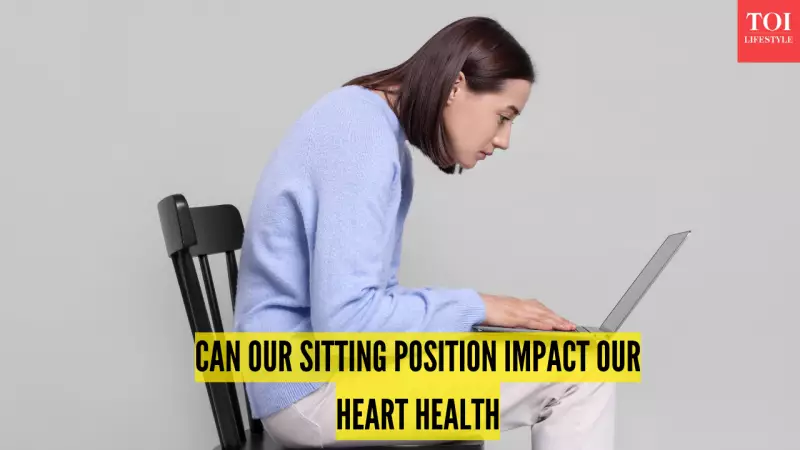
You might not think how you sit at your desk is a matter of heart health, but emerging research reveals a startling connection. Over years, your daily sitting posture and habits quietly influence blood pressure, circulation, and inflammation levels, shaping your cardiovascular future. A truly heart-healthy posture is not merely about looking poised; it's a deliberate setup that aids smoother blood flow, calms the nervous system, and mitigates the damage from our increasingly sedentary lifestyles.
The Cardiovascular Cost of Prolonged Sitting
Why is sitting for long stretches so taxing on your heart? The mechanics are clear. When you remain seated for extended periods, blood begins to pool in your legs. The calf muscles, which normally act as a pump to help return blood to the heart, become inactive. This leads to a direct increase in blood pressure. Evidence from a randomized trial involving healthy young men showed that just one hour of continuous sitting elevated their diastolic blood pressure and mean arterial pressure, even though they were physically fit.
Large-scale observational studies reinforce these findings. Individuals who sit for many hours each day face a significantly higher risk of developing heart disease, heart failure, and experiencing early death. Crucially, this risk persists even if they engage in regular exercise at other times of the day. A compelling 2024 analysis presented through major cardiology societies delivered a stark warning: people who spent more than approximately 10 to 11 hours a day being sedentary had a roughly 40 to 60 per cent higher risk of cardiovascular events compared to those who sat less. This held true even when both groups met standard exercise guidelines.

The Blueprint for a Heart-Friendly Sitting Position
So, what is the optimal way to sit for your heart and blood vessels? Experts point to a simple, supported posture that promotes openness and ease.
Back Supported, Spine Elongated: Sit with your back fully resting against the chair, pelvis slightly tucked back. Imagine a gentle string lengthening your spine from the crown of your head. This neutral alignment keeps the chest open, allowing lungs to expand fully without overworking the breathing muscles. This, in turn, helps keep the sympathetic nervous system's "fight or flight" response in check.
Feet Flat, Legs Uncrossed: Place both feet flat on the floor or on a footrest, ensuring your knees are at or slightly below hip level. While crossing legs might feel comfortable, it can temporarily raise blood pressure and hinder venous return from the legs. Clinical blood pressure studies confirm that the lowest and most stable readings are recorded when subjects sit with back support and their legs uncrossed.
Shoulders Relaxed, Head Balanced: Consciously let your shoulders drop away from your ears. Position your head so your ears are roughly aligned over your shoulders, not jutting forward toward your computer screen. A forward head posture and rounded upper back cause neck and shoulder muscles to tense, which can chronically activate the sympathetic nervous system, leading to slight increases in heart rate and blood pressure.
Elbows Close, Wrists Neutral: Adjust your workstation so your elbows stay close to your body at about a 90-degree angle and your wrists remain in a straight, neutral position while typing or using a mouse.
Movement Breaks: The Non-Negotiable Companion to Good Posture
Even the most impeccable sitting posture cannot completely undo the harms of very long, uninterrupted sitting. The real "secret sauce" for heart protection is regular movement. Research demonstrates that simply standing up and walking for a few minutes every 30 to 60 minutes can dramatically improve blood flow and blunt the blood pressure rise associated with prolonged sitting.

These short "movement snacks" also help regulate blood sugar and prevent leg veins from becoming sluggish—both critical factors for long-term heart health. Practical ways to incorporate this include setting an hourly timer to stand and stretch, walking during phone calls, or performing one-minute exercises like calf raises, ankle circles, or marching in place beside your desk. These small, consistent disruptions to sedentary time are often more achievable than investing in expensive ergonomic furniture and are equally, if not more, beneficial for your cardiovascular system.
The Heart-Healthy Desk Strategy: A Summary
In essence, the best sitting posture for a healthier heart is upright, fully supported, and relaxed—with feet flat, legs uncrossed, and shoulders soft. However, the golden rule is to never remain completely still in this position for too long. Combining this mindful posture with regular standing and walking breaks creates a powerful duo. This approach helps maintain steadier blood pressure, promotes efficient circulation, and supports a calmer nervous system throughout the workday. Over months and years, these quiet, conscious choices at your desk can accumulate into a meaningful difference in how well your heart ages, proving that cardiovascular care truly is in the details of daily life.





