

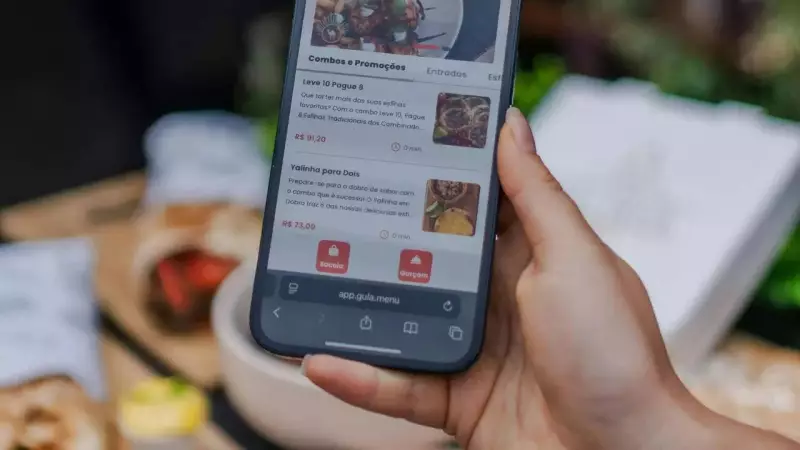
How many times a day do you pick up your phone? For countless Indians, smartphones are a constant companion for work, chats, and entertainment. But this daily habit might be leaving a subtle mark on your body, specifically on your little finger. A growing number of users are reporting a peculiar indentation or discomfort in their fifth finger, a phenomenon popularly dubbed 'smartphone pinky'.
As our devices get bigger and our screen time climbs, the way we hold our phones often forces our hands into unnatural positions. The little finger frequently ends up bearing the brunt of the device's weight, creating a makeshift shelf. Over hours of scrolling, typing, and watching videos, this seemingly minor strain can accumulate, leading to potential issues for your fingers, joints, and tendons.
Why Most Indians Are Unaware of 'Smartphone Pinky'
A recent study published in the journal Cureus sheds light on this modern-day ailment. The research surveyed adults with varied digital habits and found a significant awareness gap. Despite long hours of one-handed phone use, only a small minority were familiar with the term 'smartphone pinky'.

The study revealed a common pattern: users often cradle their phone with the little finger at the bottom, supporting the weight, while the thumb does all the navigating. This posture transfers significant stress to the soft tissues, joints, and muscles of the smallest finger. With mobiles being central to our lives, this lack of awareness means many might ignore early warning signs until they affect daily comfort or dexterity.
Recognising the Signs and Long-Term Risks
While 'smartphone pinky' is not a formal medical diagnosis, the physical strain is very real. The constant pressure can affect tendons, nerves, and the alignment of the finger's small joints. Early symptoms often creep in gradually and may include:
- A noticeable temporary dent or groove on the upper side of the little finger.
- Tingling or mild numbness along the outer edge of the hand.
- Aching or stiffness in the finger joints after long phone sessions.
- Reduced comfort when moving the little finger or a sense of fatigue in the palm.
For most, these symptoms are temporary. However, the study suggests that without changing habits, repeated strain could lead to longer-lasting problems. Those with very high screen time or existing hand sensitivities may be more vulnerable. Potential long-term risks include tendon irritation, altered finger alignment, reduced fine motor skills from nerve compression, and persistent soreness impacting daily tasks.
Simple Steps to Prevent and Relieve the Strain
The solution isn't to abandon your phone but to change how you interact with it. Prevention is straightforward and highly effective. Experts and the study suggest several easy adjustments:
First, try to use both hands to hold your device whenever possible. This simple act distributes the weight evenly across your palms, taking the load off your pinky. Make a conscious effort to switch hands periodically during long browsing or video-watching sessions.
Adjust your grip by holding the phone higher along its sides, avoiding the temptation to let it rest on the curved ledge of your little finger. For extended viewing, consider using a phone stand or prop to eliminate the need for gripping altogether.
Incorporate short breaks during heavy use to let your tendons relax. Gentle stretches for your fingers and wrists can also help maintain flexibility and reduce stiffness. Ultimately, becoming mindful of your hand posture is the most powerful tool to stop 'smartphone pinky' from developing into a more serious issue.






